Rapture

Ten bucks for most packages, five if it is small, twenty for the big ones. Shopping advice? Free.

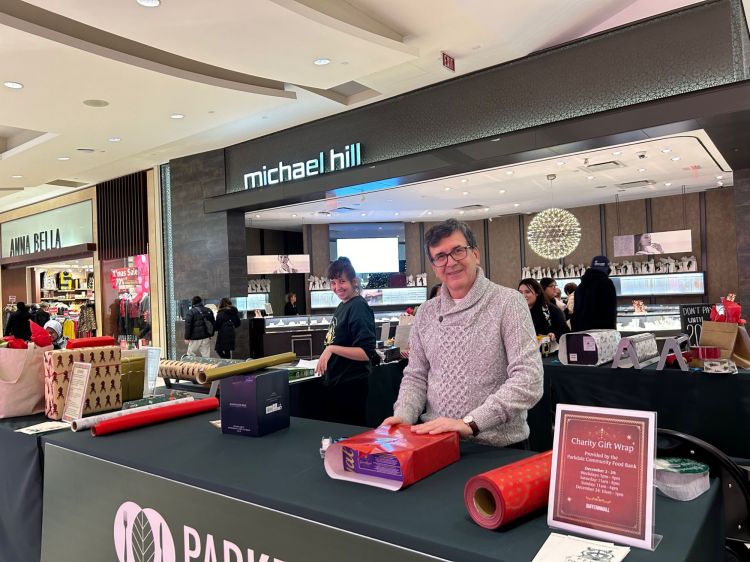
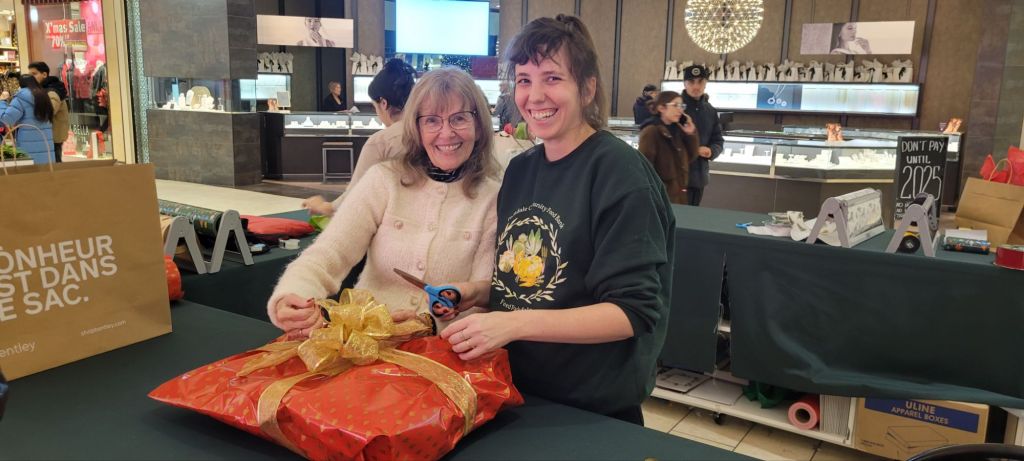
Olena, Olga and I were back again gift wrapping for the food bank. Last year was so nice, we decided to do it twice – Saturday and Monday evening, 4:00 to 9:00 pm. Still a week from Christmas, the traffic was slower providing more time for conversations.

“I am staying with our host family and I want to get them something for Christmas but I don’t know what.”
“Let me help. Come with me, I’ll show you some things you could buy.”
Olga escorted the man with a four year old boy in one hand while the other navigated a stroller holding an eighteen month girl to the adjacent Walmart. They returned twenty minutes later, two boxes of Ferraro chocolate ready for wrapping, the third package opened so the children could indulge.
“We are from Eritrea. We have been here three months. Thank you so much for help.”

Eritrea, Cuba, Ghana, Mexico. Those are the original countries of people who shared their background. Sarah, the Food Bank staff, immigrated from Syria with her family when she was eight years old; Ping, another volunteer, is a relatively recent arrival from China; Olga’s parents were refugees from Ukraine, mine moved to Canada from the Netherlands. The broken English, the conversations, the questions throughout both evenings indicated other parts of the world were passing by. If you want a taste of Toronto, shop at the Dufferin Mall. Everyone speaks English, but English is hardly spoken.

“I tell my kids, you don’t know how good you have it. I just came back and I was thinking, my God, what a beautiful place, how clean it is, how lucky we have it. I have been helped alot and I am always looking for ways to give back.”

People were also able to donate non-perishable goods at the booth. One man bought numerous packages of pasta and macaroni meals.
“When I first came, I was dishwashing and needed to use the local food bank. Now I am with a tech firm and doing well. It’s important to give back.”
He stopped again later asking how he could volunteer.

This year Olga purchased spools of special ribbon to create colourful bows for some of the larger gifts as an added treat. She taught Olena and Ping as well so they were able to provide that extra touch to the wrapping. “Wow, that bow is fantastic. I have more shopping later this week and I’m gonna come back.”
The man’s eyes were wide open as he watched the care put into the gift for his daughter.
“I have to warn you, the bows are my Mom’s special. Today is her last shift.”

A number of people donated cash, not wanting anything in return, or they topped up the payment for the wrapping.
“I am getting married in two weeks. Last year I bought her an engagement ring and had it wrapped here. My fiancé is Russian so I put the package in those dolls, you know, the ones that stack.”
His gift this year involved a ten dollar wrap; he bumped the payment up to 50.

“What can I get my husband? He is so picky.”
“What about a pair of warm pajamas?”
“No, he has lots and he’s not wearing them. I was thinking about those Italian cakes, how do you say, Pan…pane…ttone?”
“You have to emphasize the “e” at the end, like an Italian and raise your hand when you say it. PanetonnEH. They are delicious and last a long time. It can be expensive, but worth it.”
The woman returned later to show off her prized possession, an inexpensive pair of men’s pajamas. “Guess how much I paid for them.” She did not get it wrapped. She only wanted the conversation.

“I am so glad you guys are here. Last year you wrapped a sweater for my daughter who I hadn’t seen in three years. And it fit. You don’t know how special it feels to give someone a gift.”

“Fifty dollars for everything. Is that okay?”
“Sure, sure. It’s for charity. This is for charity?”
“Yes. Every dollar goes to support the Parkdale Food Bank.”

A Wink and a Smile

I always sit or stand in the back. From this position I have a bird’s eye view, a vantage point to scope out all of the people who have gathered. Olga, on the other hand, moves directly to the front, close to the action, to whatever the affair entails.

Olga occupied the first table at the front of our second year Political Theory class at King’s College in the fall of 1980, although I did not know her name in the beginning. All I can recall was a beautiful woman who attended dutifully each week, snappily dressed, with long blond hair past her shoulders. Seated in the last row, I remember my head turning quickly when she strode past the lectern one morning with it dramatically clipped. I was entranced.

I still did not know Olga’s name until she approached me one day, several weeks into the term, asking for my notes from last week’s Stratification course on the main campus. Would I mind? I had not realized we were in that class together, both of us lost in the 150 seat auditorium. Apparently I was the only other student from King’s enrolled and she needed to catch up on a missed lecture. Olga had noticed me; I began looking for her.

Let’s give them Something to Talk About

Follow You, Follow Me. There she was in the cafeteria where I preferred completing my school work. On occasion I caught a glimpse of this Pretty Woman sauntering across the campus, laughing with others. Every Tuesday we would be queuing at the bus stop, waiting to board the shuttle. The bus was crowded on a particularly busy day, so I stood near the rear doors. Olga sat several seats ahead with numerous people in between when our eyes met. Olga gave me A Wink and a Smile. I was hooked.

We began meeting over coffee between classes, comparing ideas, sharing thoughts. In good weather, we strolled back to King’s College exchanging observations about the lecture, talking about the material. I kept looking for opportunities to further our conversations in order to spend more time together. I was enchanted.

I finished the Stratification exam early, last one of the fall semester, and decided to hang outside the main entrance, hoping for one more encounter before the Christmas break when Olga would head back to Toronto. I waited, and waited, watching whenever the door opened, heart sinking when it was not her. Olga did not emerge. She must have left through a different exit.  Suddenly January never felt so distant, So Far Away.

At Christmas I received an unexpected gift from Ron: a pair of tickets to accompany him on a double date to the preview of  The Browning at London’s Grand Theatre. The note in the card had the usual season’s greetings, ending with “and you need to bring a girl”. I knew who to ask.

For the next month my mind was pre-occupied imagining the scenario in which I would approach Olga for that first date, planning for the most opportune time, rehearsing my words. In the cafeteria after class, over coffee? Two weeks before? One week? Would she Take a Chance on Me? What do I say if she says no?  The moment arrived as we were traversing between buildings in early February, on an unseasonably warm morning. Olga said yes. Thank you.   

The details of the evening remain a little foggy. I cannot recall the manner in which every one arrived, the story line of the play, the conversation afterwards at Sorrenti’s restaurant across the street. I do remember Olga was fashionably dressed in a classy outfit. By the time the four of us departed in my muscle car (1975 Duster with a 318 engine, four barrel carburetor, medium rise manifold, rear air shocks, dual thrush mufflers) a small winter storm had dumped a foot of snow making the roads difficult to navigate. The vehicle plowed into the snowbank in the driveway of the Huron College residence, Ron and his date got out, but the wheels could only spin in place, not going anywhere in my attempt to leave. I had no other choice except to ask Olga to slide over behind the steering while while I tromped to the rear and pushed. Give ‘er some gas. Stop. Try again. The car finally broke free. Out of breath, sweating and disheveled, I climbed back into the driver’s seat, feet soaked, slush splattered all over my pant legs. The remainder of the ride was quiet. I was afraid my opportunity for a second date had just disappeared.

We did have another, and then another and then some more. Olga and I went to movies, dinner, bars, concerts, and beaches, the standard fair of young couples. We took turns making dinner every week prior to our evening classes; we stayed up very late writing a letter to the editor about standardized testing; we participated in a Marxist study group with fellow students and professors; we sang in the church choir every Saturday evening. And we talked.

We engaged in all manners of conversation every time we were together. I remember one long walk from London’s downtown core to Olga’s apartment, arm in arm, on a cold, magical, winter night In the Wee Small Hours of the Morning. We shared our fears, our thoughts, our wants, our desires, our hopes, our dreams. Fully. Completely. I was in love. We were in love.
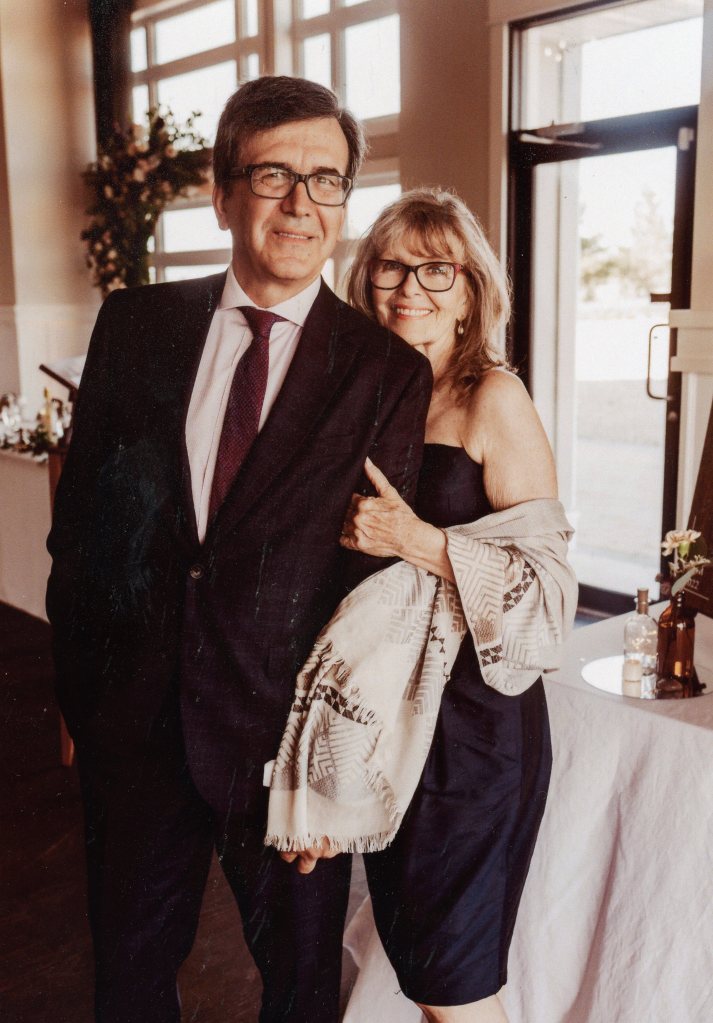
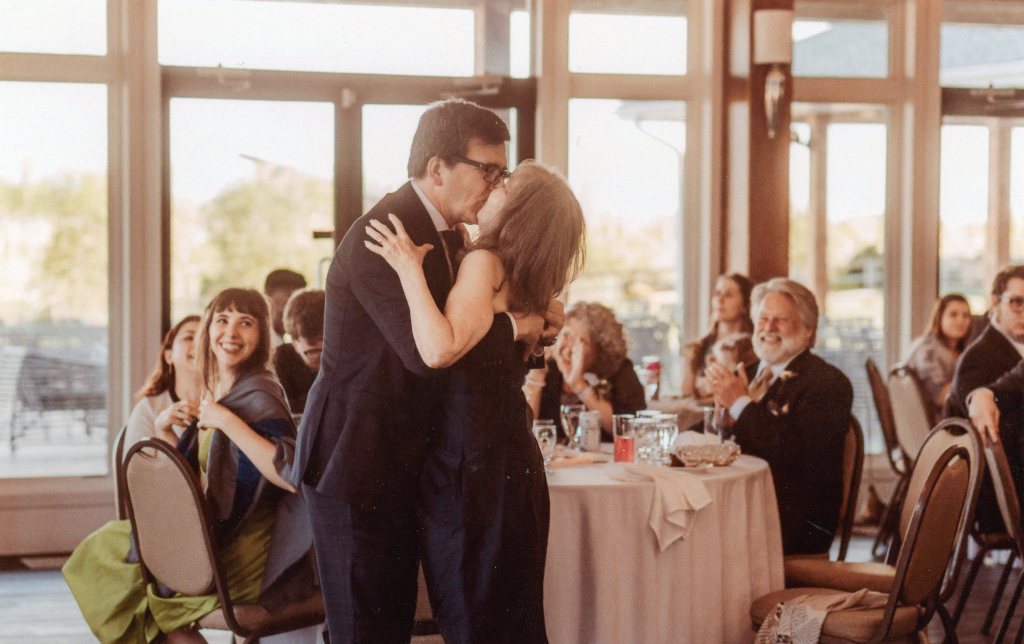
Four decades later, our fondest moments are those spent together, alone or with the kids, at home or travelling, on the couch or on the dock, in the theatre or on the dance floor, conversing about yesterday, today and tomorrow. We are still in love, ageless and ever Evergreen.

Every Little Thing She Does Is Magic

I cherish this day and every day because, Olga, you are The Best Thing That Ever Happened to Me. You Are the Sunshine of My Life.

Happy 40th anniversary.

Love always,

I hope you don’t mind,
I hope you don’t mind that I put down in words,
How wonderful life is while your in the world

Your Song

Black, White and Blood Red

“Daddy, why are they screaming?”

Olga and I were dumbfounded, one of those questions from the mouths of children which leave you grasping for an answer.

We were driving through the city, the four of us in the Nissan King Cab pickup truck, Olena and Nicholas snug in the back, Olga in the front passenger seat, me driving stick. The speakers were blasting out the tunes from the built-in cassette deck, the Bo Dean’s latest, Black and White, recommended by Don Berns at CFNY. It was the fourth album released by the band from Milwaukee in 1991, a change in direction from their earlier work. We loved it, played it repeatedly and played it loud which is probably what prompted four year old Olena to stick her head through the bucket seats, turn upwards and ask her now famous question. We laugh about the moment, recalling the story regularly.

With the advent of compact discs, we purchased a copy of Black and White and numerous other albums by the Bo Deans, all of which get airplay at home, in the car, and at the cottage. Just yesterday, I popped it into our CD player. The music, the lyrics and Olena’s question struck an all too familiar chord.

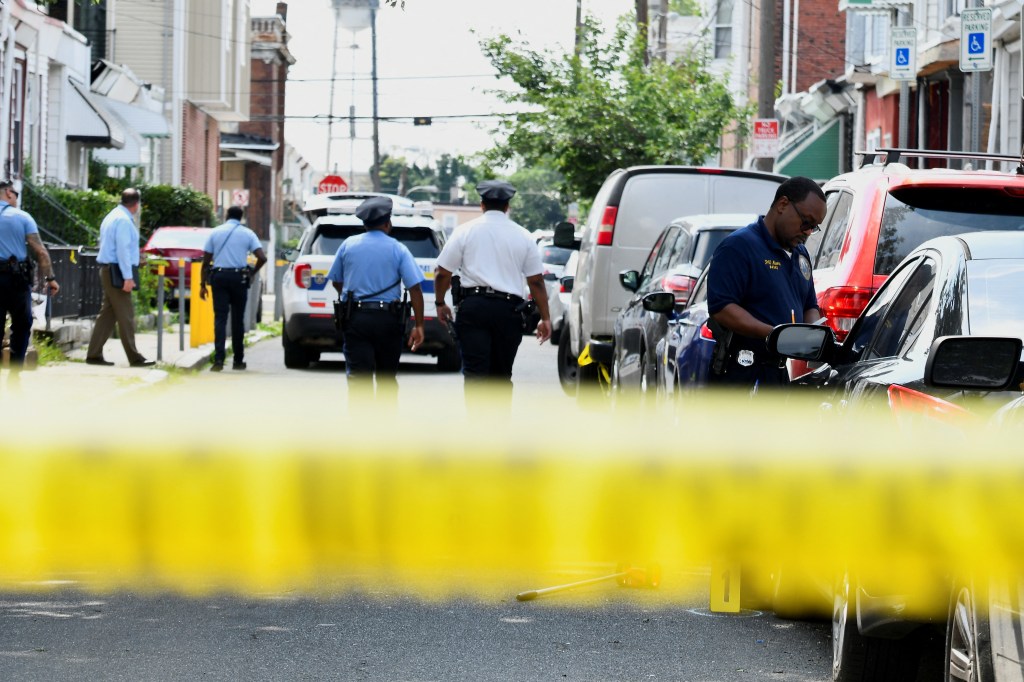
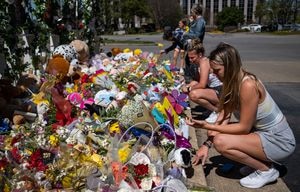
The US marked another July 4 long weekend with a rash of mass killings. Even the news agencies couldn’t agree on the number. “Fourth of July overshadowed by 16 mass shootings”; “At least 17 mass shootings mark Fourth of July holiday”; “22 mass shootings in 17 states over July 4 holiday weekend”. And this: “While there were 18 mass shootings over the weekend—from Friday to Tuesday—there were fewer shootings on July 4 than in the past few years” in part because the holiday landed on a Tuesday, midweek, which statistically is a day with the lowest numbers.

Bullets rang and he lost his life
It was a bloody day here in paradise.
Paradise
It ain’t hard to find
Lookin’ out your window at the world outside
Paradise
It ain’t far away
Here in my head it’s just another day
Here in paradise.

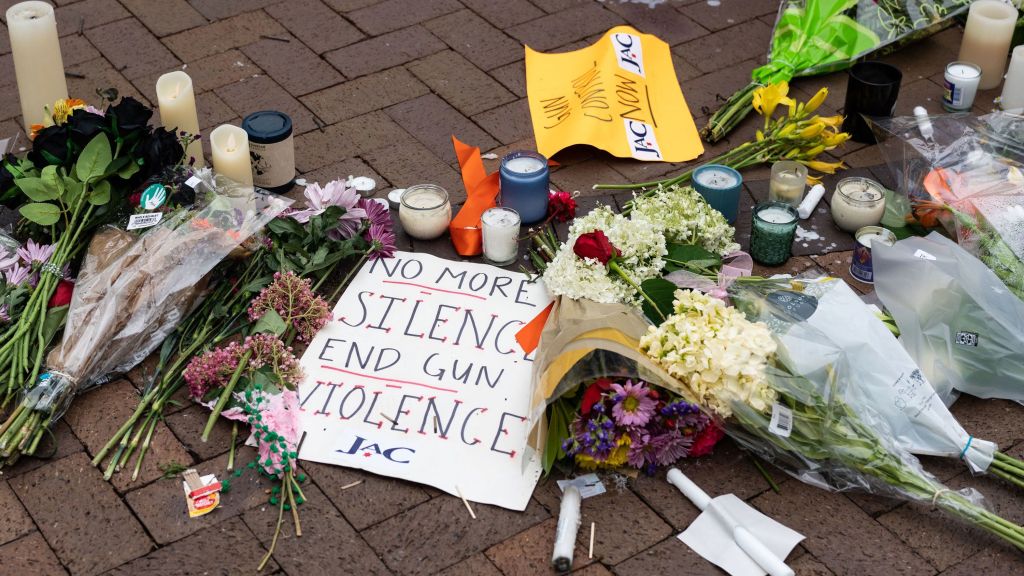
The United States shrugs its shoulders while the rest of the world shudders in disbelief. Tears will flow, justice will be demanded, voices will rise begging for the killing to stop. There will be another call for greater gun control. Stop the violence. Save our families. Save our children.

Don’t listen to the gun.
Tommy put away the knife
You’ve gotta give a damn ’bout another man’s life.
See it clear with your mind. Maybe make a change

Sing “People stand together”
‘Cause it’s a long hard day
And there’s strange weather laying up ahead.

A month later, after the funerals, after the headlines, after the politician speeches, it will all be forgotten and the cycle of insanity will continue.

So you ask, Olena, why are they screaming?
Because people continue to die;
Because owning a semi-automatic assault rifle capable of firing hundreds of rounds is every American citizen’s constitutional right;
Because no one can pry the guns from their cold, dead hands;
Because talking intelligently and rationale thinking is not working;
Because no one is listening.

Liberty, the right to die
When did we ever cross that line
That brought us here to this place
Delivered by the human race.

Black, White and Blood Red

Tom Sawyer

“Like it? Well, I don’t see why I oughtn’t to like it. Does a boy get a chance to whitewash a fence every day?”

The forecast is predicting a week of heat and sunshine, the first true taste of summer. Olga is at the cottage focusing on her yoga work. Books are calling to be read, the garden is beckoning for an audience, cold cans of beer are waiting to be emptied.

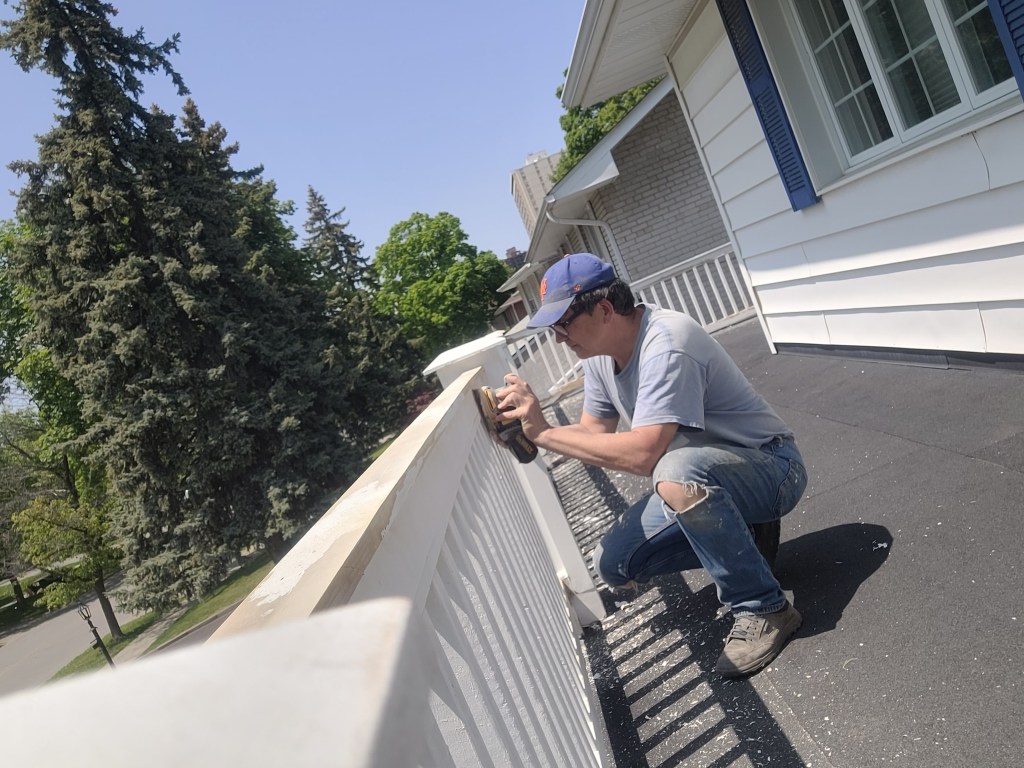
I notice, as well, the railings are showing signs of wear, dulled by the stark exposure to the sun, peeling from the onslaught of rain and snow. If the flaking is not addressed, the wood will fall into further disrepair, making the job more difficult.

Choices. Choices.

Damn. I need to paint the rails.

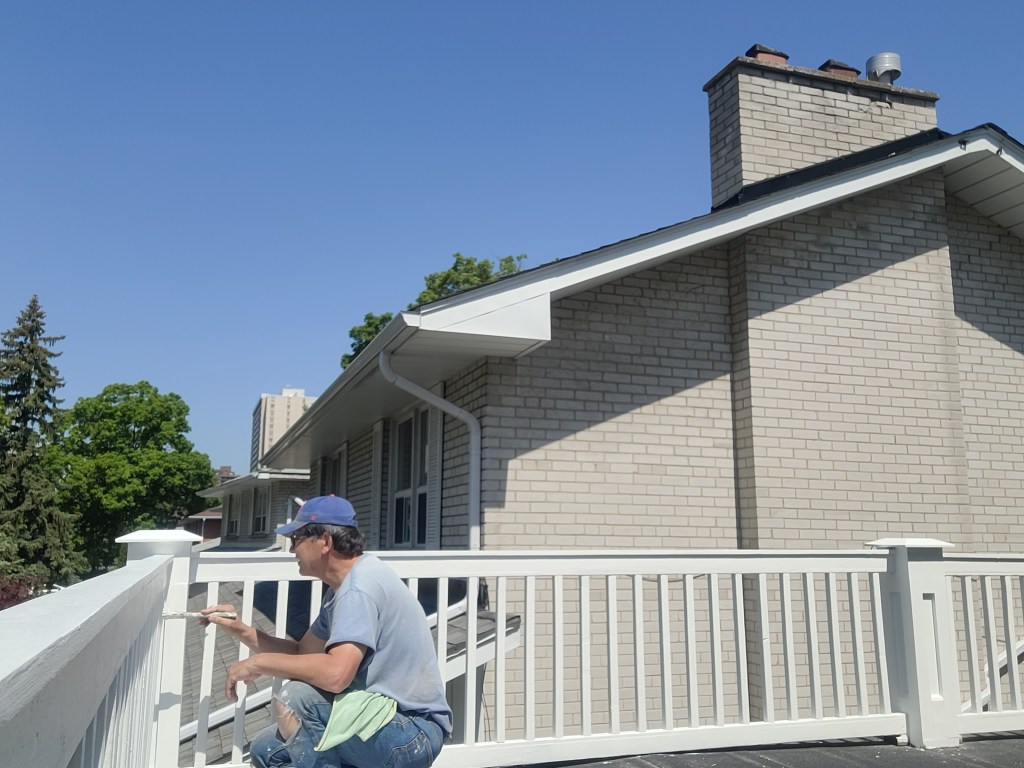
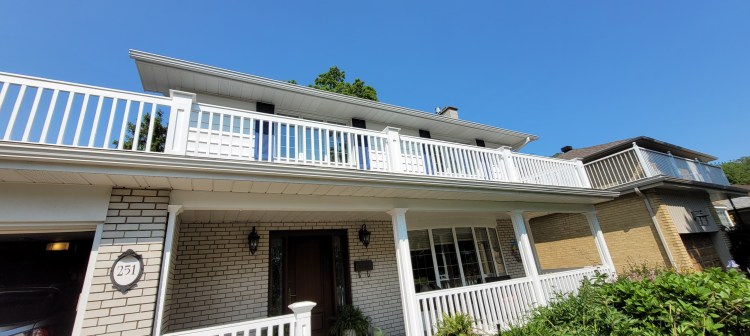
They are not the original when we bought the house more than 30 years ago. Those were replaced in the early nineties with a design Olga found in a housing magazine, the picture saved for the right opportunity when the flat roof needed repair. The new fixture became a signature feature of our home, creatively garnishing a typical suburban design to become a point of interest. “We are several houses south of the corner, the one with the white railings.”

They were rebuilt once, and over the span of its life, painted several times, each occasion looked on with equal foreboding. Two days of scraping, sanding and repairing; two days to apply primer and two coats, three in the most vulnerable areas.

Better get started before I lose this window of favorable weather.

126 feet in length, across the entire front and three quarters the perimeter of the garage. Eight posts with an indented exterior, topped with a cap. Spaced in between are 182 square spindles in total, 2 X 2 pieces held in place with 2 X 4s and a 1 X 3 ledge.

Where do I begin. Start at one end, scour for loose paint. Scrape and gouge and scrape. Bend over rail for the other side. Power up the cordless sander and methodically smooth the lines, rough up the remainder. One hour, one section. Move on to the next.

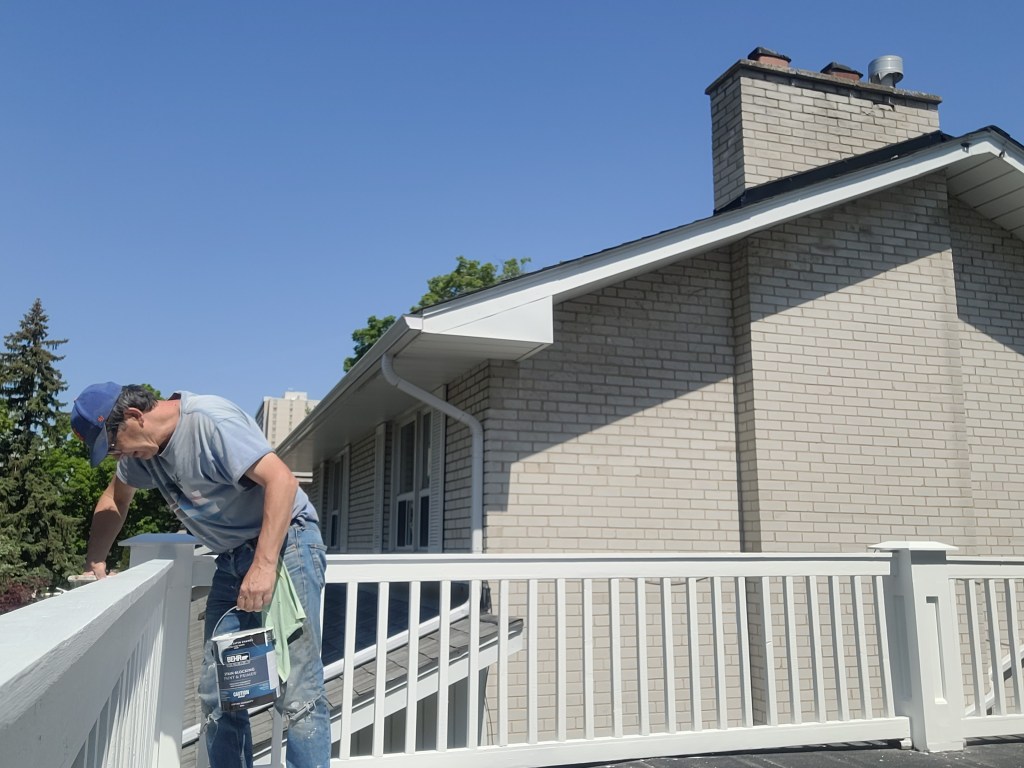
A handful of spots have started to rot and need repair so I am off to the hardware store for supplies, wood fill and paint. I expect two gallons will do the trick, or at least I would hope at this price. Day one complete. Dirty from the dust, worn out from the sun, I need a shower and that beer.

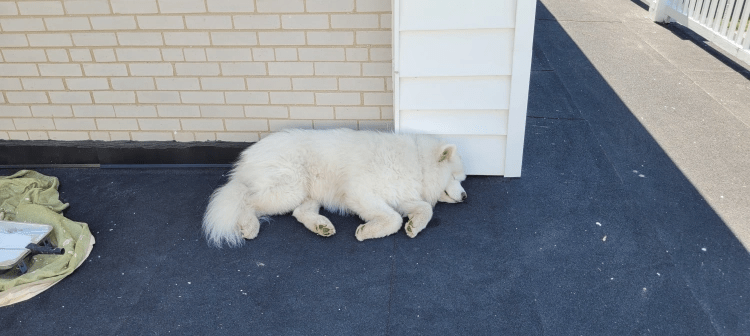
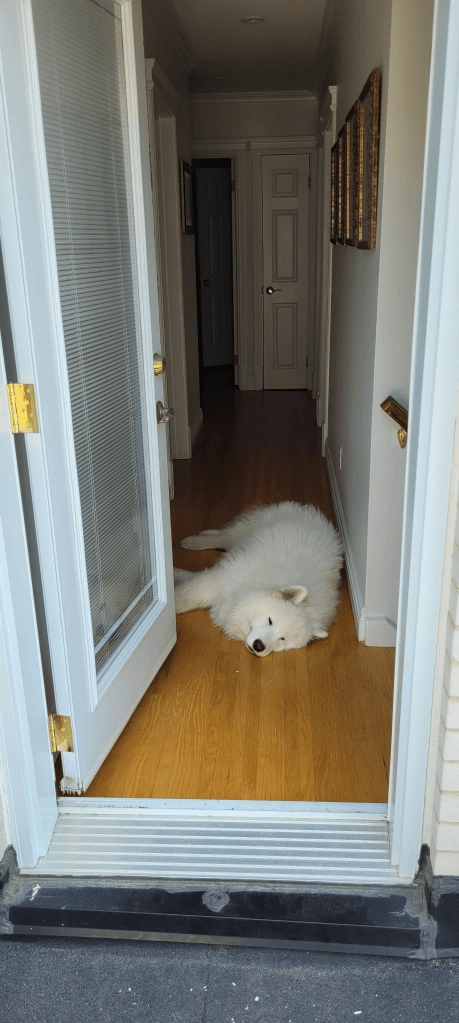
Odin joins me the next day, after his morning walk, deciding to hang around where there is shade until it becomes unbearable and moves indoors, still within earshot. I don’t have a choice. Patch up those damaged areas, layer the deeper crevices, paint over the bare spots. There are more than I had anticipated, making the decision to tackle the job even more prudent.

The job is mindless, lending itself to plenty of time for meandering thoughts. I remember a year when Olga and I hosted a Tom Sawyer rail painting party. Work friends were invited with the promise of unlimited supplies of beer and pizza, just bring along your own brush. I had completed the prep work in the evenings prior to the Saturday. T and P completed the ground level portion; D and J brought along their daughter and son-in-law who did a masterful job on the garage door; M and B climbed up and down the ladders and worked faster, not necessarily better, with every bottle and slice consumed. We had a lot of fun and laughs that day.

Day Three and the temperature has risen again, the sun relentless. The back of my neck burned, exposed from all the bending over yesterday. The paint needs constant stirring to avoid coagulation. Tedious repetition, up and down one side, inside and out, upside and underneath. Catch a drip, then onto to the next in the exact same pattern to ensure each side and corner and edge receives the necessary coverage.

The high school kids are walking back from McDonalds, in packs, loud and boisterous. None of them appear to take notice, at least when I stop to watch them momentarily. A couple with their dog stopped earlier to engage in some small talk, commenting on the beautiful work and the lovely garden and what a fine day. Our neighbour simply said hello after pulling into his driveway, before putting his head down and darting directly to his door. I was thinking about inviting him to help. Need to open another can. I am increasingly tired, the pauses are more frequent, longer with each stop. The job is almost complete.

Just the morning to finish up the project on Day Four. Paint cleanup, equipment back in storage. Stand back and admire the work. From the street, the rails glimmer again, putting a smile back on the house.

Beauty restored.

Like cutting the grass, or weeding the garden, or staining the chairs, I feel a sense of accomplishment, a source of pride in saying, “Yup, I did that. Doesn’t she look great”. I recall many an evening coming home from work, thinking, what the hell did I do today, what was achieved by writing those emails, answering those phone calls, reading those documents, chairing those meetings. I know exactly what occupied my time this past week although I must admit feeling more my age each time.

Tomorrow the lawn needs attention and then it is up to the cottage where the driveway needs weeding, the deck needs power washing and the dock needs fixing.

Three years into retirement and I am still figuring out this work-life balance.


Catch the mist, catch the myth
Catch the mystery, catch the drift

The world is the world is
Love and life are deep
Maybe as his skies are wide

The Morning After

The news arrived quietly, through the email, a brief note, a link for more details.

I was stunned, immediately reading the announcement out loud. “Generous in spirit; gave of himself tirelessly; believed that art had the power to change lives.” The obituary was dated two months earlier, not even an opportunity to attend a virtual gathering, too late again. It seemed sudden and yet I had no basis to know otherwise. There had been no contact for years, which happened instantly after another disclosure, even more shocking, spread stealthily, whispered.

I did not connect in the immediate aftermath, the toxicity too radioactive to touch, the image impossible to comprehend. We shared laughs and food, art and baseball. We dined at his house, spouses and friends, shared beers, shared stories. The two worlds did not align. The picture masked the underpainting. Many responded with recrimination. Mine was a state of disbelief discussed with those who would speak about it, purposeful avoidance with those who would not. And then he left.

His life here ruined, enough to escape without notice. Our connection was severed, no reason to let me know. Eventually I acquired his address with the intention to write. It didn’t happen. I didn’t know how. I was paralyzed. He was a victim and I couldn’t find the courage to find a way back.

Now he is gone.

And I am left with regret.

And sadness.

We have a chance to find the sunshine
Let’s keep on looking for the light

Rise Up

I have always looked forward to the celebration of Ukrainian Easter.

It is the most important date in the liturgical calendar, marked with symbolic traditions, set apart in timing and practices from the Roman Catholic church. And with the scythe of war looming over every conversation and each gathering a poignant reminder, these moments of community buttress the struggles of the Ukrainian people.

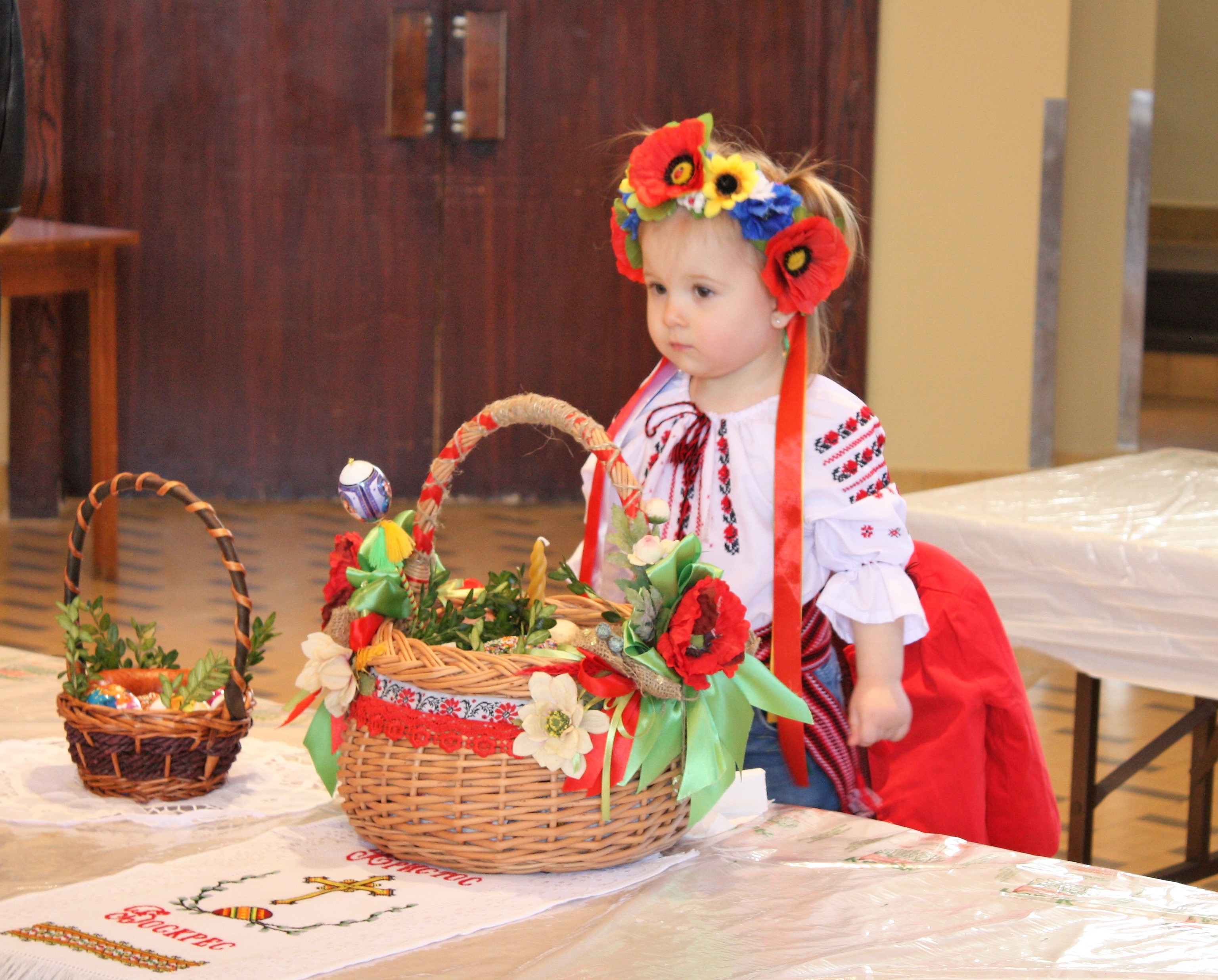
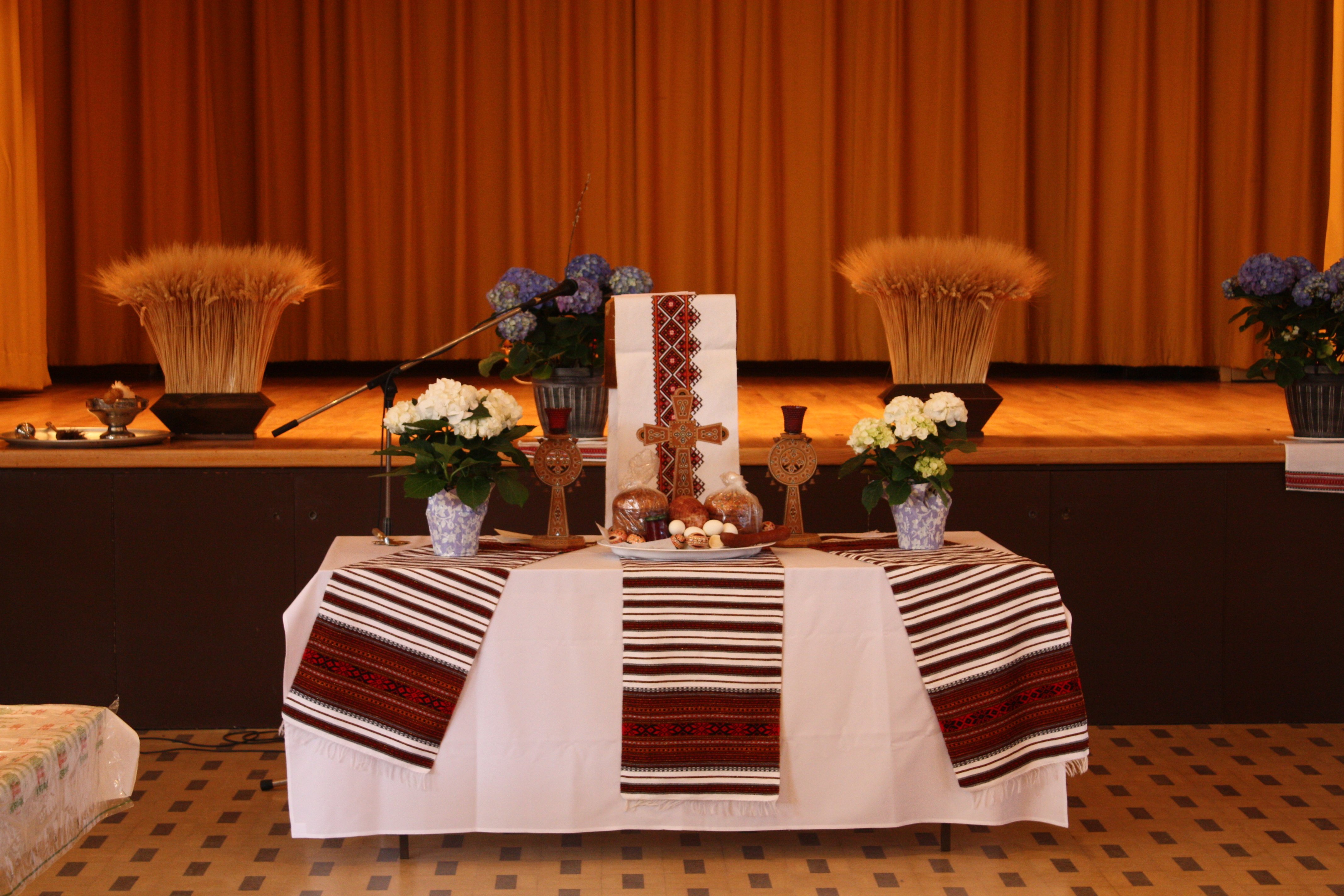
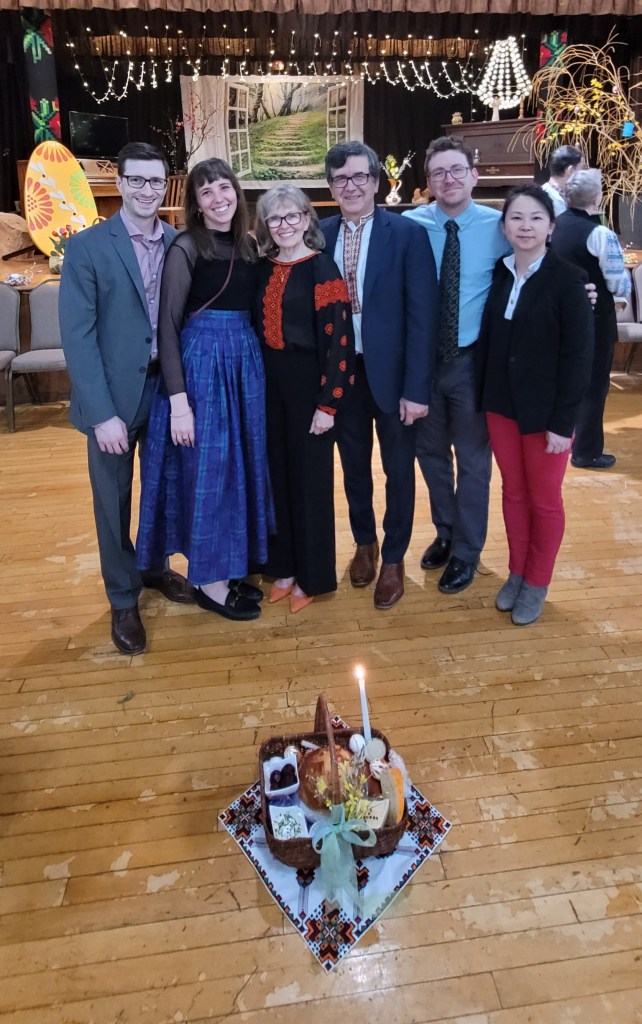
On Holy Saturday, families flock to the church with decorated baskets, filled with the bounty to be shared Sunday morning, blessed by the priest in a short, simple ceremony. Each year, we would don our handmade vyshyvanka, and fill our basket with eggs, kolbasa, ham, butter, cheese, beet horse radish, surrounding a freshly baked paska bread, garnished with forsythia branches and pussy willows, watched over by a candle. We battled Toronto west end traffic to gather in the basement of the Ukrainian Church on Leeds when Baba was alive. Every half hour throughout the afternoon, a new ceremony begins.

We staked out our spot as the previous pilgrims are leaving, laying the special cover on the table, methodically unwrapping the plastic from each item before lighting the candle. The priest begins with prayers while a cantor sings the responses, sometimes joined by the people. He then proceeds to bless each basket with the families gathered behind. The priest seems to relish this aspect as he vigorously sprays everyone with the holy water, people wiping the excess from their faces, smiling, laughing.

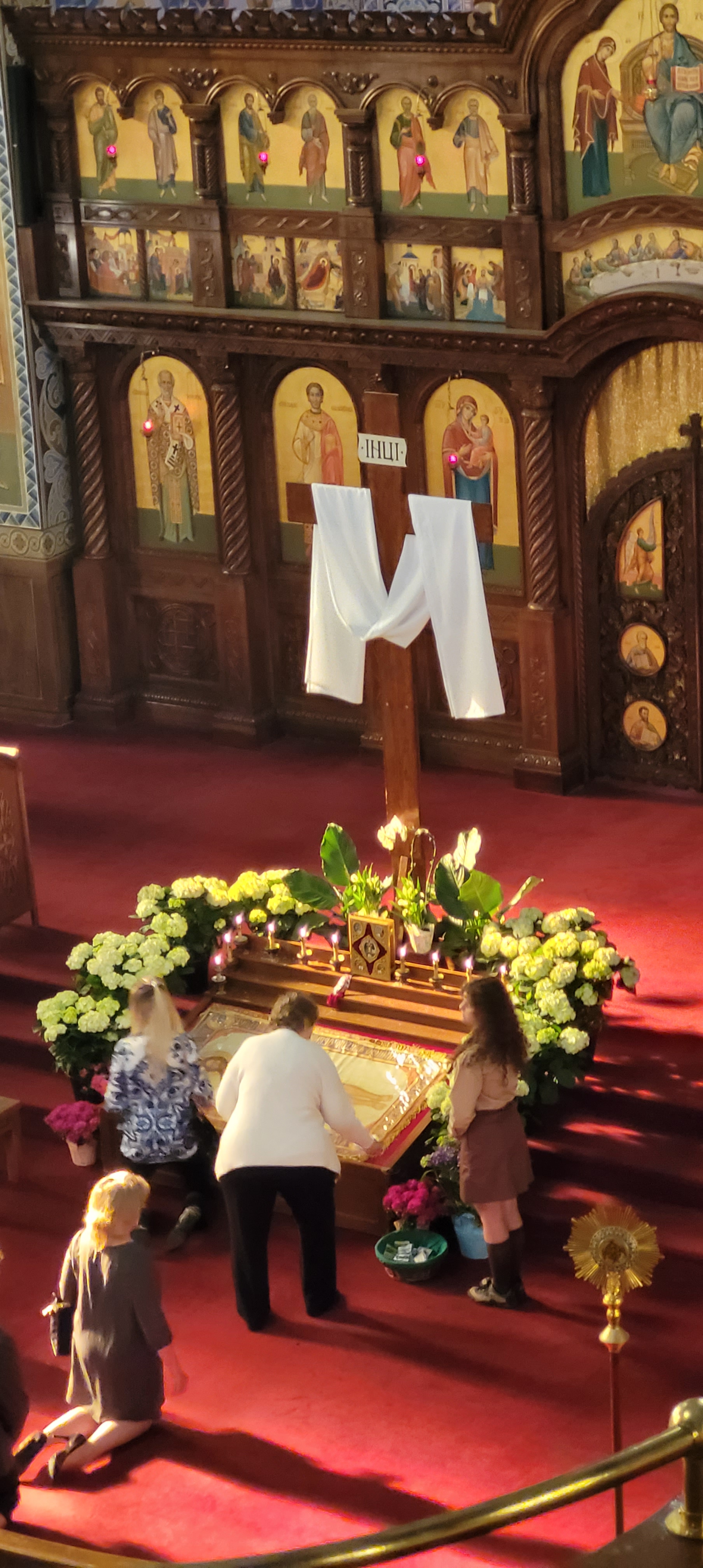
A brief sermon follows before concluding with a hymn. Pictures ensue, greetings are exchanged and everyone vacates for the next gathering. Some complete the afternoon by moving upstairs to the church for quiet prayer and the veneration of Jesus lying supine in front of an empty cross.

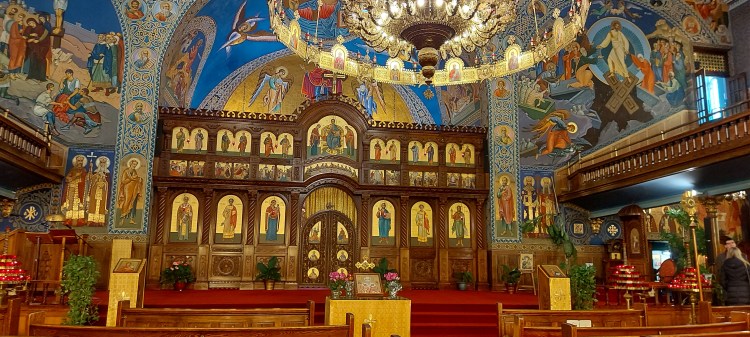
This year, we attended the services at St. Nicholas parish where the rituals followed in the exact same order. People standing in a horseshoe shape with their baskets on the floor, typical of what would happen in Ukraine as the only difference. It is a lovely ceremony, eagerly anticipated each Easter.

Our family for the blessing of the Easter basket, St. Nicholas Church, 2023

For the first time, Olga and I attended the Easter Vigil on Saturday night marking the resurrection of Christ. I had attended the English service only once, in London, and cannot explain each element. The Ukrainian version was even more opaque to me; nevertheless, the atmosphere and the emotion spoke its own language.

The ceremony began with the Archbishop leading the congregation outside, encircling the church three times, stopping to sing hymns at the front door before reentering. The body of Christ is gone, the empty cross has disappeared. The Archbishop leads the people in prayer, the choir leads the people in hymnal song. Then suddenly, the normally solemn face and voice of a priest turns to the parishioners with a broad smile declaring, “Khrystos Voskres” to which the people respond, “Voistynu Voskres”. Three times, in succession. The last refrain the loudest with children shouting from the balcony so their voices are heard above the angelic song of the choir. I understood little else, yet it did not matter. The emotions transcended all.

Throughout the mass, as if walking the streets of a village, the priest paraded in and out of the sanctuary, skillfully swinging the thurible, spreading the incense, stopping at key moments to share the news: Khrystos Voskres! Voistynu Voskres! Khrystos Voskres! Voistynu Voskres! Khrystos Voskres! Voistynu Voskres! The outburst and refrain was repeated ten times by my count. All the while the Archbishop continued with the vigil prayers and the choir filled the church with hymnal song.

The final proclamation came from the Archbishop himself to end the service. This time the church erupted in thunderous unison as he walked up the aisle to the back and out onto the street. The congregation followed, breaking into hugs and handshakes and smiles, with family, friends and relatives. Christ is Risen, He is truly Risen.

The service was pure joy, a celebration which I have seldom witnessed in my years of attending church, an emotionally charged response in a difficult time. Its expression was honest and heartfelt, heralding the beginning of spring, a new birth and rejuvenation, a sign of hope and triumph, the promise of a new and better world.

Oh rise and show your power
(Rise up rise up) We’re dancing into the sun
(Rise up rise up) It’s time for celebration
(Rise up rise up) Spirits time has come

We want lovin’ we want laughter again
We want heartbeat
We want madness to end, we want dancin’
We want to run in the streets
We want freedom to live in this peace

Private Eyes

The curtain pulls aside. The priest opens the Royal Doors of the iconostas, looks out into the nave then turns around to the sanctuary as the congregation stands, the choir singing. Mass has begun.

We have been attending this Ukrainian church since last fall, Olga reconnecting to her roots. I don’t understand a word, save for Amen. I recognize parts of the mass; the first reading, the gospel, the homily, the Lord’s prayer, communion. I follow Olga’s lead as she stands or kneels or sits, blessing myself from left-to-right at the beginning and end of the service, forgoing the countless right-to-left crossings in-between.

Otherwise I think and listen and watch.

Shortly after the first hymn and everyone has sat down, another priest emerges from the vestibule, crucifix in hand, planting himself in a chair perpendicular to a pew situated in a corner. He is ready to hear confession at the front of the church, to the left of the congregation in plain sight. I grew up with the sacrament of penance being conducted in a closed box, priest awaiting on one side, penitent entering the other, doors closed, dimly lit, separated by a screen, making the participants largely hidden from each other. My own experience has been minimal, partaking sparingly for a few years after grade eight at St. Robert’s when the class was confirmed together. I cannot remember the last time, and I am no longer clear of the steps and the words. 

The set up here at St. Nicholas attracts my attention. I notice the constant movement, wondering  if anyone else glances over regularly. People pay heed if only to determine when best to join the line. It is longer this week as the days close in on Orthodox Easter. Confessants want to be absolved before partaking in communion, watching the mass from the side of the church, waiting their turn. The devout family gathered in the pews to our right are regular. The father and teenage daughter have already headed for the queue. There are more parishioners today.  

Each one approaches in earnest, heads bowed, leaning in, whispering. Some longer, some shorter. The priest bends towards them, listening intently, nodding on occasion, looking away. Then with a slight turn toward the person, not making eye contact, he begins to speak with intention, explaining, using his hands for emphasis, ending with a blessing, more pronounced with the wooden cross in his hand. The person makes way for the next.

There is a young boy, 12 maybe, who finishes, gets up and heads back to his seat, a look of accomplishment on his face, twinkling eyes of mischievousness, one of those “I just got away with something” smiles. His looks are innocent so I am trying to imagine the content of his confession, trying to remember my sins at that age. It may have been gleefully egging on the fisticuffs which regularly broke out in the schoolyard, or the mocking cries of “caw, caw” to  Mr. Crow, the janitor, as he cleared the school roof of tennis balls, or standing by as the boys from the reformed school protested in Dutch for being harassed crossing the St. Robert’s property. I cannot recall if these were the source of my confessions, or if I described the thoughts in my head, or if I mentioned my sins of omission. I don’t know for what sin I would be asking forgiveness from the priest today.

A kerchiefed, old woman hobbles to the pew, hunched over in a dark, full length, woolen overcoat. She appears known to the priest because he stands with her approach, remaining there to hear her confession, saving her the difficulty of kneeling, the painfulness of raising herself up again. She is immediately followed by a long haired, young woman who bounces to the pew, fashionably oversized beige sweater atop a pleated short skirt revealing her long legs.

Men, women, teenagers in equal numbers. Old, older. Sunday best, modest dress, casual attire. It continues for the full length of the mass, one after another after another, stopping only to hear the gospel.

I don’t feel compelled to join the line. I think about my actions and inactions, my words and responses, my thoughts and judgements. I will share them with Olga later and reflect some more. I might pray.

Otherwise they are private, not to be poured out before the eyes of the church.

867-5309

Call me (call me) on the line
Call me, call me any, anytime

Don’t call 867-5309. It’s not my number.

It used to be 519-451-5900 growing up. It’s gone.

Don’t call 416-622-3095 either. It is not my number anymore.

It was my number for almost 40 years, starting when Olga and I bought that hole-in-the-sky condominium in 1984. The dial phone hung in the kitchen, modern beige, with a curly retractable cord which allowed you to sit down for a conversation. It was our only phone. And because Olga made the arrangement, it was listed in the phone book as O. Decock. On numerous occasions colleagues or acquaintances would remark they could not find me in the white pages.

The number, 416-622-3095, followed us to our next home, a three bedroom bungalow a few blocks away in the same neighbourhood. We thought ourselves lucky to keep it, not needing to memorize a new one, not having to change our contact info with work or the bank or the municipality or the church or with our friends and relatives. Easy. And it hung again on the kitchen wall, dial, off-white to match the wallpaper. The television was in the basement, so a person had to scamper up the stairs to respond to the ring before it woke the kids, lift the receiver, slightly out of breath, to discover who could be calling at this hour.

When we moved to our current house, different area, same city, the number continued unchanged. Fortunate because the volume of contacts had grown. This time the previous owners left only an empty jack, on the wall, in the kitchen, again. We thought to modernize by acquiring a push button phone, eschewing an answering machine thinking if it was important, they would call back. We did concede to a second phone in the basement recreation room, with the television and VCR, (we did not subscribe to cable) to save racing upstairs to answer a call while watching a movie. We still had to scramble from the second floor when the ringing beckoned us from our beds in the night. As we graduated to cordless, years later, there would be one on each level, although none in children’s bedrooms.

Internet, computers, wireless, cell phones, smart phones, blue tooth, text messaging; the acceleration of communicative devices and software slowly rendered 416-622-3095 obsolete.

The landline’s only purpose was to provide an avenue for strangers to invade the home.

“We are in your neighbourhood doing ductwork.”

“You have won a free cruise.”

“If you do not pay the fine, you will have to show up in court.”

“We are conducting a market survey.”

"您是免费奖品的幸运赢家"

Call display helped screen the callers but it did not stop the ringing and the announcements.

“Call from 1-800-234-9056”

“Call from 1-888-567-3712”

Enough.

Called Ma Bell, on my cell, to cancel, saving 50 bucks a month.

416-622-3095 is gone, dead.

Call or text using the smartphone instead. I carry it everywhere: backyard, cottage, driving, walking the dog, another country, in the bathroom. Welcome to the modern world.

Appelle-moi mon cheri, appelle-moi
Anytime, anyplace, anywhere, any way
Anytime, anyplace, anywhere, any day

On my cell.


Wake me up before you go-go

What time is it?

For that matter, what day is it?

The flickering flat screen at the far end of the dining area suggests it could be Sunday. Images of gesticulating men and women, arms raised in praise, swaying to the rhythm of electric guitars, unheard voices singing in unison, a lighted cross in the backdrop.

If today is Sunday, then is this Accra?

No, otherwise I would not be sitting here groggy, waiting for the server to offer another cup of Americano coffee. I am in Nairobi, country number six, although this one did not stamp my passport.

I have not arrived.

I am in transit, half way through a five hour layover at the Jomo Kenyatta Airport, landing for a very early breakfast on a flight which left Johannesburg at 1:15 am. I can scarcely believe my own words. The plane was near full of fellow travelers, eyes shuttered, head lilting, mouth agape, hands clutching blankets in desperation. Please let me sleep.

The suitcase has been my closet the past 15 days, only my suit escaping to avoid the irreversible wrinkles. Never more than three nights in any spot, busy every day, up early for another tour, a ride to the airport, not sleeping well in anticipation, not in my regular bed. I hope the suitcase accompanies me on the next leg.

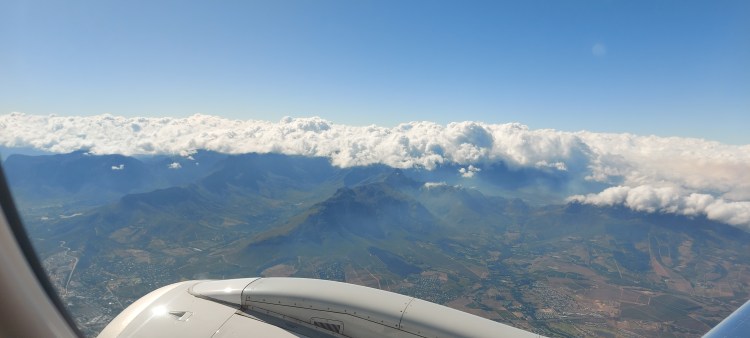
It managed to traverse from Toronto to Amsterdam to Johannesburg to Victoria Falls (waiting there while we visited Botswana) to Cape Town to Johannesburg and presumably it is languishing on a trolley here in Nairobi, ready to be loaded for a flight to Accra shortly. Not lost yet.

I might as well head to the gate, need a change of scenery, need to move these legs, need to get off my butt.

What time is it again?

Christmas Wrapping

“What should I get my grandfather for Christmas?”

The question seems preposterous, so I keep manipulating the paper, head bent over the irregular present, attempting to find the best fold for the wrapping on my latest task. Why is this young boy asking advice from us, total strangers, within our square booth, in the midst of a busy Toronto mall?

Emily is unphased and responds while deftly cutting a perfect straight line through the toy box design.

“That question is hard to answer because I don’t know your grandfather. What does he like?”

“I don’t really know.”

There is a crowd in front of us, gathering, watching our work. I look up. A young boy, probably twelve or thirteen, a little taller than the rest of the posse, perplexed, honestly enquiring, waiting for some guidance on where to begin the evening’s shopping.

“Well have you thought about something he likes to eat, maybe a box of candies or a package of mixed nuts?”

“Yea, that might work. He would like that. I will get my grandfather a box of candies. Thanks.”

“How do you make the ribbon curly?”

That last question is directed at me, from a different person, as I am adding the finishing touches.

“Wait around for a moment and I will show you.”

I tucked the elongated strand under the previous knot, criss-crossed the two ends and pulled it tight.

“Now you open the scissors, like this, drag from the bottom to quickly scrape the dull side, and voila – curls.”

“Cool. Thanks,” and the boys disperse, disappearing into the flow of a seemingly endless throng of people.

“Where does this one go, Olena?”

She is the one responsible for me being here tonight. Indirectly. Olena has been volunteering at the food bank. This week the work involved a shift at the booth, three days before Christmas, wrapping presents for shoppers, five dollars for a small gift, ten for a large one, all the money a donation for the charity. She needed another person and invited Olga, her mother, my spouse, to help, who in turn recruited me in “supporting our daughter”. Difficult to say no.

“It belongs with the larger one here. Can you work on this bunch next? The guy is going to be back in about fifteen minutes. He doesn’t care what kind of paper, just as long as each one is different.”

A sweat top, with a hoodie, matching sweat pants, and a pair of blue clogs. No boxes. Stores don’t appear to be supplying them and we don’t carry any in our booth, so it requires some creative paper machinations. Again. Clothes have been the most common commodity, primarily those for relaxing. Mittens, hats, housecoats (“I definitely think this one needs to the striped paper.”) Toys r Us has been a popular source. Hot Wheels, back packs, stuffed toys. Rachel, the high school student accumulating volunteer hours is tackling several from two 30ish guys, still in their dusty work clothes, attempting to ensure something will be under the tree. Knock off a few items from the list, quasi-professionally wrapped, contribution to a good cause. Not bad for one evening of work.

“Dad. can you help out this woman? She has been waiting. Mom, can you give Dad a hand?”

Non-stop since 3:00 pm, there is finally an opportunity to sit down at 6;30, a lull, some calm before the next onslaught of creams, watches, Metallica t-shirts, and more sweat tops. Many young men scrambling, woman managing packages and children, Mary who wants to take a picture of the decorated package before sending to her son (“I did this by myself for years…. try taping the corner before folding. Yes. Perfect.”); a kaleidoscope of people and backgrounds, hoping their selection will bring a smile to a parent, a child, a girlfriend, a grandfather, wanting to share their thoughts, this moment, this season of giving.

Christmas is my favourite time of the year.

Then suddenly we laughed and laughed
Caught on to what was happening
That Christmas magic’s brought this tale
To a very happy ending.
Merry Christmas, Merry Christmas,
Couldn’t miss this one this year.