Welcome to my world. Whether it be the documentation of some family history, a stop on the train of thought or a travel to parts of the globe, this blog is a reflection of the sights and sounds and thoughts of my interaction with it.
Summer brings up memories of driving and holiday excursions. Growing up, vacations normally meant visiting locations in Ontario, always involving a vehicle, and most of the time including relatives from the Netherlands.
My parents owned a car for their entire life in Canada. A vehicle was a necessity living outside the city limits with very little within walking distance and no access to public transportation. Dad had to learn to drive in order to work. I recall Mom explaining the process by which Dad obtained his license. There were no mandatory driving lessons or wait periods or graduated testing. He registered for a driving test and promptly failed on his first attempt. When the instructor informed my mother, she said simply, Dad was going to drive regardless because he needed to remain employed; the instructor reluctantly reversed his initial assessment and granted Dad his license.
My parents first car in 1958: a Volkswagen Beetle
My parents purchased a used Volkswagen Beetle, I expect on some form of credit since they arrived in the country with very little. It enabled them to get from A to B but little else. They would laugh explaining how driving skills included the ability to scrape simultaneously the frost from the interior side of the windshield because the fan produced insufficient heat in the winter. There would be bigger cars in the future as the family grew, all used until their last, a luxury they finally afforded themselves in the waning years. Mom also learned to drive early as she became the chauffer for the different Saturday activities when Dad was working. It was Mom who drove us to our swimming lessons, or bagpipe lessons for the 3M marching band, or to the London Gardens to watch 3M play in the industrial league or shopping. Everything required a vehicle. The car was our lifeline.
I can recall only two holiday excursions which did not involve driving or were outside of the province of Ontario. Both were trips back to the Netherlands in 1967 and in 1973. My first vague memory of a family vacation was of renting a cabin up north, on Manitoulin Island, which I know now because of the labels on some early photographs. I would have been four years old. The only incident imprinted in my brain was the presence of a large snake under the cottage which ventured onto the gravel road. The image still haunts me.
More clearly are memories of a week long camping trip to Sand Hills Park, a private campground on the shores of Lake Erie, near Port Dover. We vacationed with the Jansen family: Albert and Riet (Mr. and Mrs. Jansen as I always called them) and their two sons, Pete and Eddie. All the boys slept in the pop-trailer; our parents slept in the hard-top, borrowed from Gordon Appleby, the neighbour across the street who drove it to the site as a favour.
The days were spent on the beach and dunes, playing badminton and horseshoes, flipping knives and carving wood, as well as loud, robust games of cards, capped by a camp fire each night. I remember proudly spending the entire trip in my bare feet, never once donning a pair of shoes or sandals.
It seemed every other summer holiday time involved relatives from the Netherlands. Dad had to schedule a couple of weeks of his very limited vacation to host and escort a brother or sister, sometimes their children, around the province. There were the obligatory trips to Ottawa and Niagara Falls, sometimes to Toronto or Midland and always everyone packing into one vehicle, cramming bodies onto the bench seats, as many as four in the front and the remainder in the back. Cars were bigger, seatbelts were non-existent, and personal space was irrelevant. The trunk was spacious, easily holding the folding chairs, coolers, Coleman stove, luggage and tools, exactly as they said in the ads (a nod to fans of the Wonder Boys: https://www.youtube.com/watch?v=PHcwHxzDQDs).
I recall our first trip to Ottawa in the old green car. Given its dubious mechanical reliability, Dad decided to avoid Highway 401, the major four lane thoroughfare, and the heavy traffic of Toronto by following Highway 7 all the way from London, a six to eight hour drive depending on how many stops were required. We needed to have easy access to gas stations because that old green car needed frequent visits when we jokingly asked the attendant to check the gas and fill’er up with oil. The four of us would be on our knees staring out the big window and laughing as the car left a trail of heavy smoke for several miles after each stop, engulfing everything in its wake. You can imagine, as well, how four rambunctious boys could misbehave with all that time and the abundant space in the back seat. Mom would admonish us, demanding us to settle down; Dad would reach back to smack anyone within reach, threatening to pull over if we didn’t start behaving. It was the first of numerous trips to Canada’s capital city.
Photographs of visiting relatives in Ottawa spanning the years, from left to right: Tante Toos, Ome Kees Mommers, and Tante Franciene
In the early years, we did not stop at roadside eateries or restaurants. Fast food enterprises were still in its infancy. My parents preferred the traditional picnic alternative which had the added bonus of saving money. The idea of stopping at McDonald’s for a burger was belittled especially when you could enjoy healthier, homemade sandwiches with smoked meats purchased from the Dutch Deli, packed in Styrofoam coolers along with fresh fruit and cut-up vegetables from the garden. Don’t even think about purchasing a coffee from Tim Hortons when a Coleman propane stove could quickly boil some water for a very hot taste of some Maxwell House Instant coffee.
Stop in a park for some lunch prepared, in part, with the Coleman stove. Coffee was instant.
Niagara Falls was another favourite site of my parents. The eighth natural wonder of the world is only an hour and a half drive from London, an easy one day trip, up and down, not costing the price of an overnight stay. No visit to Canada was complete without a trip to the Falls.
One of my favourite photos shows my parents with Tante Toos and Tante Anne aboard the Maid in the Mist
I lost any desire to view them again until Olga and I had our own children and we embarked on a driving family vacation around Lake Erie. The first stop? Niagara Falls. My Mom and Dad were so excited by the prospect they decided to meet us there, where we visited the major attractions and shared a picnic lunch. They wanted to relive those earlier experiences, this time with the grandchildren.
We eventually made stops in Cooperstown, New York and Kingston, Ontario mirroring the same kind of trip as in my childhood by driving somewhere. In retrospect, many of my own family holidays involved car travel. Olga and I drove back and forth to Quebec City for our honeymoon; the entire family drove from Saskatoon, Saskatchewan to Victoria, British Columbia by way of Swift Current, Drumheller, Banff and Jasper National Parks, Vernon, Vancouver, and Calgary, stopping frequently for a roadside picnic with our own prepared lunches.
Lunch stop in Revelstoke, British Columbia
Our first trip to Europe with the kids involved renting a car to trek from Tilburg to Paris and Normandy and back, visiting Brugge, Rouen, Antwerp and numerous small towns in between. Before we departed, Uncle Piet and Tante Franciene lent us a Styrofoam cooler so we could purchase food and eat along the road. We saved money by limiting meals at restaurants, acquiring groceries to eat on the road or in our rooms.
Stop for a picnic lunch out of the trunk of our car at one of many roadside cemeteries.
On another trip, Olga and I drove from Amsterdam to Barcelona via Provence and back through the Pyrenees. I still love a road trip and consider it one of the best modes of transportation to see any country.
Caribbean resorts have their place on a rare occasion to escape; ship cruises don’t have the same appeal. My preference would be to travel by car, stopping at small towns, eating along the roadside, checking out the world’s largest gavel, visiting the ball park, singing to tunes on the radio, getting lost along the way, embracing the journey and the destination.
The idea I am putting forward is that new Canadians bring their stories with them, and these stories then become Canadian stories. Canada’s past lies not only in the native stories of the land itself, but also in Europe, and now in Africa and Asia; Canadians have fought not only in the World Wars, but also in the wars of liberation of Africa, Asia, and South America. We have veterans and heroes not only of those European wars, but also of wars elsewhere. Our children, however much they sometimes pretend that our past does not matter to them, also demand that. The stories of the Jewish Holocaust, the holocausts in Rwanda, the Partition of India, and the massacres of Cambodia are also Canadian stories.
M.G. Vassanji, Am I a Canadian writer? in Canadian Literature. Number 190, Fall 2006, South Asian Diaspora.
I first read a book from M.G. Vassanji in 2017 prior to my initial visit to Tanzania which included a stop in Uganda. Mary Fisher, a colleague at Seneca College and fellow Canadian literature enthusiast, directed me to his 2012 novel, The Magic of Saida. The story takes place in the East African countries of Kenya, Tanzania and Uganda so I was able to connect some of the content to my travels. I had been purchasing faithfully every book he has published since the mid 1990’s but had yet to read any of them. Vassanji’s last novel, A Delhi Obsession, was released in Fall 2019 immediately before our trip to India. I read it during that time and better understood the story because of a visit to Amritsar and the Partition Museum. ( https://wordpress.com/post/henrydecock.org/137 )
M.G. Vassanji is an accomplished and decorated author, winner of two Giller prizes for fiction and the Governor General’s award for non-fiction along with numerous others; yet, his name draws blanks to the large majority of people when they inquire as to my recent reading material. My sudden interest stems from the locations as they coincide with recent travel destinations and with my continuing exploration into to the life of my Uncle Kees in Uganda ( https://henrydecock.org/category/dikoko/ ). The work of M.G. Vassanji, therefore, became the source of my reading for the month of July.
I began with his fourth book and third novel, The Book of Secrets published in 1994, honoured with the distinction of being the inaugural winner of the prestigious Giller Prize. The new award was valued at $25,000, the highest in Canada, and has become the most recognized prize in the country, raising the profile and book sales of winners and nominees alike. I had only just begun collecting Canadian literature and purchased a post-prize 3rd printing version of the book complete with a sticker announcing the award on the cover. (All my subsequent books are first printing, although I have yet to acquire one with his signature.)
McLelland & Stewart, 1994. 333 pages.
The story transports the reader to a fictional town in Kenya, bordering German East Africa, present day Tanzania, in 1910. The book chronicles the story and discovery of a lost diary from the British Assistant Director which purportedly documents Alfred Corbin’s scandalous liaison with a beautiful, local girl, Mariamu, who is betrothed to marry Pipa, an aspiring entrepreneur. We follow the lives of the families and delve into the mind of the historian Pius Fernandez through World War I and into the 1980’s as the secrets are slowly revealed.
The books of M.G. Vassanji always include a lesson in history and an understanding of the times. The account of the fighting in East Africa during the first World War certainly helped me to understand the change of colonial powers as a result, filling in gaps of my knowledge about the African country. The perspective is always from that of the Asians, how they settled and lived in East Africa, their relationship to the indigenous population and with the Europeans. The story itself is compelling, slowly revealing itself in chapters looking backward in the pursuit of the owner and content of this so-called book of secrets.
The reader is totally immersed into the place and time with a litany of names and locations in the language of the protagonists, both Indian and African. At times the information is overwhelming and I found myself constantly referring to the four page Glossary in the back and to the map at the front. Each enabled me to situate the story and capture more deeply the meaning behind the words. After the first hundred pages, I became accustomed and simply intuited the meaning from the context, allowing the characters and situations to inform my understanding.
The Book of Secrets also struck a chord for me as an amateur historian attempting to uncover the world of a missionary Uncle in an unknown part of the globe. How do you write about a time or a person or a place about which the knowledge is limited or incomplete, “as incomplete as any book must be. A book of half lives, partial truths, conjecture, interpretation, and perhaps even mistakes. What better homage to the past than to acknowledge it thus, rescue it and recreate it, without presumption of judgement, and as honestly as we know ourselves, as part of the life of which we all are a part?”
The story, the insight and the writing made for a pleasurable read.
Doubleday, 2003. 400 pages.
The In-Between World of Vikram Lall is M. G. Vassanji’s sixth book and the eventual winner of the 2003 Giller Prize. Vassanji thereby became the very first writer to win the coveted prize twice, an accomplishment not attained by the likes of Michael Ondaatje or Margaret Atwood or Lawrence Hill or Miriam Toews. Subsequent two time winners would be Nobel prize winner, Alice Munro and most recently, the internationally renowned, Esi Edugyan.
The story begins with the protagonist introducing himself and stating, “I have the distinction of having been numbered one of Africa’s most corrupt men, a cheat of monstrous and reptilian cunning. To me has been attributed the emptying of a large part of my troubled country’s treasury in recent years. I head my country’s List of Shame.” Vikram Lall proceeds to detail his life growing up in an Asian family in Kenya beginning in 1952, through the country’s underground insurgency fighting for eventual independence in 1963 and into the increasingly corrupt government which collapsed following the death of its first president, Jomo Kenyatta. The politics are infused with the personal as the reader witnesses the impossibility of inter-racial love and the realities of growing up Asian in East Africa. “Here I was, a young Asian graduate in an African country with neither the prestige of whiteness or Europeanness behind me nor the influence and numbers of a local tribe to back me, but carrying instead the stigma from generalized recent memory of an exclusive race of brown ‘Shylocks’ who had collaborated with the colonizers… Black chauvinism and reverse racism were the order of the day against Asians.” The book helped inform me about the expulsion of Asians from Uganda during the regime of Ida Amin and the reaction of my uncle to these actions. For all readers, the novel provides a fictional account of an historic period in the birth and development of fledgling African states.
Once again the reader is immersed in the country and the languages, this time without a glossary or a map, because as Vassanji writes in the end notes, “My usages of Kiswahili (or Swahili), Kikuyu, Hindi, Punjabi and Gujarati should be self-explanatory in their contexts.” When in doubt I popped a word into Google or consulted it for the geographic location of places. I could relate more easily to the time period and the unravelling of the story to explain the opening quote made for a compelling, highly satisfactory read.
Doubleday Canada, 2007. 314 pages.
M.G. Vassanji’s 2007 follow-up novel, The Assassin’s Song, was nominated for the trifecta of Canadian awards; the newly named Scotiabank Giller Prize, the Governor General’s Award for Literature and the previously titled Rogers Writers Trust Fiction Prize. This story takes place in western India, told in the aftermath of 2002 religious violence in Gujarat, by Karsan Dargawalla, anointed spiritual heir to become the next sufi of the Shrine of the Wanderer. Karsan, however, desperately wants to be ordinary with dreams of being a cricket star, an aspiration resolutely quashed by his father, the reigning leader, who succeeded his own father’s role. Neither Hindu nor Muslim, the followers of Pirbaag were caught in between the growing tension between the two religions: “Why do Hindus and Muslims hate each other?” He became quiet, looked away, and for a moment I thought he was going to say, I don’t know. Instead, he said, “They don’t hate each other. They’re only sometimes afraid of each other . . . and there are those among them who exploit that fear.”
Karsan learns of the world beyond his village through the newspapers provided by his truck driving friend, and with clandestine visits to the nearby city where he applied for university in the United States aided by the recommendation of a favoured book dealer. With a full scholarship, Karsan moves to Cambridge, gaining knowledge beyond the classroom, building a career and a life, returning thirty years later amidst political and personal tragedy.
Understanding the terminology of religious sects and spiritual followings was more of a challenge for me, especially given the author’s style of complete immersion into the world of the story. Vassanji does provide a glossary this time, explaining the evolution of literary proprieties of fiction in English reflecting the diversity of a growing body of writers: “There used to be a time when non-English terms appearing in fiction were necessarily italicized to denote their foreignness, or adorned with super-script to provide their meanings. Happily this is not the case any more, for the meaning of a term should be apparent in a novel of story wherever it occurs. However, to shun a glossary or even a hint of a meaning merely on principle risks becoming another orthodoxy, a posture which I would like to avoid.” There are moments of simplicity in the writing, applicable across languages, which evoke the raw emotion of the moment: “We had a life together, we had love and friendship and a child, we had some great times; but now there is nothing but pain and I have gone away. Hug and kiss understood. We did love each other, with our own brand of passion. We laughed. But that last long cry killed us.”
The attraction of the story was less about the clash of spirituality with the material, contemporary world and more with story of families, their bonds and influences, the lifelong impact of parents as exhibited by the propensity for children to follow subconsciously their parents in actions or ideas. This message will resonate more with those who reflect honestly on themselves and that of the lives of their children.
Doubleday Canada, 2014. 370 pages.
M.G. Vassanji is the author, as well, of three pieces of non-fiction, of which his travelogue A Place Within: Rediscovering India won the 2009 Governor General’s prize. I chose to read the 2014 And Home Was Kariakoo: A Memoir of East Africa in hopes of gaining insight to support my other writing project. The Preface, however, quoted here in part, provides the most compelling reason for the curious. “From abroad, I often see Africa perceived merely as a place of war, disease, and hunger, a sick entity deserving pity and sustenance and all help possible. … Over the years I have often revisited East Africa, where I was born and raised, as were my parents and one grandfather. From the inside, the place is actually very different, and the world looking out also seems very different. … Every place is a universe in itself; I saw a diversity in a varied and teeming country. There was life, there were people. There was the geography. ” The words captured my very brief experience and I wanted to read how Vassanji would write this memoir, a genre about which I would like to learn more.
I have managed only to get halfway through the 370 pages at the time of this writing. The book is a combination of history lessons and personal reflection. The history is both about “discovering” the eastern side of the continent as well as the establishment of the Asian community in Africa. Vassanji utilizes numerous historic documentation, although, frustratingly, the quotes are not cited and all reference material is found in the back of the book organized only by chapter, somewhat inconsistently.
The best writing occurs when he reflects on his personal responses to the scenes of old stomping grounds or historic outposts of the Asian community: “As I stand here in the noisy clamorous heat and dust taking photos, I think I could fill all the apartment around this crossroads with people and stories. No amount of photography could replace the memories of a life lived, of lives observed and known, of lives elaborated in the mind and on the page.” ; and when Vassanji discusses the writing of history, who writes, and for whom: “We can hardly blame the others for celebrating their own heroes, writing their own stories; the question is, why did ‘we’ not produce our own stories?” I will finish the book and hope the balance of writing leans more towards the personal.
M.G. Vassanji is among the best Canadian writers, recognized with awards for both his fiction and non-fiction, here and internationally. And yet, he remains somewhat unknown. Vassanji’s African birth, Indian heritage and personal experiences form the basis and location of his work and always includes some connection to Canada. I would certainly recommend the books I have completed and hope you will agree. More information about M.G. Vassanji can be found below, reproduced from his website.
From the website: M G Vassanji is the author of nine novels, two collections of short stories, a travel memoir about India, a memoir of East Africa, and a biography of Mordecai Richler. He is twice winner of the Giller Prize (1994, 2003) for best work of fiction in Canada; the Governor General’s Prize (2009) for best work of nonfiction; the Harbourfront Festival Prize; the Commonwealth First Book Prize (Africa, 1990); and the Bressani Prize.The Assassin’s Song was also shortlisted for the Giller Prize, the Governor General’s Prize, the Writers Trust Award, and India’s Crossword Prize. His work has been translated into Dutch, French, German, Hindi, Italian, Japanese, Latvian, Portuguese, Spanish, Turkish, and Swahili. Vassanji has given lectures worldwide and written many essays, including introductions to the works of Robertson Davies, Anita Desai, and Mordecai Richler, and the autobiography of Mahatma Gandhi. In June 2015, MG Vassanji was awarded the Canada Council Molson Prize for the Arts. (Photo: Mark Reynolds)
M G Vassanji was born in Nairobi, Kenya and raised in Tanzania. He received a BS from the Massachusetts Institute of Technology and a PhD from the University of Pennsylvania, before going to live in Canada. He is a member of the Order of Canada. He lives in Toronto, and visits East Africa and India often.
I just finished M.G. Vassanji’s novel, The Book of Secrets. The story takes place in Tanganyika (German East Africa) and Kenya largely during the first World War years and into the aftermath of their independence. The protagonists gravitate between the cities of Moshi, Dar-Es-Salaam and the fictional Kikono; Voi, Mombasa and Nairobi respectively. The book resurrected memories of my 2017 work travels in Tanzania when I was writing home daily to describe my experiences. Rereading them made me realize the stories became the foundation of my blogging practice with their descriptions and observations.
A number of the emails dealt with the work itself and the people who I met in the process. I will spare you the detail; rather I will focus on a few of the humorous events but not before some initial, sober commentary. Except for minor editing for obvious typos, selected letters or portions thereof are reproduced here with accompanying photographs. The post is long so grab your favourite beverage, put your feet up and enjoy. I hope it brings the same thoughtful reflection and a smile to your face as happened with me in this Tanzania redux.
The front end of the May 2017 journey to the continent of Africa began in Uganda which I wrote about, in part, in an earlier post. I flew out of Entebbe, changing planes in Kigali, Rwanda, landing in Dar es Salaam, Tanzania, to join up with my work colleagues. The next day, we left in two vans for Dodoma, situated in the geographic centre of the country.
Sun 2017-05-21 4:43 PM Day 6: Dodoma, Tanzania
If today is Day 6 then I must be in Dodoma.
I have travelled to a different place for the night every day since I have been here. Today was no exception.
Dodoma was declared the capital of Tanzania about a year ago and the president is moving government offices here. The city is 470 kilometres from Dar es Salaam which took us 9 hours to drive! The inordinate amount of time is result of a combination of going through numerous towns/villages where massive speed bumps make sure you slow down; trucks, trucks and more trucks with seemingly full loads because they move oh…so…slow….ly; and roads with craters and pavement with ruts from the weight of the trucks. I spoke last time about Dar es Salaam having a better infrastructure than Kampala. Well, the quality of the road is in a direct inverse relationship to the distance from Dar es Salaam. The holes here in the rural part of Tanzania were equally as bad as what I saw in Uganda. It is perplexing that the main road into Dodoma, which is the capital, is in such bad shape. We even witnessed the aftermath of a head on collision between two trucks which our driver suspected was a consequence of one or both trying to avoid the massive holes in the road.
View through the windshield of the road through one of the many small towns on the road to Dodoma.
At the guest office of the hospital in Kamuli there was a young English doctor named Joe who was practicing there for the last three months. I was chatting with him and asked about his sense of the poor conditions. One of his comments was about feeling guilty that people had to pay for the medical services. And he also said the conditions were worse outside of town, in the countryside. We got a good glimpse of that today on the road to Dodoma. There were the shanty like “shops” in all the towns/villages like I had seen in Uganda but there was a closer look at the “homes” which were spread throughout. I was not exaggerating when I described my hotel room (including this one here in Dodoma) as bigger than these huts/shacks….They were a pile of red clay stones cobbled together, topped by a tin roof held in place by large stones on the perimeter. They had no windows and the lucky ones had a door, otherwise a cloth curtain covered the entrance way. The grounds were surrounded by mud because we are at the end of the rainy season; and in one case, the hut was surrounded by ankle deep water which did not stop the woman from standing in it to hang the laundry. I have no conception of what their lives are like on a day to day basis.
Equally as difficult to see are these stands trying to sell vegetables or fruits or sunflower oil. Tomatoes seem to be the most popular item with row upon row of stacks of the vegetable. I cannot figure out who is buying and what kind of market is there for all these tomatoes. It feels like an act of hope or desperation which is epitomized by this lone woman sitting on a wooden stump on the side of the road with a large platter of what looked like nuts while trucks and cars pass by. No sign to indicate what she had, no stand to attract and certainly no customers. Who would stop and buy? And why? I have difficulty understanding the thinking or the process.
Our vehicles certainly did not stop at these type of “shops”. We ate at a roadside gas and restaurant…. The selection was extremely limited and without the samosas (because they ran out) the only other safely edible item was French fries (they were fresh cut!). The stop resulted in a funny interaction with one of the locals. I went to wash my hands at the restaurant because there were no facilities in the bathroom. There were two sinks both of which produced nothing when I turned open the taps. A gentleman moved in beside me and turned the tap on the water jug propped on the edge, calling it “African style”, an apt description for much of my experience so far.
Tue 2017-05-23 Day 8: Dodoma again
Today was spent either at the workshop or at the hotel so my story today is related to….. the hotel! Alan, the co-ordinator of the funded project who is living in Tanzania for the 5 year duration, says the Moreno Hotel here in Dodoma is considered akin to a Hyatt or a Marriott. This town had little to attract people to it until it became the capital; so now, there will be a need for hotels like it… but they have room for improvement. Getting small things right would go a long way.
The gardens at the back of the Moreno Hotel in Dodoma
When I stepped into the shower yesterday, I realized there was no facecloth. No big deal, thinking it was an oversight. I was pleased later that day when there was a face cloth in the bathroom; but, this morning when I went in the shower, it was apparent there was no soap. Too late to call reception I made due with body lotion. This evening I returned to my cleaned up hotel room and what do I find………. Soap ……but no face cloth. Apparently you can have one or the other but not both at the same time.
Then there is the matter of hangers in the closet. There were four flimsy thin, bent out of shape hangers in my closet when I arrived. The quantity was apparently a luxury because others in our party had none. No matter, most of my clothes weren’t in need of hanging and there was enough for my suit, pants and two shirts. And for the first day I was wearing causal pants and shirt. Today I wore my suit and shirt to the workshops leaving the hangers empty. Upon my return to the hotel room, the hangers were gone!
I managed to get the front desk to deliver more hangers but my request for a wash cloth has so far been unsuccessful. Part of the problem is trying to explain a face cloth – small cloth I try to say, drawing the approximate size in the air. We had a good laugh over supper about the story and now I have been given the challenge to get both and to show evidence to the other Canadian contingent. I have offered my extra hangers to anyone who will give me a facecloth.
You gotta learn to laugh, it is the key to happy travels.
and then a couple days later….
Thu 2017-05-25 4:14 PM Men/women at work
……Finally, there is the running joke about my wash cloths. The one lent to me yesterday disappeared and was not replaced when my room was cleaned. I was determined to get a wash cloth so at the end of the evening I went again to the front desk. I was armed with a Swahili translation. The young receptionist was laughing as Alan and myself were trying to explain what I was looking for. Fifteen minutes later I got two face clothes! My mission here in Dodoma is complete.
The workshops finished, our group began it’s journey back to Dar es Salaam. This time, we were scheduled to fly back in a small plane as part of a regular commuting option between the two cities. I was looking forward, with some trepidation, to this new experience.
Fri 2017-05-26 4:36 PM In-Flight Safety
The pictures say it all. The thrill of the day was sitting in the co-pilot seat on our two hour flight back to Dar es Salaam. As advertised the plane is a small fifteen seater with one person sitting beside the pilot. You have all the gauges in front of you as well as a steering wheel. Seat belt on and away we go.
Sitting in the “co-pilot” spot.
The view is beautiful going over the city and the country itself with small mountains, forests and farmland. We rose to has high as 13,000 feet above the clouds (when there – first part of trip was clear) before descending slowly. With the gauges in front of me, I can see that clouds are sitting at about 6,000 feet and it is total white, like a super thick smog when you go through it. The flight was smooth except for a bit of jostling going through the clouds.
We made one stop along the way to pick up two passengers. We landed on a grass runway. In the front seat I could see us slowly descending and approaching the town, clearly going to land. I am looking around and I don’t see an airport or a standard runway. As we approached the grass runway became apparent and we landed with unexpected smoothness. The terminal was a large tin shed, manned by a lone woman on a plastic lawn chair. With the brief stopover, the total flight was 2 hours compared to the 9 hours of driving.
Approaching Morogoro’s grass runway.
The pilot was a character. I joked just before taking off if there was anything I could do to help. “Don’t do a thing and only do as I say”. Everyone had a laugh. He also completed a minor repair along the way. A handle fell off one of the levers. He fished around on the floor till he found the piece, took out his all in one tool to reattach. He joked with me about making in-flight repairs to keep the thing in the air. No one else noticed, but it did make me wonder about the plane. Clearly we arrived safely.
After a day in Dar, everyone departed to their next destination; in my case, back to Canada. There was considerable homework in-between to complete the deliverables for the project, part of which necessitated a return to pilot the accountability instrument with two institutions, one in each of Moshi and Arusha. In November, Quinn De Vries and I flew into Kilimanjaro International Airport for a week long work visit.
Sun 2017-11-19 3:01 PM At the centre of Moshi
We met Moses and his family today.
The story is biblical in the sense that Quinn De Vries and I ventured into the centre of Moshi via a cab and started our walking tour in the vicinity of a Catholic Church where an outdoor celebration was loudly blasted on the speakers for all to hear. We stopped to listen without any understanding of the context or purpose. A mosque was visible in the near distance so naturally we headed in that direction crossing the busy street behind a gauntlet of three young children who cheerily greeted us at the corner. A few more pictures and we were aided in the crossing of another street (it is confusing when the cars drive on the left hand side in British fashion) by Moses. Shall we say he helped identify a parting in the flow of vehicles which enabled us to pass.
Moses was excited to speak with someone in English, and of course, he had just met someone else from Toronto. Canadians are such kind and honest people so he was going to return the favour by walking with us further down the street, identifying landmarks and places to shop or eat and drink. Don’t worry, he assured us, I am not interested in money; my only motivation and joy was to practice English with people who did not simply walk past and ignore my greetings.
We were too polite.
Quinn and I tried to ditch him by crossing the street again, hoping he would not follow. That idea didn’t work.
Then it was repeating and repeating that we were only out for a walk with no money. That line didn’t work.
We did continue in the general direction of our ultimate destination, back to the Kilimanjaro Co-operative Union Coffee House, but that route was precisely along the way to his sister’s “shop” selling dresses on the street. And while there, Moses introduces us to his brother who happens to run a co-operative gift store with wood carvings and hand-crafted paintings on cloth, right beside his father’s restaurant; we shook hands with all of them, exchanged pleasantries, and perused their wares. Moses was so happy we could meet his family, none of whom resembled each other.
Finally, we tapped our watches stressing the need to get back to the coffee shop because our taxi ride was waiting. Moses eventually left but not before quietly warning us of another street hawker tagging along attempting to sell his unique, mass produced art wares. The coffee house with its rifle armed security guard became the ultimate cross to ward off all street vendors and provide a safe haven from the streets.
And just as we sat down, the electricity went out everywhere. The generator kicked in and we were able to laugh about our mini shopping adventure in Moshi.
Wed 2017-11-22 3:06 PM Splash down in Arusha
Having completed our two days in Moshi we were scheduled to spend this Wednesday travelling to Arusha about 70 kilometres away. I had hoped to participate in a tour of some local waterfalls and the coffee district especially since the area is known for it. However, we were travelling with four others, all Tanzanians, who were only interested in leaving directly. They did concede to stop at a hot springs because it was along the way for an extra 50 American dollars. The spot was a 30 kilometre round trip off the major road.
When the driver turned onto the “road”, he immediately had to navigate through a series of small lakes which had spouted up because of rain overnight. Once we carefully and slowly sailed past, the vehicle began its venture into the Tanzania countryside. The next 15 kilometres were the worst excuse for roads I have yet to encounter. It was as if we were driving over a rock pile that was wildly hacked with a seriated knife. The rosary hanging from the mirror was swinging violently as the van rocked and swayed its way over the terrain which was really only meant for goats. The local dump trucks didn’t care as they bounced along at a reckless speed sometimes teetering to the point of rollover.
At a tiny village, we made a turn down what could generously be called a trail. Normally you envision horses gently traversing along but they probably would have turned a hoof on the ruts and rocks. No markers, no signs, and the occasional person on a bike; the last was a young boy who kindly led us in the right direction.
An oasis in the midst of dry lands.
But when we arrived, the place was an oasis. Picture the movie where in the dry arid desert, with the sun blazing, there suddenly appears a pond surrounded by lush greenery. That picture is precisely what we encountered as we arrived at the hot springs. 5,000 schillings for the locals, 10,000 for the foreigners (I wonder how they knew) and we were able to enter and swim in the clear blue waters. And if you stood still, or hung your feet in the water, little fishes would feast on your skin, nibbling away, providing a foot massage that would cost you a pretty penny at a luxury spa. It wasn’t busy since it is off the beaten path, but there were a handful of foreigners.
There was also a swing – check out the pictures.
We had a blast. The timeout was an extremely enjoyable escape.
After a couple days in Arusha working with another institution, I left for home aboard a late evening flight: one hour to Dar es Salaam; one hour stop then nine hours to Amsterdam; a five hour layover there before a final eight hour leg to Toronto. I would be remiss if I did not include at least a picture of our travelling group and the people we met in Moshi and Arusha. Their friendship and generosity were unforgettable.
There would be a third trip to Tanzania in 2018 to finish the project after which Olga and I departed for a safari to the Ngorongoro Crater and Serengeti National Park before a resort stay on the island of Zanzibar. The experiences and the people keep me craving for another opportunity to return one day soon.
News of the 215 unmarked graves of children found at the Kamloops Residential school broke on May 27. The country was horrified with many honouring the lives lost in some form including leaving small shoes at the steps of our institutions. The tragedy was magnified six days ago when the Cowessess First Nation discovered 751 unmarked graves outside the Marieval Indian Residential School in Saskatchewan. What the Truth and Reconciliation Commission described as “cultural genocide” was personified by these findings, with more assuredly to be uncovered as provincial governments commit funding to search the properties of all former residential schools. This dark history has cast a pall over the upcoming Canada Day celebrations and this months review of books for Indigenous History Month.
Harper Perrenial 2020. 292 pages
Five Little Indians was announced as the 2020 winner of the Governor General’s Award for Literature on June 1. Michelle Good, a first time author, is of Cree ancestry and a member of the Red Pheasant Cree Nation in Saskatchewan. Three days earlier the book won the 2021 Amazon Canada First Novel Award. After working for Indigenous communities, Michelle Good went back to school to earn a law degree at the age of 43. She earned her Masters of Fine Arts in 2014 and published Five Little Indians in 2019 at the age of 65 – an inspiration for all of us aspiring writers. Although the accolades come with a heaviness, Michelle is comforted with the hope that “Every time the book gets a greater profile, there are more hearts and minds that can be opened to the direct and intergenerational impact of the residential school legacy, and perhaps it will contribute to an ongoing and a better participation in reconciliation.” https://www.kamloopsthisweek.com/news/kamloops-area-author-wins-prestigious-awards-for-debut-novel-1.24325408
The book chronicles the lives of five Indigenous youth attempting to survive in the aftermath of years trapped in the confines of a residential school in British Columbia. The book bears witness to Kenny, Lucy, Clara, Howie and Maisie, friends struggling with the horrific baggage of their experience, some managing to escape their shackles, the others succumbing to the traumatic abuse. “It was an unspoken agreement between them: the past was the past. It’s hard to run from the past, but once stuffed away, they knew it couldn’t be allowed to poison the present. They couldn’t be who they were now with their lipstick, pay cheques and rooms, if they were also those children, or the children who’d left the other children behind.” (p. 101). The book has been described as an introduction into the residential school system. The language and description is considerably gentler than the more graphic depictions from other writers; nevertheless, the book manages to convey the assault on the Indigenous life while at the same time providing some measure of hope for the survivors. The book is worthy of its awards and nominations and of your time to read.
CBC viewers will be familiar with the name, Eden Robinson, as the author of Son of a Trickster, the first book of a trilogy on which the TV series, Trickster was based. Acclaimed and on slate for a second season, the show ended abruptly when its producer and director, Michelle Latimer was found to have exaggerated her Indigenous heritage.
Monkey Beach is the first novel by Eden Robinson. It was shortlisted for the 2000 Scotia Bank Giller Prize and the Governor General Literary Award while receiving the Ethel Wilson Fiction Prize awarded annually to the best work of fiction by a resident of British Columbia. The book is centred around Lisamarie and her immediate and extended family growing up on the west coast of Canada, coping with a traditional past in the midst of a modern world. The reader is introduced to an array of memorable characters, including Uncle Mick grappling with the residue of residential schooling and the Ma-ma-moo, the grandmother, extolling Haisla knowledge and wisdom. The book draws from myths and legends, not always obvious to a non-native reader but magical and mysterious nonetheless.
The writing in Monkey Beach is more complex than Five Little Indians, switching in time, sometimes without notice, and mixed with social commentary and dry humour. One example of the latter is this passage from the sharp-tongued Lisamarie which reminded me of a line from a popular movie: “As Uncle Mick would ironically have said, she is a delicate Haisla flower. I wonder what they said to each other when they first met. From what I can squeeze out of Jimmy, I take it they were introduced by Jack Daniel’s.”
The reader encounters the dark side of racism towards Indigenous people and the street life of Vancouver. At the same time the book provides detailed explanations of important cultural and environmental aspects such as how to catch, cook and grease Oolichans. I very much enjoyed the book and look forward to delving into her later works.
HarperCollins. 2014. 518 pages
Thomas King has been in the literary news lately, publishing regularly with significant notoriety and acclaim. His most recent novel, Indians on Vacation is on every list of books by Indigenous authors, longlisted for the Giller and nominated for the Governor General’s award. It’s publication came shortly after the release of Obsidian, the latest in King’s Dreadful Waters mystery series. I have read both in the past year. My first encounter with Thomas King was with Green Grass, Water Running from 1993. Very early in the book I was laughing out loud, stopping to read it to Olga so she could share in the enjoyment. We ended up reading the entire book to each other. When I purchased Truth and Bright Water several years later, I read the book to our daughter, Olena, one chapter each night. Both experiences remain etched in our fondest memories. Thomas King’s writing is among my favourites for it’s humour and use of dialogue. The Back of the Turtle was the 2014 winner of the Governor General’s Literary Award. It’s imposing hardcover size and 518 page length was intimidating and hence it sat unopened on my shelves for years. It became the ideal book, however, for a mid-month planned stay at the cottage.
True to his style, Thomas King spells out with acerbic wit and humour, the story of the guilt stricken, scientist Gabriel encountering Mara on the Smoke River Reserve on the coast of British Columbia years after an environmental disaster. Central to the story is a local wise man, Nicholas Crisp who has a penchant for bathing nude; Sonny who collects scraps along the beach while holding vigil in the abandoned Ocean Star Motel; and Soldier, the dog who may be the smartest of the bunch (“He’s a dog.” “And what better thing is there to be?”) . I read this book with a constant smile on my face, imagining each hilarious scene: “Lustig was a tall woman with broad shoulders and stout legs. She was neither pretty nor handsome, but looked quite capable of bringing down large antelopes and small deer on her own.”
The Back of the Turtle also has a serious message about our contemporary approach to environmental issues in this consumer society. In the latter half of the book the warnings are more pronounced with biting critiques: “North American Norm didn’t give a damn about the environment. Cancel a favourite television show. Slap another tax on cigarettes. Stop serving beer at baseball and hockey games. That was serious.” I devoured the book in a matter of days and highly recommend it.
Cormorant Books. 2019. 265 pages.
I met Drew Hayden Taylor at the 2010 Premier’s Award Gala Dinner at the Sheraton Hotel in Toronto. The Colleges of Applied Arts and Technology’s annual event showcases the achievements of its alumni in program discipline categories. As the administrative representative on Seneca College’s Board of Governors, I was invited to dine with other members of the executive and the school’s nominees for the awards. Drew Hayden Taylor was our suggestion in the Communication Arts category (although I cannot recall from what program he graduated) and was scheduled to be seated at the same table. I had already purchased his first novel, Motorcycles & Sweetgrass which was short listed for the Governor General’s award and a portion of the basis for winning the Premier’s award that evening. I brought it along and asked him to sign, which he graciously complied with an inscription typical of his humour, “To Henry, the people you meet over salads!”
Drew Hayden Taylor is known more for his short stories, plays and journalism; Chasing Painted Horses is only his second novel. I enjoyed his first much more. The story was interesting, the origin of a painted horse discovered by Roger, a police officer, in an alley in Toronto. Roger recalls his time as a child on the Otter Lake Reserve where he is introduced to the first renditions and the circumstances surrounding it. I found the craft of writing to be lacking, with wordy phrasing, obvious statements, and inconsistency in voice. From my perspective, the story would have been better as a novella. His plays are award winning and I do enjoy reading his regular feature in the Globe and Mail on Indigenous issues; however, I was not a fan of this book in its current form.
I haven’t decided the theme, if any, for the month of July. I am ecstatic now that it is possible to peruse book stores again at one’s leisure and stumble upon random works for my Canadian literature collection.
This post is not really about Zen and it is only a little about motorcycle maintenance. In my attempt to get the bike back on the road, I had to conduct a little repair and in the process surrendered to a Zen-like understanding in all things mechanical.
Spring arrives later at the cottage, two hours north of Toronto, and as such, my motorcycle riding adventures would begin weeks after the first opportunity in the city. A foster cat delay in April meant the season opening ride would be attempted on the long weekend in May. I lumbered through a 16 point turn in the basement to direct the front wheel toward the door, huffing and puffing the bike outside to park underneath the protection of the porch. Unearth the helmet and gloves, line up the boots, select the best jacket.
Ready for tomorrow.
Standing beside the machine, I survey the instruments and buttons and levers, stating out loud each function, reminding myself of those lessons from another long weekend way back in September. Foot brake on the right, below the handle with the pull brake; clutch on the other handle, shifting gears with the left foot. I found the choke, beside the auxiliary tank knob, just above the key ignition. Light switch, power switch, kill switch – I think we are good to go.
Turn the key, neutral light illuminates; straddle the seat, straighten the wheel, bounce a bit, press the starter button. The cold engine turns and turns and turns, then click click click click.
Hmmm. Did I miss something? Right. Pull out the choke.
Press the button and it turns and turns, then click click click click.
What the? Okay try again.
Press the button and it turns, then click click click click.
I know that sound.
Press the button and click click click click.
The battery is dead.
Where is the battery on a motorcycle?
It is a Honda Shadow 750 from 2004 so I figured an owner’s manual would have disappeared long ago. Besides, we live in a paperless world. I’m a modern guy so I consulted that virtual manual in the ether, the font of all knowledge – You Tube.
There are no judgements with You Tube videos. The search engine does not smirk or laugh when you type in the question. The people demonstrating are grateful for the audience, delighted you have selected their instructions. The hosts cheerfully walk you step by step with careful explanations, extoling all their other helpful hints, inviting you to return. You feel empowered. You can do this.
Here goes. I am told to pull off this apparent cap ….oh wow!
Not a battery yet, but a compartment labelled, “Tool box” where I put in the key to open and discover a package of tools with the owner’s manual. Who knew? Flip to the section on batteries, complete with pictures instructing me to take off the seat except none of the devices in the kit match the screws and bolts holding it in place. Rummaging through my own set and a few minutes later the battery is exposed. All 3 X 4 X 6 inches of it, buried in the heart of the machine.
Before storing the bike for the winter, according to the manual, I should have taken the battery out and hooked it up to a trickle charger.
A trickle charger. Right.
Google tells me Home Hardware carries them but the local store in Apsley would have to order and it will arrive next week. When we are back in Toronto. Of course. A purchase through Amazon (haven’t I become the high tech guy!) because it had the best explanation for my search and I returned at the cottage a few weeks later armed with the device.
I attach it to the battery, as per instructions, and watch the slowly pulsing red light, ebbing between a dull and duller glow.
Come back in nine hours, as per instructions, and it is still not flashing the go ahead green signal.
Maybe tomorrow.
The next day the same hypnotic red. Switch the trickle charger to a different 12 volt setting (there are three different ones, and a six volt as well) and wait for another day only to find the same result.
I think the pulse is even slower, taunting me now.
The battery is warm to the touch; something is happening. So, with patience waning I take the plunge. My aging brain needs a reminder to reverse the steps for extraction, rediscover the wires and account for all the parts.
Before the seat is bolted, I turn the ignition, suppress the start button; the engine turns and turns, then growl and purrrrrrr…. eureka! Two loud revs to let the neighbours know before I shut it down to reinstall the seat.
Back in the saddle, ignition on, press the button and she jumps into action. Let ‘er warm, a twist of the throttle….sputter, cough, cough,….silence. Not warm enough I guess.
Press on. Cough, sputter, spit…..Silence.
The bike is out of gas.
Did you know motorcycles do not have fuel gauges? Your only clue is the mileage travelled after filling up, based on experience and cruising habits….all in very short supply after my truncated riding season. No portable gas can, my goal to ride on Father’s day is thwarted.
Hands together, eyes closed. Breathe slowly.
Maybe tomorrow.
Just a little Zen to learn this art of motorcycle maintenance.
I have been writing about my visit to Kamuli, Uganda for a submission to a memoir writing competition and in that process a re-examination of my time has led me into a deeper understanding of the events. In previous posts about my uncle, Father Kees de Cock, I had described my quest to affirm some statements about him, espoused by my Dad. A more detailed representation of the May 2017 visit yields a richer recognition and understanding of the man known by the locals as Dikoko.
My chance opportunity to visit Uganda arose as a result of a work-related project in Tanzania. Once confirmed, I began corresponding with the Mill Hill Mission House in Kampala hoping there would be someone there to receive me. Bishop Phelan responded immediately connecting me with Father Wijnand Huis, the priest who had taken over after my uncle had died. Father Wijnand replied exuberantly and after several email exchanges, the timing for my visit was established. I had no idea what to expect.
The one stop, 16-hour flight, landed me at the Entebbe airport in the early evening. It was 8:00 pm local time when John, my arranged driver, began the hour-and-a-half, 35 km crawl into Kampala in the dark. There was little to see beyond the confines of the street as we drove through the poor infrastructure of narrow, cratered roads absent of lights or anything resembling a sign. People were milling about by foot and motorbike, mixing dangerously amid knee deep gutters and cow path walkways. The jeep teetered over the moguls leading into the guest house compound with its massive metal gate entrance. After an overnight stay in a simple room, equipped with open, screened windows and mosquito netting, John drove me to a sketchy rendezvous with a money changer ( I needed some Ugandan money ) before we embarked on a two-hour ride to meet Fr. Wijnand and his close friend, Justin Ojambo. The three of us then proceeded for an equally long journey north, through several towns and villages, to Kamuli.
The initial welcome from Fr. Bikina, the parish priest, was cool, our conversation slow, a series of adjustments with unsure footing. I was ill prepared for the reception that followed. We spilled onto the outside porch, new arrivals meandering in slowly, scrounging for chairs to gather around, patiently awaiting their turn to speak about their relationship with Fr. Kees de Cock.
The praise began with Andrew Mugaya’s recounting of Fr. Kees installing the generator at the hospital next door. His mechanical prowess in repairing cars was mentioned often. Semenda Sylvester who was baptized by Fr. Kees in 1968, reminded how he had constructed the hall to help train new catechists. Moses Waiswa spoke of my uncle’s love of education, reconstructing schools so that children could continue. Gertrude Wakaalumba who cooked for the parish, kneeled before me to present an 8 X 10 portrait of Fr. De Cock. She retold the story where he demonstrated his adoption of the culture by crying like an African at her own father’s funeral. Sebastion Kutegana the ongoing secretary brought a registry of the baptisms to show Fr. Kees’ writing and signature. Fr. Kees had found ways to help pay the hospital bills of his wife. Peter Nzlambi became a catechist under Fr. de Cock, spoke of his love of their work and of his encouragement. Funny stories of his dog, of playing soccer, of cooking the books to satisfy the bishop, of driving away rats, of installing microphones to hear his soft voice; thankful stories of caring and compassion, counselling and support.
Selected scenes with people from the community who came to tell their stories.
Ponsiano Kayanga spoke of his appointment to take care of the room, following the announcement of my Uncle’s death, but couldn’t enter because the spirit of Fr. de Cock remained. Many mourners flocked to sleep outside on dried leaves, like a pilgrimage to his home. They considered themselves orphans and were present to honour his memory.
Fr. Kees had some medical issues, sometimes leaving to have them addressed in Europe, but he always returned. The news of his death shocked everyone and reverberated beyond the parish. People never had an opportunity to say goodbye, to mourn at a funeral. The congregation lobbied unsuccessfully to have his body returned for burial in Kamuli. I was the first person from the family to visit the parish since his death. In a country where nephews and nieces are considered sons and daughters, I represented his direct descendent. The reception, the gathering, the wake was an opportunity, as one person stated, to bring back the good memories which had left when Fr. Kees de Cock died. I embodied my uncle’s return and finally brought closure to the people of Kamuli.
Group photo outside the rectory with everyone who paid homage to Fr. Kees de Cock.
After everyone had an opportunity to speak, we began sauntering around the grounds, when I was able to witness the FATHER DE COCK MEMORIAL HALL, situated behind the church, a stone’s throw from the rectory, the hospital and the schoolhouse (see henrydecock.org/2020/11/05/building-pillars/) The facade had faded from the photograph of its first designation and needed a refresh generally; nevertheless, the building remains an important feature of the parish community.
A small group gathered for a dinner in town where we were joined by Stephen Dhizaala and his wife Josephine. The former school headmaster and now chair of the local education council, Stephen had made all the arrangements of my visit. Stephen had been absent earlier because he buried his sister that day. Despite his own tragic loss, Stephen did not want to miss my presence.
Stephen and Josephine joined us for dinner at a hotel restaurant; on the right, he is showing the safe where all the money and books were kept for the parish.
The following morning, after a tour of the expanding facilities and a photo in front of another surprise, the Father de Cock Children’s Ward, I was escorted back to the hall. Inside we encountered a group of children who feted me with a rousing song, celebrating the visit of the “son” of Fr. de Cock. Overwhelmed, embarrassed, I did not know how to react as I stood awkwardly, watching, smiling, uncomfortable with the attention, unsure how to respond, what to say. The headmaster walked me across the dusty yard to a classroom of young boys, most barefoot on the dirty, pocked concrete floor. When Fr. Wijnand asked the class how they felt that day, the boys responded in unison, “humbling and obedient”. I was stunned. They were dutiful and quiet; only one brave soul answered my question about their lesson. The focus of everyone’s gaze, the son of Fr. Kees de Cock, I was the one feeling very humbling.
Images from the school for young boys.
Stephen accompanied us as we began a tour of several structures for which Fr. de Cock was personally responsible: schools, churches, hospital buildings as well as seemingly mundane needs such as the water pipes and tanks for the hospital, installing the bell atop the parish church, replacing windows with open walls of circular tiles. Indeed, he was renowned for his practical skills; in particular a seemingly profound form of construction by beginning with concrete pillars, but also the constant repair of automobiles or the assembly of new hospital equipment.
On the left, the water tower; on the right, the bell atop the church; in the middle, a picture of me standing in the pit to work on the underside of an automobile.
Another goodbye, a heartfelt thankyou and we were on the road again. Forty-eight hours after landing at Entebbe, I was back in Jinja, head still spinning. The visit was over. I left with the regret of hindsight – why had I not given myself a few more days, arrived earlier, brought gifts of gratitude, expressed more thanks, asked more questions. A longing to return gnaws at my conscience.
The very brief incursion into Uganda helped verify my father’s claim there was a building named after his older brother, Fr. Kees de Cock. The nature of the building itself did not seem to matter. The naming and recognition by the Queen represented his status and therefore, considerable pride for my Dad. Although I had not imbued his assertions with any real importance or significance initially, my road to uncovering the life of Fr. Kees de Cock and to visit his parish in Kamuli 36 years after his death has brought me to an understanding beyond the discovery of facts.
The words of Fr. Willigers’ obituary (https://henrydecock.org/2020/10/17/server-to-everyone/) reverberate loudly: “[Fr. Kees de Cock] was true, and truly an ordinary man, … But in there lies the reason for his “legendary” status. He very seldom thought of himself, and hence reached his highest point that we all fully knew as: ‘The Servant for All’.” Dikoko, as he was known throughout the district paid attention to everyone and made no distinction between people. “You do not fool ordinary people in such things.” Fr. Kees de Cock lived his life with the values cherished by the people of Kamuli, Uganda who still honour his memory; beheld by my father, a younger brother separated by years, desiring a role model; and admired by a distant nephew laden with the compulsion to remain ordinary, hoping to accomplish as much.
The choice of Asian Canadian writers is considerable, a number of whom are ranked among the best the country has to offer. This month’s selection from my literature collection takes the reader to Cambodia, Vietnam, China, Singapore, Korea and Japan with protagonists rooted in Montreal, Vancouver and Toronto. The choices were deliberate, covering as much geography as possible, albeit missing significant writers and countries from the continent.
McClelland & Stewart. 2011. 253 pages
In my opinion, Madeleine Thien is the best writer in Canada today. Her first publication was the 2001 short story collection, Simple Recipes, which won the City of Vancouver Book Award and the Ethel Wilson Fiction Prize. Olga and I read this one out loud to each other, cherishing each story. Madeleine Thien’s first novel, Certainty, released in 2006, was the recipient of the Amazon.ca/Books in Canada First Novel Award. Her most recent book, Do Not Say We Have Nothing won the Governor General’s Award, The Scotiabank Giller Prize and was shortlisted for the 2016 Booker Prize. I recall it being one of the odds on favourites among the British bookies so I fully expected the novel to win. It is a masterpiece of fiction. Dogs at the Perimeter is her second novel, published in 2011. It was shortlisted for a number of European book awards, winning one at the Frankfurt Book Fair.
The book centres around the life of Janie, as she is called in Canada, who is haunted by a past and whose friend and mentor, Hiroji, is possessed by a lifelong search for a missing brother. Janie escaped the Cambodian Genocide between 1975 and 1979, while the rest of her family perished under the Khmer Rouge. The novel tracks her memories and that of Hiroji’s brother, James, eventually found in Vietnam. The prose is elegant and poetic yet still capturing the atrocities of this bloody period. The beauty of her language (We were like two coins left in the bottom of the jar: here by circumstance and luck, here together) is also interspersed with profanities when the circumstances warrant: This is the city of before. Five-year-olds fending for themselves, and the Khmer Rouge, arrogant, shit-faced, still prideful in their stronghold in the north, still holding their seat at the United Nations and hobnobbing with the Western elite, conspiring to take it back. Phnom Penh is no longer the agitated city he remembers, no, the dial has ticked back and stripped the place of people and goods, it is a city now where the kids run naked, where people walk around with photographs of missing family, where, by accident, you step into a pile of bones, rinse your foot off, and then move on, where men and women dress in hothouse colours, clashing motifs to push back the memory of black clothes and black hearts.
Identity is a strong theme throughout. “A different name and a new soul”. Janie becomes Mei, James is now Kwan. The changing of names, different lives, separate but intertwined is part of the question Janie grapples with at the end: Inside us, from the beginning, we were entrusted with many lives. From the first morning to the last, we try to carry them until the end. I highly recommend this book and every composition by Madeleine Thien.
Simon & Shuster. 2016. 275 pages.
Kay’s Lucky Coin Variety, shortlisted for the Toronto Book Awards, is the first and thus far, only book by Ann Y.K. Choi. The story is set in Toronto, and according to her Wikipedia page, was inspired by her life growing up above her parent’s store. Certainly when you read the Ann Choi’s bio on the back flap of the cover and reflect upon the story you can very easily imagine much of the content is autobiographical and the instances were either part of her life or were the combinations of actual incidents she witnessed. As the title suggests, the story centres around Mary, the anglo alternative to Yu-Rhee, whose family owns a variety store on Queen Street West in the 1980’s. Although specific to Korean life in Canada, the story resonates with many an immigrant child attempting to navigate the western world outside the home with the vestiges of old world culture and practices within the family domain. Mary/Yu-Rhee is in constant conflict with her mother over work, education, clothing, friends and the ethnicity of her future husband. The latter is of particular consternation when arrangements have been made with another Korean family who is attempting to find a suitable match for their son.
The writing is straight forward, more compelling for the story than the vivid descriptions. The scenes and dialogue are real, the emotions are authentic. The insights exhibit those of a young woman maturing, viewing the lives of her parents differently with the growing knowledge of their past and the internal reflection of Yu-Rhee’s own experiences: My mother had taught me that dreams didn’t come true just by thinking about them. She’d chased after them, and in so doing had cleared a path for me to do the same.
The story also provides perhaps the most important rationale for the establishment of Asian Heritage month, or any other inclusive recognition of the diversity of the Canadian people. Yu-Rhee’s mother finally concedes to her daughter’s desire to become an English teacher, acknowledging it provided a steady job, summers off and therefore, time for children. Most importantly, however, she says, “Yes, become an English teacher. Make sure your students realize there are writers out there who aren’t just black and white. Make sure they don’t miss the point like you did.” I enjoyed the book.
Turnstone Press. 2000. 212 pages
I selected Lydia Kwa’s first novel, This Place Called Absence, because the reader is transported to the city state of Singapore in Southeast Asia, and some of the characters originate from China, two different countries from my previous readings. The narrative alternates between four people: Wu Lan residing in Vancouver; her mother, Mahmee, living in Singapore in 1995; and two prostitutes (ah ku) Lee Ah Choi and Chow Chat Mui, working in the brothels in Singapore at the turn of the twentieth century. Wu Lan is on a leave of absence from her work as a therapist, attempting to cope with the suicide of her father. Her struggles and responses run somewhat parallel to the forbidden love relationship between Lee Ah Choi and Chow Chat Mui. At the same time we delve into the mind of Mahmee attempting to understand the motives of her husband and the lifestyle decisions of her daughter.
Lydia Kwa’s own work and sexual preferences are reflected in the text. The sensual descriptions of relationships and sexual encounters amongst the women of the novel would appear to be borne from her own intimate experiences. Once upon a time the wind was a willow. It loved a woman who rested underneath its supple limbs. The woman liked placing her head in the fork between roots, because that way she was close to the earth’s smells, wafting up to her nostrils in the heat of day. She would look up to catch the colours of light filtering through the slender leaves. The willow wanted to tell the woman how much it loved her.
The language and process of Wu Lan’s actions and strategies resemble the knowledge of people grappling with the tragic death attained from the practice of a psycho analyst. Father’s vitality was trapped inside him. He could feel a loss, but didn’t know what to do about it. The more he didn’t change, to allow his vitality to be expressed creatively, the more he felt powerless. Loss bred more loss. Eventually, this was why he did what he did. Quickly, anonymously. The wheels of the car. The squirrel. He was perpetrator and victim. Without witnesses. The insights and the well crafted prose produce a novel of raw emotions, beautiful and powerful, sad and redemptive. Slow to begin, by the end of the book I was enraptured.
Arsenal Pulp Press. 2007. 262 pages.
Terry Watada is a former colleague of mine, an English professor at Seneca College in Toronto. Olga and I were attending the annual Word on the Street being held in the park at Queen’s Park Circle. The event was always a tremendous opportunity to purchase new Canadian literature and as importantly, get the authors to sign them. On this occasion, in 2008, we stumbled into the open tent where Terry was reading from his first novel, Kuroshio: The Blood of Foxes. I knew he was a writer of poetry but I was unaware of a novel let alone that Terry was participating in Word on the Street. He was just as surprised to see us. I was pleased to purchase a signed copy. Terry retired about five or six years ago and continues to publish poetry, children’s books, comic books, novels and historical non-fiction. He has been quite busy during COVID finishing off a new book, Mysterious Dreams of the Dead, released last December.
The Blood of Foxes is set in 1920’s Japan and 1940’s Vancouver. The story alternates between both periods, describing the lives of a young, naive Yoshiko Miyamoto craving adventure in a new land, marrying unseen, a purported entrepreneur in Canada; and Etsuji Morii, the Japanese equivalent of the Godfather, lording over his fellow immigrants in Vancouver to retain the glory of his emperor and the honour of his people. Yoshiko and Etsuji collide in Vancouver, neither achieving their ultimate dreams by the end of the novel.
The work is not as well crafted as the other reads, utilizing too many adjectives and adverbs, clumsily moving between time periods and locations. Nevertheless, the story illuminates the lives of Japanese Canadians, subjected to acts of violence and racist actions by the people, the police and the government. Terry conducted considerable research to accurately portray the conditions and the times, providing the reader an understanding of one of our numerous dark chapters in history. For this reason alone you will find the book worthwhile.
June is National Indigenous History month. Mark, if you are reading, I would welcome some suggestions. Otherwise, I have a few unopened on my shelves which will find their way into my next Books 2021 post.
Hello. My name is Henry and I am a gardenaholic. It has been 12 days since I last planted something new into the garden. Although, I must confess, I transformed an existing clump of shrubbery into a quasi-garden yesterday. Just a little one. Really.
The day started innocently with the intention of weeding the earth immediately surrounding some berry bearing plants which I put into the ground last year. Amongst them, I dug in some silver dogwood, one of the objects of my earlier relapse almost two weeks ago. It’s spring, the place needs to be tidied; one pulled errant crab grass opens up space and I say to myself, this next intruder should be extricated as well. A couple more would be even better and before too long, a new garden emerges, complete with rocks to define its borders, scrounged from other parts of the property.
Have shovel, will dig.
I really fell off the wagon on that planting stint almost two weeks ago. The silver dogwood? Well there were twenty five of those bare root plants which I purchased along with twenty five white cedars. Every one of them found homes in newish areas created last year – down close to the lake beside the uprooted small trees rescued from the side of the road; at the edge of the horseshoe pit along with a birch and a pine relocated from our back forty; and behind the cottage nestled on the slope with other repositioned long needled trees. And if those weren’t enough, I found a home for eight flowers and bushes to attract butterflies. Oh, I almost forgot – a packet of wildflower seeds was spread in that new garden along a path I am building.
The wheelbarrow and the pick axe are your friends.
Another confession – I love to hunt for rocks. The obsession is a variant on the gardening disease since they serve primarily as the perimeter for the newly cultivated beds and function as stepping stones to enable a guided stroll through the growing expanse. We are talking about boulders really, not a stone that fits in the palm of your hand; rather, massive hunks which require two hands and lifting with your feet so to not wrench a back. The bigger the better, limited only by my inability to physically will the granite into the wheelbarrow or roll it to the final destination.
As a last resort, roll the rock to its ultimate destination.
The spring and fall are the most opportune times to spot prospective boulders when the lack of vegetation reveals their existence. I walk the cottage access road assessing the viability of transporting that beautifully round, pink piece of quartz because it would fit perfectly into that new corner just built. At the end of our driveway is a motherlode of possibilities. If I can dig underneath and pry it out of the ground with the shovel, then it is mine. When I realize the protruding piece is really just the tip of the iceberg, then I find myself wishing for a little Bobcat.
At home, the size of the gardens have reached capacity, leaving just enough grass to merit a mower. The cottage is the last frontier. As Olga and I tour the estate, my mind’s eye sees unkempt corners full of sporadic brush, shoots of straggly trees sprouting into a tangled mess, waiting for the swing of a pick and the scoop of a shovel to clear the earth for another garden. I imagine a grove of tamarac trees beautifying the driveway, especially in the fall; or envision flocks of birds and clouds of butterflies descending on our 1.5 acre piece of heaven because I had filled it with fruit and nectar bearing plants.
My next fix will occur at our lake’s Planting Palooza in June when participating cottages will get three plants to enhance their shoreline. If not everyone avails themselves to the offer, then I will be lucky to get a few more. Plus, another cottager has already pledged five cranberry plants…. I already know where they will be placed.
Henricus, you better dig that garden over there.
Your going to work for next 30 years.
At 60 I feel kind of old, I’ve already tilled most of the land.
So I’ll hum a little tune called
This work, brings joy.
Makes me, a happy boy.
Malcolm McLaren’s song, The Boys Chorus plays in my head. Can you see that? Ain’t that lovely?
A garden is all about the future. The plants put in today are the glory of tomorrow. Gardens are not about the past, except for what we have learned so we can enjoy it today. And I can’t seem to get enough of them.
The measure of a life is a measure of love and respect
So hard to earn, so easily burned
In the fullness of time
A garden to nurture and protect
I love gardens in the spring for the promise they evoke, the perennial peek into the future, the hope for a beautiful and healthy bloom. This year’s garden maintenance aroused memories of growing up on Kostis Avenue with its gardens, vegetable and flower, the work to make them flourish, and the satisfaction in the accomplishments.
Dad’s affinity to vegetable gardens is a direct by-product of his upbringing. He constantly spoke of the farmer’s fields in many a recall of his youth. The family home which was once on the edge of town is now situated in just another crowded section of Tilburg. You could not imagine Dad’s stories while standing in front of 16 Herstalsestraat today. I was able to find only one photograph of Dad’s childhood home. It shows three young children, Tante Jo, Dad, and Uncle Gert (the youngest) sitting on the ground, in a field, with the row houses in the background; the end unit was theirs. The front door opened onto the field – not a sidewalk or a road or a path.
Dad’s home in the background, 1937
16 Herstalsestraat, 2020.
Decock family posing in front of gardens, in the fields outside their Tilburg home. Stacks of the textile factories in the background.
A second picture shows the Decock family posing amongst the vegetables in what appears to be the fields outside their house. When you look carefully at both photos, you can see the smoke stacks from the textile factories in the background where my Opa worked. The appeal of Kostis Avenue, for my Dad at least, seems more obvious (https://wordpress.com/post/henrydecock.org/931); a natural inclination to vegetables and gardens was nurtured in this semi-rural experience.
My mother’s upbringing was decidedly small-town. An understanding of her experience is drawn from Uncle Nico’s book, Pa vertel eens. In it he describes the community and their family home amidst the shoe factories which dominated Kaatsheuvel. The one where his father worked, “bordered behind the neighbour’s house, almost to our garden. The machines of the factory, as in all shoe factories, were powered by a steam engine. The exhaust pipes of that device hung almost above our garden. In the morning at half past seven the puffing started and that lasted until six in the evening and on Saturday until one o’clock.”
Photographs of gardens with van Rooij family from Pa vertel eens….
In spite of the surrounding conditions, the cultivating of a garden was paramount for survival. “We had a very deep garden in Hoofdstraat, perhaps forty meters deep. At the front of the place some flowers were sown and, as in several Catholic gardens, at the beginning of the garden there was a Maria cave, a replica of the Lourdes cave…..In the early spring, starting in the nine beautiful days of February, when the sun was shining nicely, the garden was dug, the seedbeds prepared for carrots, [turnip greens], endive, kale, lettuce and whatever else could be sown.” Summer months involved canning and preserving the vegetables, and for harvesting the fruit from the pear tree. A successful garden meant you were self sufficient for longer periods of time. Food gaps were filled in by the farmers parading through the village streets with their crops. For Mom, therefore, the small production of food and the concomitant planting of flowers were part and parcel of a family homestead.
When Mom and Dad purchased that first home on Kostis Avenue on the outskirts of London, Ontario in 1963, they immediately installed a vegetable garden at the back of the lot, next to the farmer’s field. Like many an immigrant family, the garden was intended to provide a less expensive food option.
The beginnings of the vegetable garden, 1963.
The vegetable garden was a yearly outcome of routine but necessary, laborious tasks, starting with tilling the soil. Joe Klassens, who worked the field at the end of our yard, would dump a load of manure which my Dad would spade into the soil, one row at a time – dig out a line, shovel in the manure, then turn the dirt on top to create a new row, tediously repeating until he reached the other end. Eventually Dad received a roto-tiller as a retirement gift from his 3M colleagues to relieve him of the arduous shoveling each spring.
As a kid we would eat vegetables directly from the garden – pull a carrot out of the ground, wipe it on the grass to remove the dirt, eat to the stem which was tossed into the farmer’s field; pick beans from the plants and pop them raw into our mouths; find a small cucumber, rub off the small prickles and chomp on the vegetable without peeling. The garden included onions, tomatoes, corn on occasion, cauliflower, kale, beets, and lettuce.
My parents purchased a very large chest freezer specifically to store the labours of the summer in preparation for the meals of the winter. The freezer was so deep a person would teeter perilously over the edge, risking a fall just to grab the last bag of peas stationed at the bottom. Alternatively, you would tempt frost bite stirring around all the parts from the half-cow searching for those elusive carrots.
I don’t recall how the choice for vegetables was determined; it was probably a joint effort. The flower garden, or at least the selection, was largely my mother’s domain. Surprisingly – maybe not because she always preferred something new – Mom’s choices were predominantly annuals. In some years there would be bulbs, but seldom tulips, ironically. My parents claimed the shorter springs in Canada meant their quick departure, not sustaining the bloom as long as in the Netherlands. They did not see the value in a very brief appearance.
Front yard circa 1973 or 1974
View towards the back, with Tante Toos and Uncle Cees visiting.
The garden changed and flourished throughout the years, growing in abundance, trees added to fill in the backyard. There was an expectation, even at a very young age, for everyone to be involved in the grounds keeping of the property. I recall, in particular, weeding the original driveway, scrapping my knuckles against the stones and blocks of concrete, respite for only a couple weeks until a return engagement with the irritants. When beans were needed for dinner, someone would fetch a batch; we provided extra hands for harvesting; we rotated turns cutting the grass or clipping the hedges; and we contributed to overturning the soil in the vegetable garden. The gardens were communal both in terms of the necessary labour to maintain and in the preparation for the freezer. On numerous evenings we would sit around the kitchen table, methodically cutting up the beans or pealing the blanched tomatoes, while laughing over the events of the day, a collective effort where everyone contributed. The work was a lesson in retaining pride of ownership. My parents’ example served us well throughout our careers and in the maintenance of our own homes.
1997 with deck and addition.
Looking towards field. Several trees added including a blue spruce dubbed the “Nicholas” tree
In later years, with everyone gone and the living at least an hour-and-a-half away, all with their own families and properties, the challenge to care for the yard increased. The vegetable garden also became too big for the needs of just two people so my parents started bundling “care” packages for someone to take back home. With age and diminishing interest, many of the flower gardens were turned to grass, something they could hire the neighbour’s young boy to mow. The glory of those early gardens are now admired only in the realm of a handful of pictures.
Olga and I have continued in our families’ traditions, at least with regards to flower gardening. Her parents valued both the beauty and practicality of cultivating vegetables and flowers, borne from a peasant background in Ukraine, fueled by pride and a desire for normalcy (https://wordpress.com/post/henrydecock.org/687). Olga’s mother worked her gardens until the age of 98 before leaving her home a year later. Unlike our parents, however, we did not engage in the growing of vegetables at our various homes; rather, we focused on enhancing our life with the creation of beauty.
Backyard at home in full bloom.
Building the cottage garden
The building of a garden is a form of art, the ground a canvas for colour and texture, attaining the right mixture, selecting plants to ensure a constant display throughout the season. I prefer perennials because they illustrate the full circle of life – birth, growth, blossom, death – and all the aspects it entails – nurturing, trimming, dividing, fertilizing. Annuals have a place, filling in temporary gaps and completing the strategically placed pot. However, I consider them as fulfilling an instant gratification and being disposable – buy in the spring, plop them in the soil, allow to grow in the summer, die with first frost, dispose before winter, and purchase again next year. Art should be more long-lasting.
We are not getting any younger and yet our gardens at the cottage continue to expand. I worry sometimes we are transplanting the urban into the rural (our cottage neighbour refers to it as High Park after one of the same name in West Toronto) and creating additional work. I view our efforts as an expression of ourselves, an illustration of our pride of ownership, a reflection of our efforts, an exercise in longevity.
Gardens are inherently honest. There is no shorthand method for success; you get down on your knees, in the dirt, pull the weeds one by one, gather the leaves and pine needles, wipe away the old growth of last year, dig the hole for the next. Olga and I learned that lesson from our parents, from their lives and their work. We have faith it will endure with our own children.
The treasure of a life is a measure of love and respect
The way you live, the gifts that you give
In the fullness of time
It’s the only return that you expect
The future disappears into memory
With only a moment between
Forever dwells in that moment
Hope is what remains to be seen.
The Garden – Rush. Lyrics: Neil Peart. Music: Geddy Lee and Alex Lifeson
The title of this post is from the liner notes for the album, Clockwork Angels. June 2012. It can be found at rush.com
My first introduction to mystery novels began by attending a book launch for John Worsley Simpson’s fourth instalment in the Harry Stark series, A Debt of Death. I knew John from an annual curling event, a close friend of a friend. The reading night was fun and naturally I purchased a personally signed copy. I had not been including mystery novels into my collection. A delightful read, however, had me seeking the earlier publications to complete the series to that point. I enjoyed the books particularly because they are set in Toronto, a familiarity which made me feel part of the story.
I have selectively acquired additional authors, Robert Rotenberg and Shari Lapena, lured by signed copies and the need to attain the entire body of work for every author in my collection. That desire is probably the reason Louise Penny is not yet on my shelves. After this month’s foray in mystery novels, I am considering foregoing first printings to obtain the mass paperback versions and include them in my summer reads at the cottage.
My introduction to this month’s book readings began with a newspaper article in 2015 announcing the release of Inger Ash Wolfe’s latest instalment, The Night Bell. The interest, however, was the explanation that this series was written by Michael Redhill who authored all the books under the pseudonym. He is one of my favourite authors, especially his City of Toronto Book Award winning novel, Consolation. I packed The Night Bell into my luggage for a one week sun vacation and voraciously devoured the story in a couple days. Several years later, Olga and I picked up The Taken from the local library in Apsley, ON and read it aloud to each other during our get away at the cottage.
The Calling: 2008 – 419 pages; The Taken: 2009 – 446 pages; A Door in the River: 2012 – 389 pages; The Night Bell: 2015 – 390 pages. McLelland Stewart.
My goal for April was to read a number of mystery novels and the first thought was to return to the Hazel Micallef series. The delivery from Indigo arrived just in time and I started with The Calling. Once begun, I could not stop.
A good mystery series is analogous to watching a Netflix show when you become so involved with the storyline and the characters, you cannot turn off the TV or in this case, put the book down. The need to continue results in binge watching, or binge reading. So, even though I had completed The Taken before, I proceeded to revisit it. Every scene was familiar, but I could not remember what happened next, as if enjoying it for the first time. The book was as fulfilling as before. After A Door in the River, therefore, I was compelled to finish with The Night Bell, reveling in each development anew. An individual book in this series can stand on its own and could be read without knowledge of the other. The author provides sufficient information to ensure the narrative flows. The richness and the trajectory of character development is more fulfilling with an understanding of the history.
The Calling is less of a whodunit than a frightening insight into the depravity of the murderer. The unravelling is about the motive and the method to keep the reader hooked. We are also introduced to the character backgrounds and life secrets of the various protagonists, setting up for future novels. In The Taken small details get filled in at the beginning both to advance the insight of the serial reader and to support the new one jumping into series midway. It unfolds more in keeping with a typical mystery and delves more deeply in the vulnerability of Hazel Micaleff. A Door in the River digs further into the character of James Wingate and builds on a growing bond between the two Ontario Provincial police detectives while portraying a widening schism with a longtime partner, Ray Greene. All of this material helped make greater sense of The Night Bell, a complicated intertwining of separate agendas with surprising twists in each chapter. The book also provides a new personal development at the end as fodder for the next instalment of a Hazel Micaleff Mystery.
I am consciously vague in my descriptions because the books need to be discovered. Suffice to say the writing is excellent with examples of insight into policing and into living in our contemporary world:
“What kind of relationship do you have with your mother? they asked the men. Because good sons made fine cops.” The Calling
“There is no role for the law in prevention, she thought, no role in giving solace. They said the law was an ass, but those who enforced it knew it was blind, deaf, and mute as well.” The Taken
“All of it spoke of a marriage where conversation was more important than sitcoms or sports: these were people who found each other interesting, for whom being distracted together was not nearly as desirable as simply being together.” A Door in the River
“By the time Emily was welcomed into the doctor’s office, all the fight had gone out of her. Sooner or later in your life, you have to put yourself in someone else’s hands. Just surrender.” The Night Bell
I highly recommend the series regardless of whether you dive into one book or digest the entire collection. A person who works with police or is a member of a force could relate to the life both inside and outside the job. I hope Inger Ash Wolfe will return with number five. And don’t forget to check out Michael Redhill (Martin Sloane, Fidelity, Consolation, and Bellevue Square); you will not be disappointed.
May is Asian Heritage Month. I have several books lined up, while as always, remaining open to any suggestions.

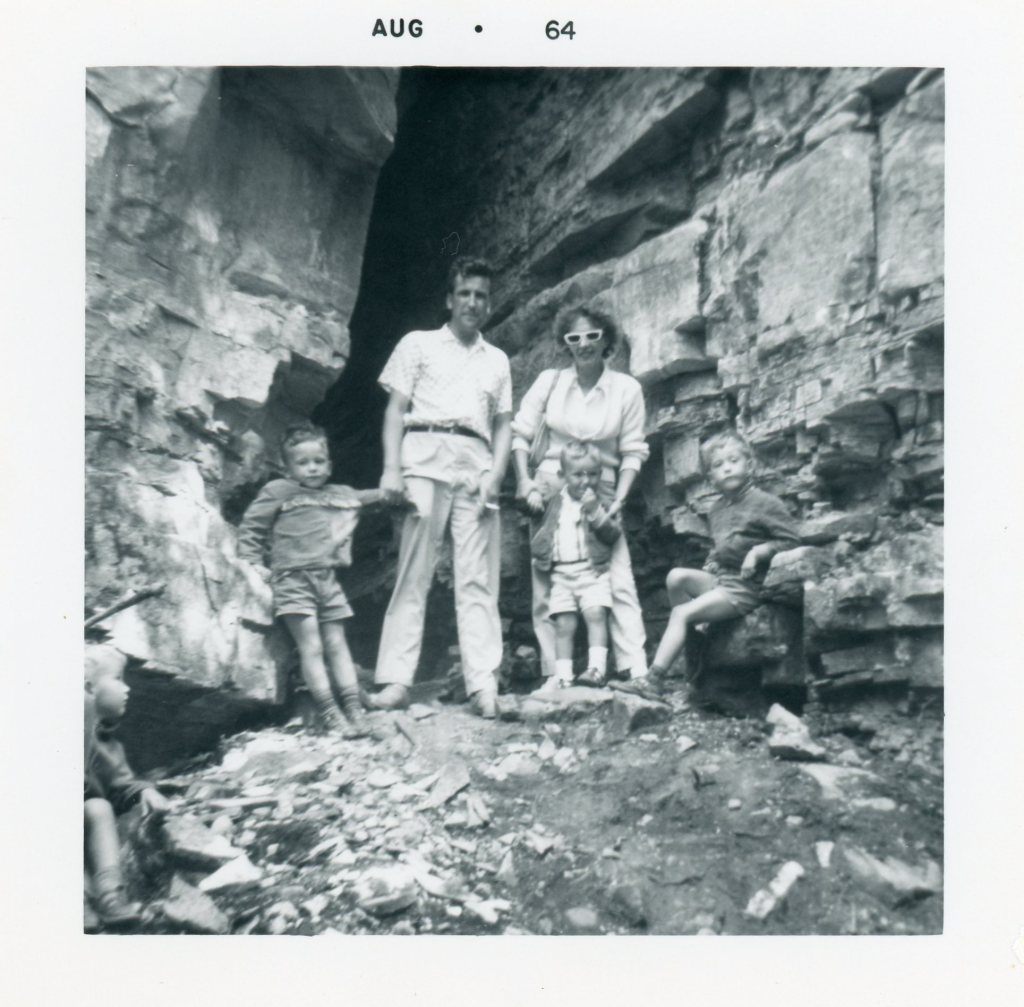


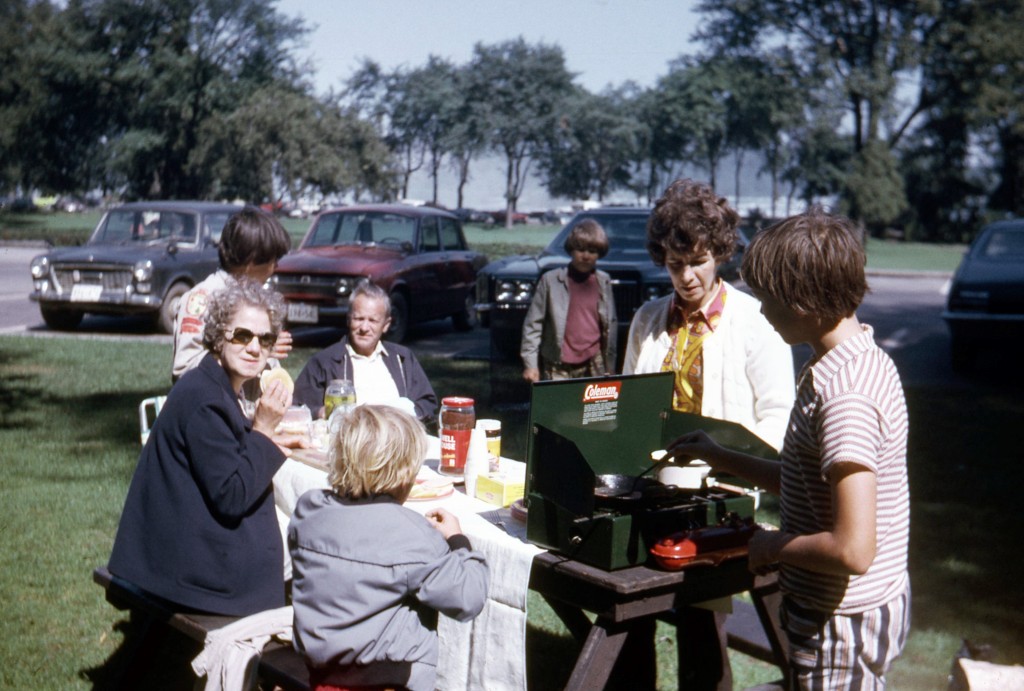


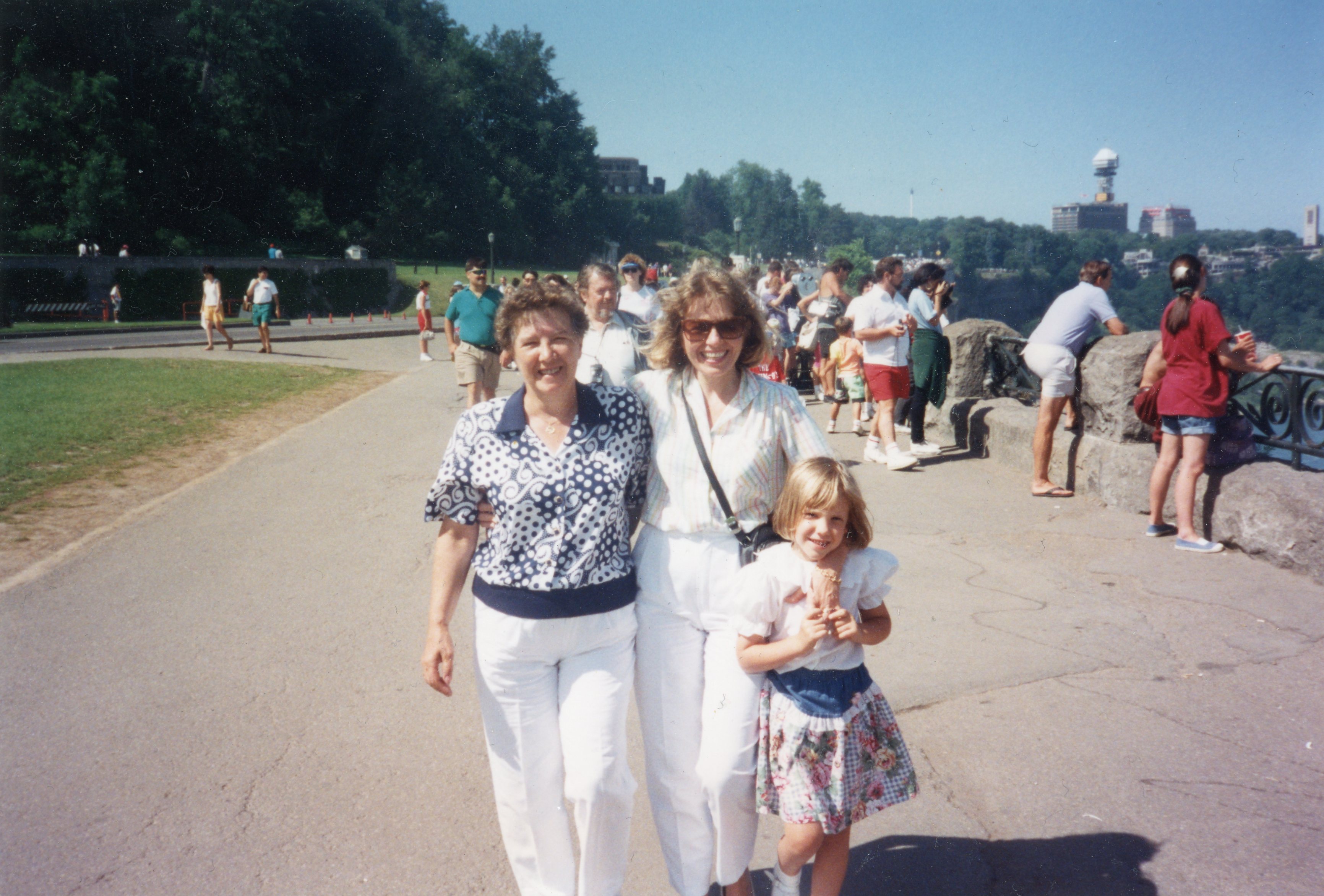


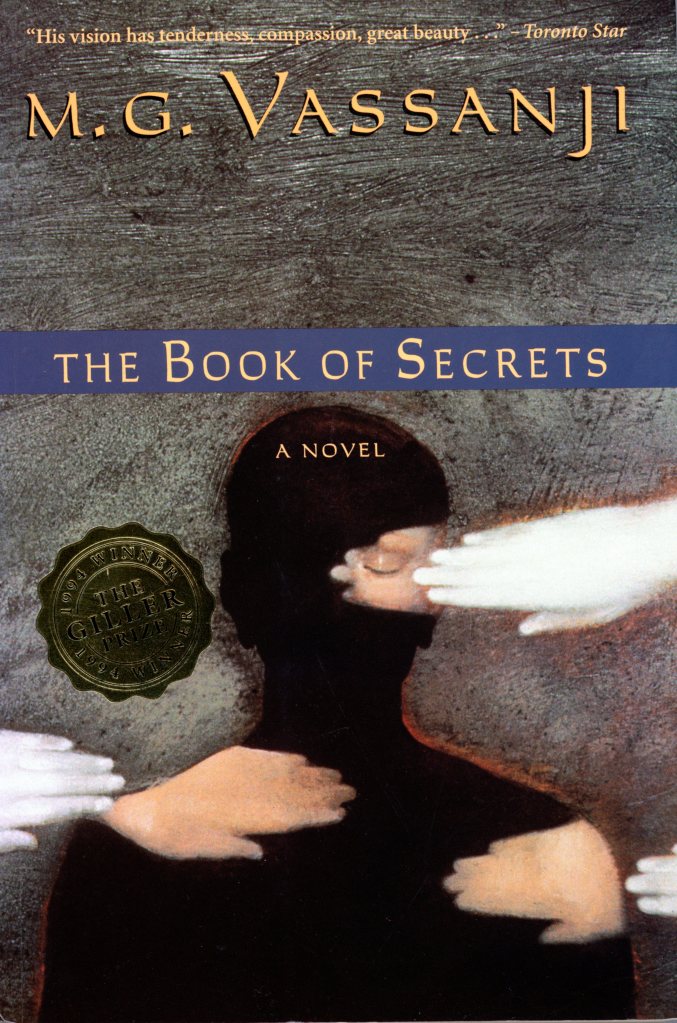
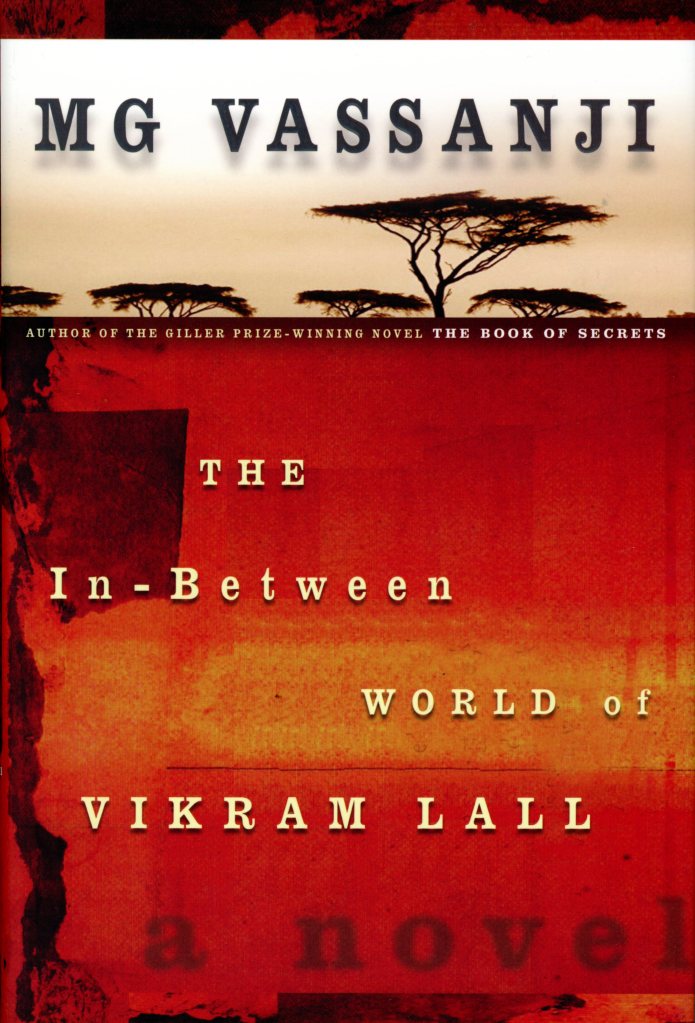
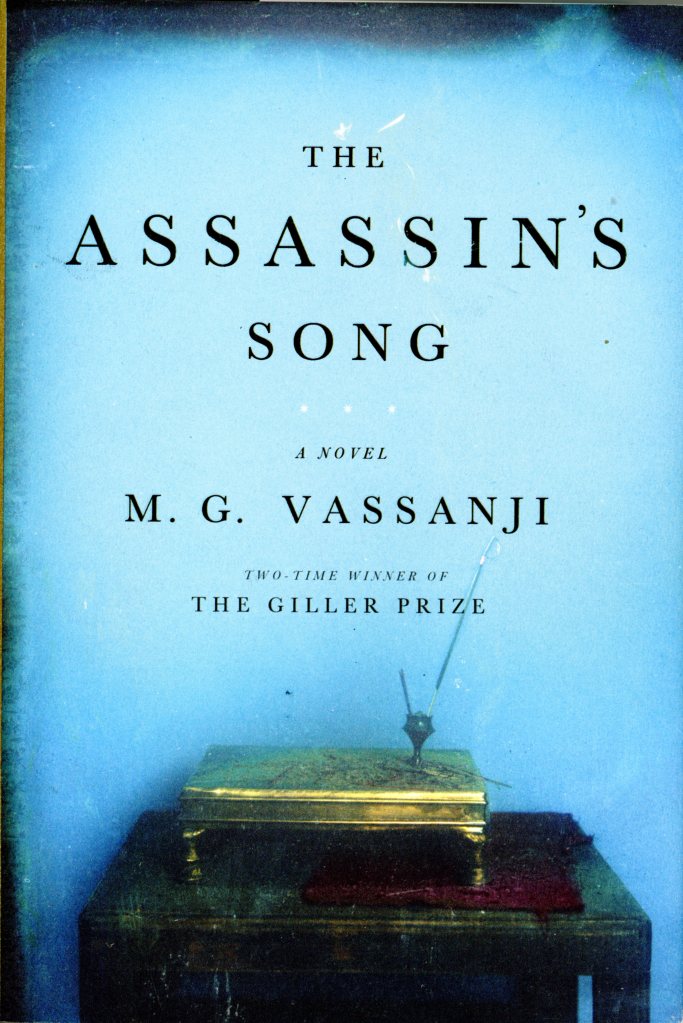
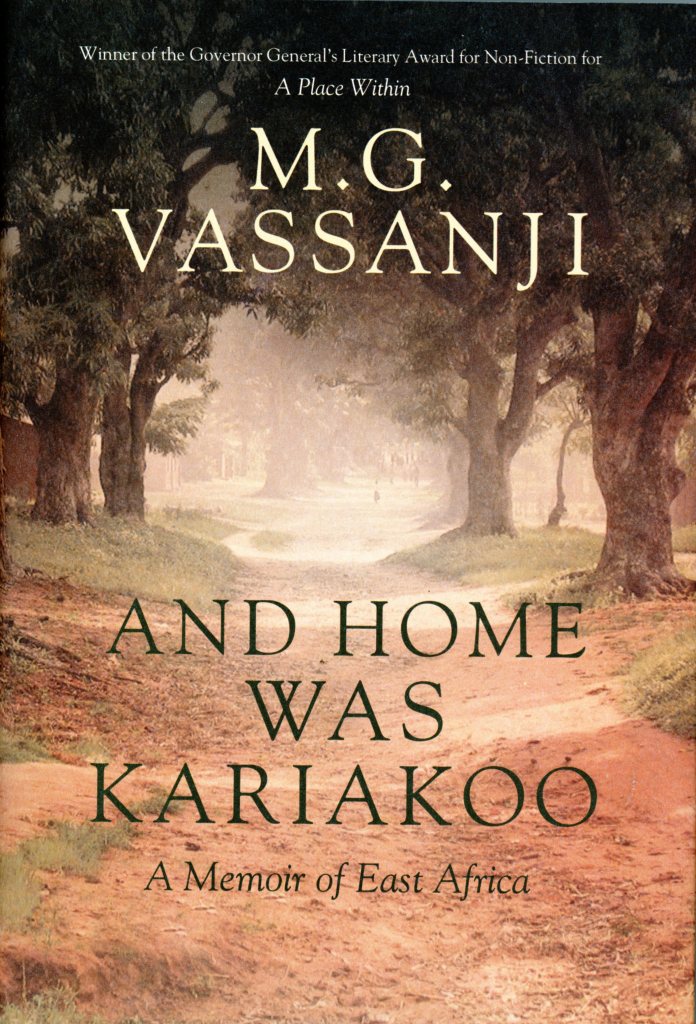
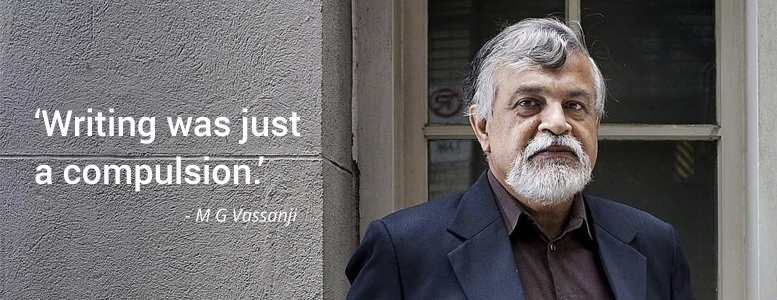
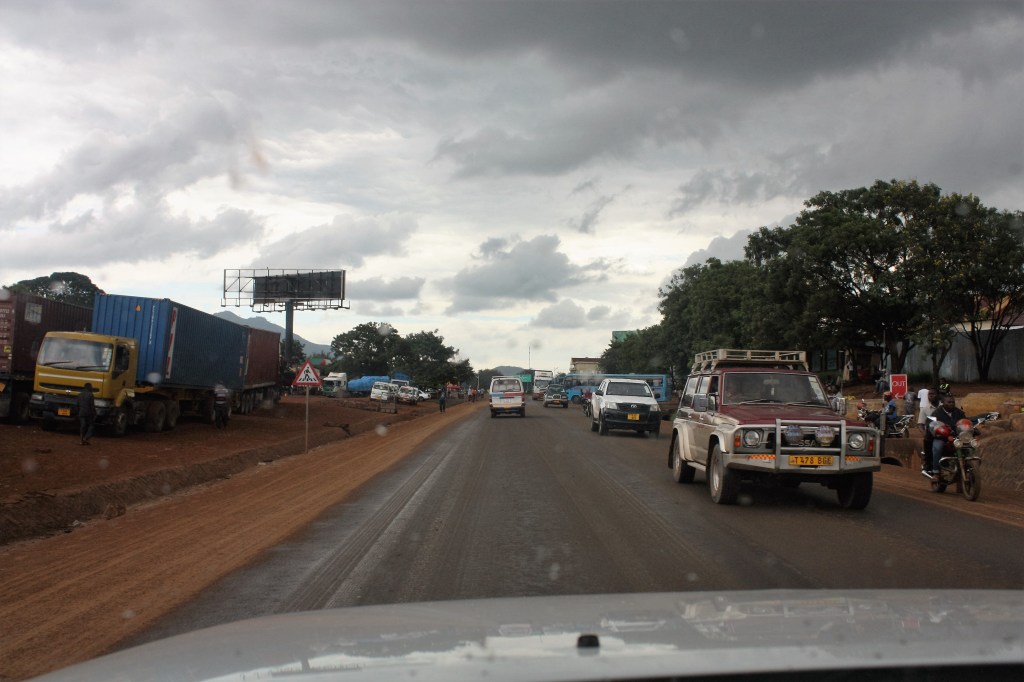

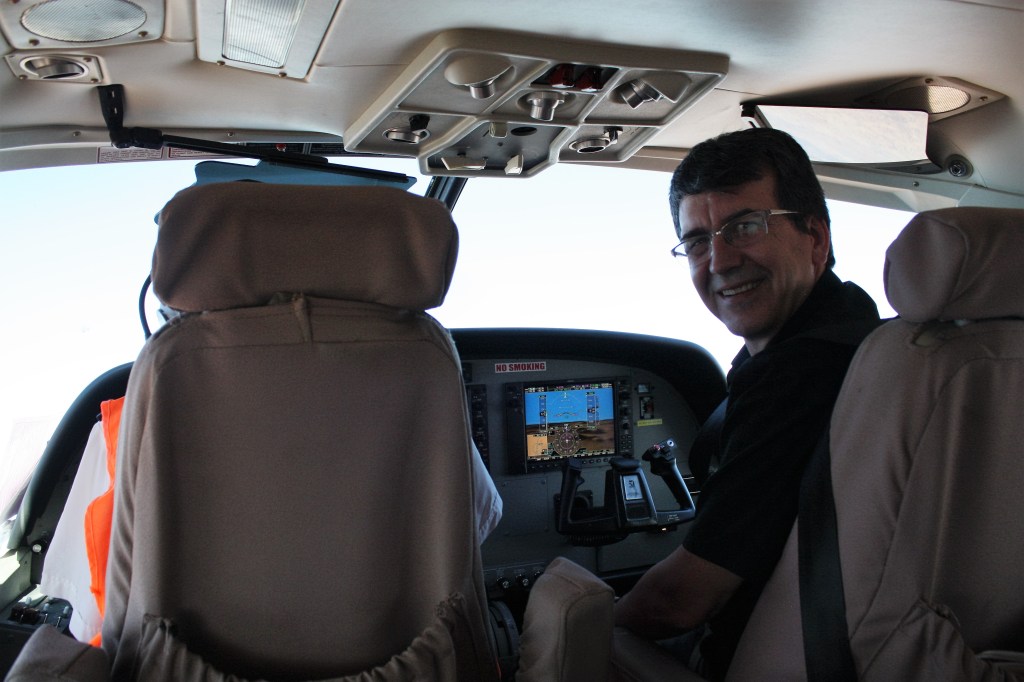
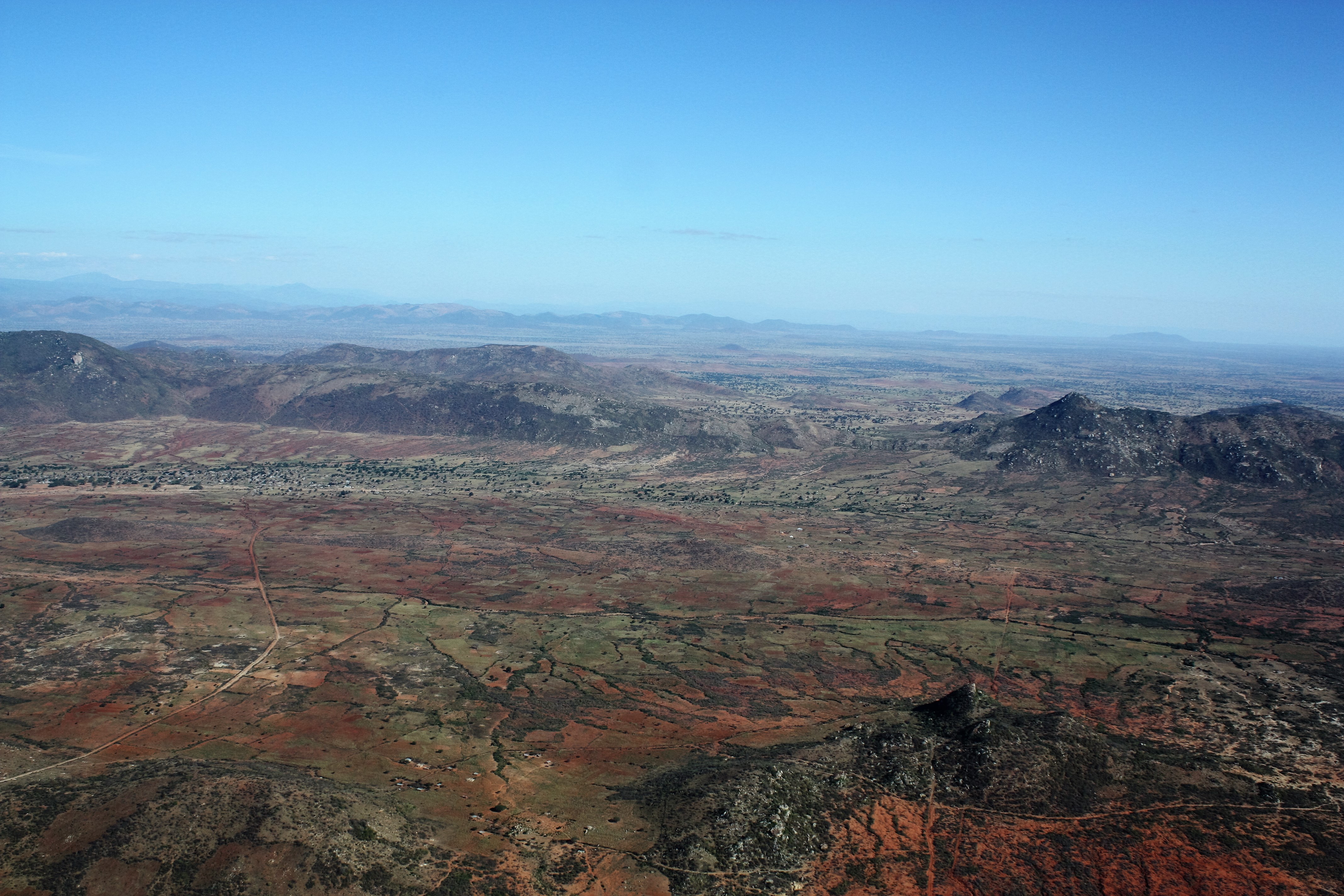
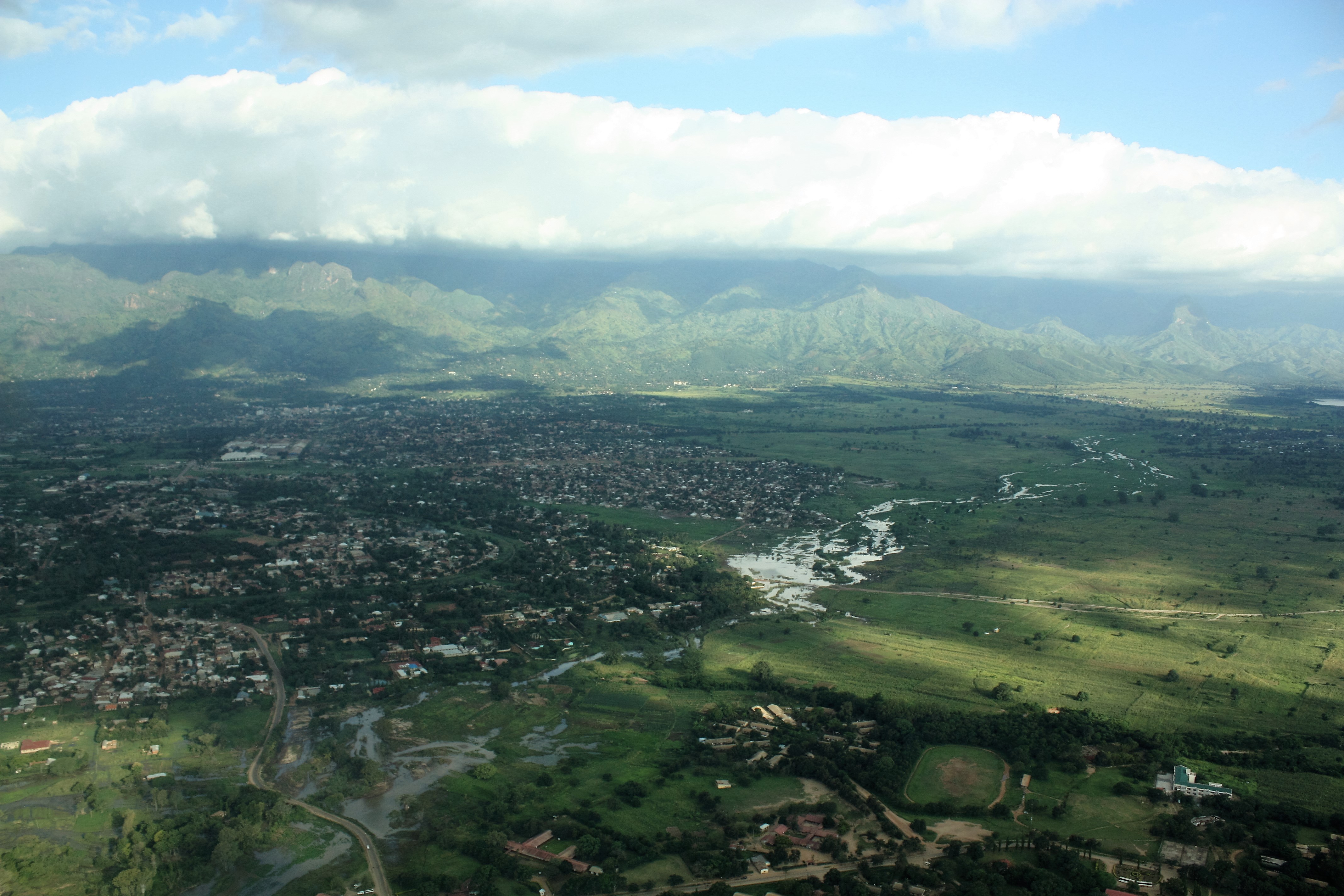

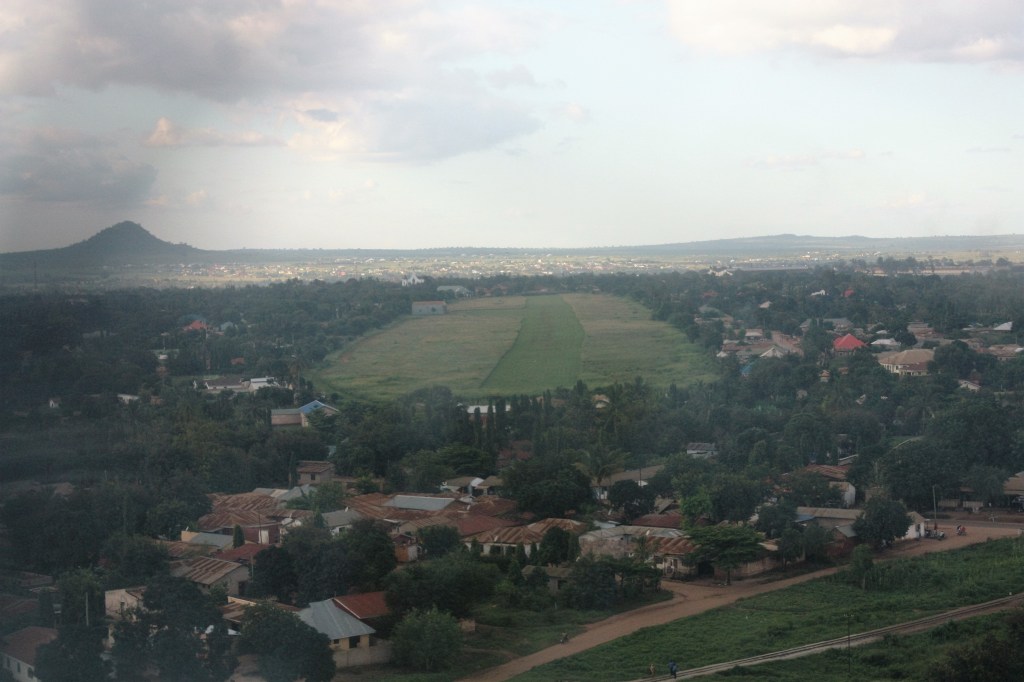
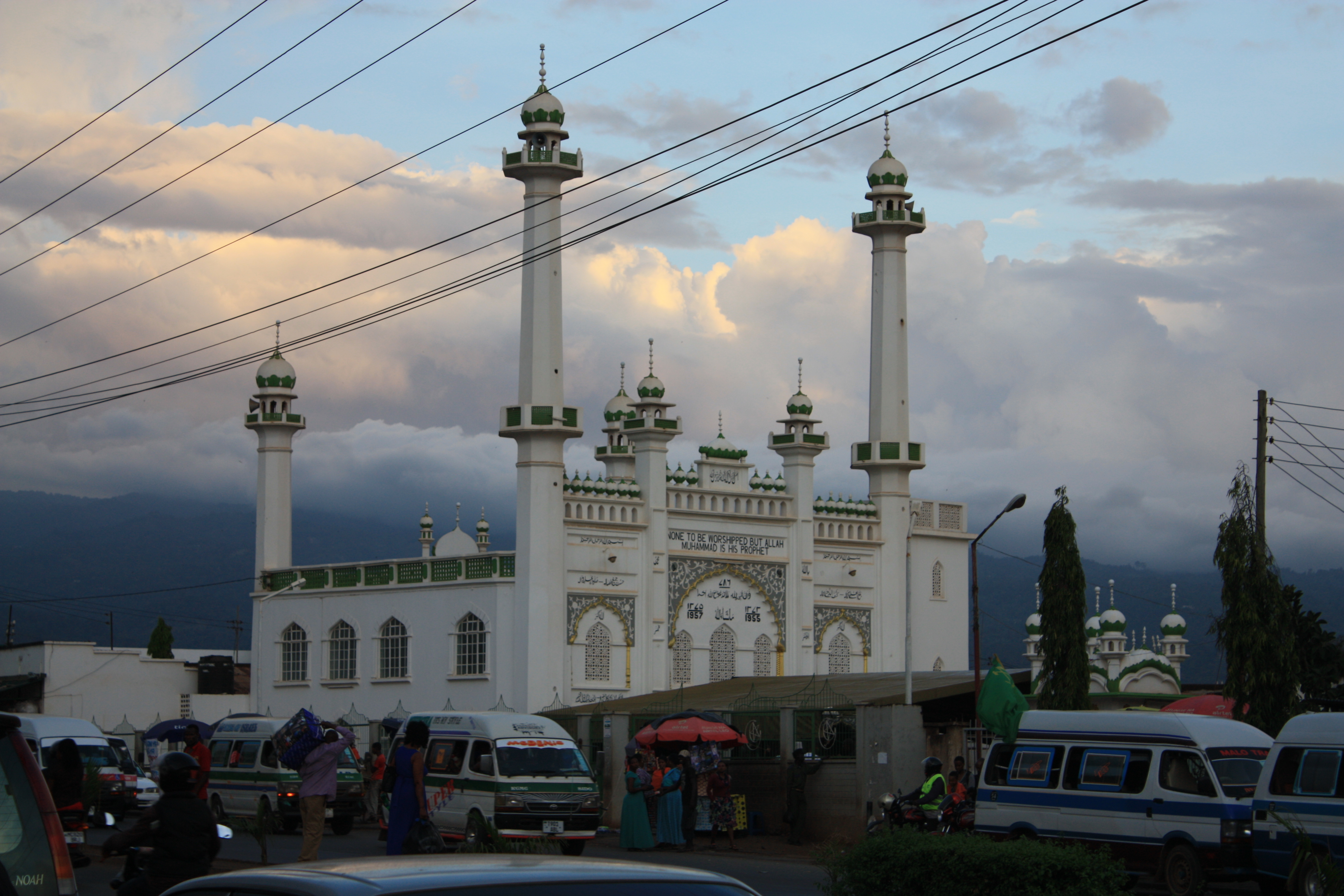
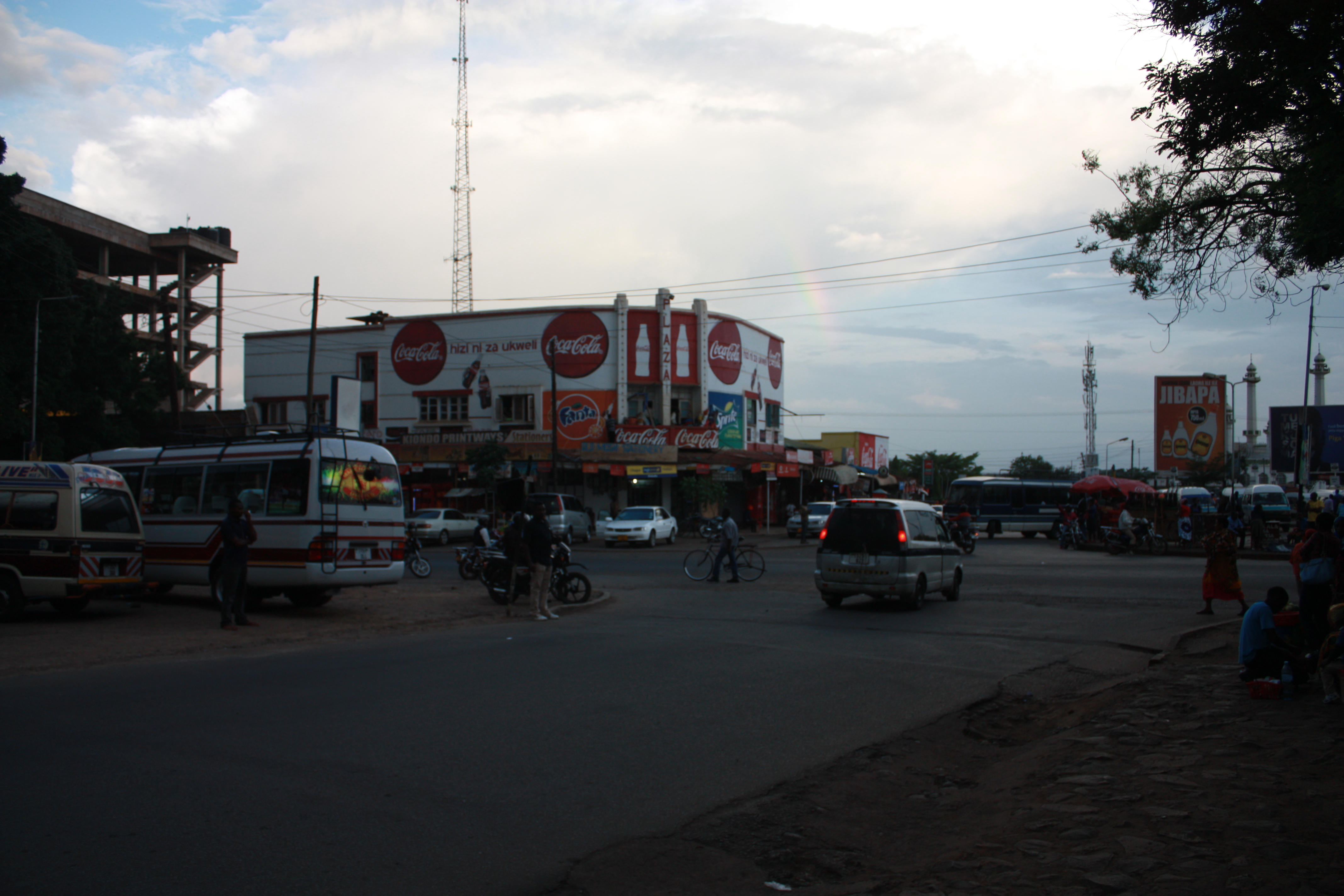
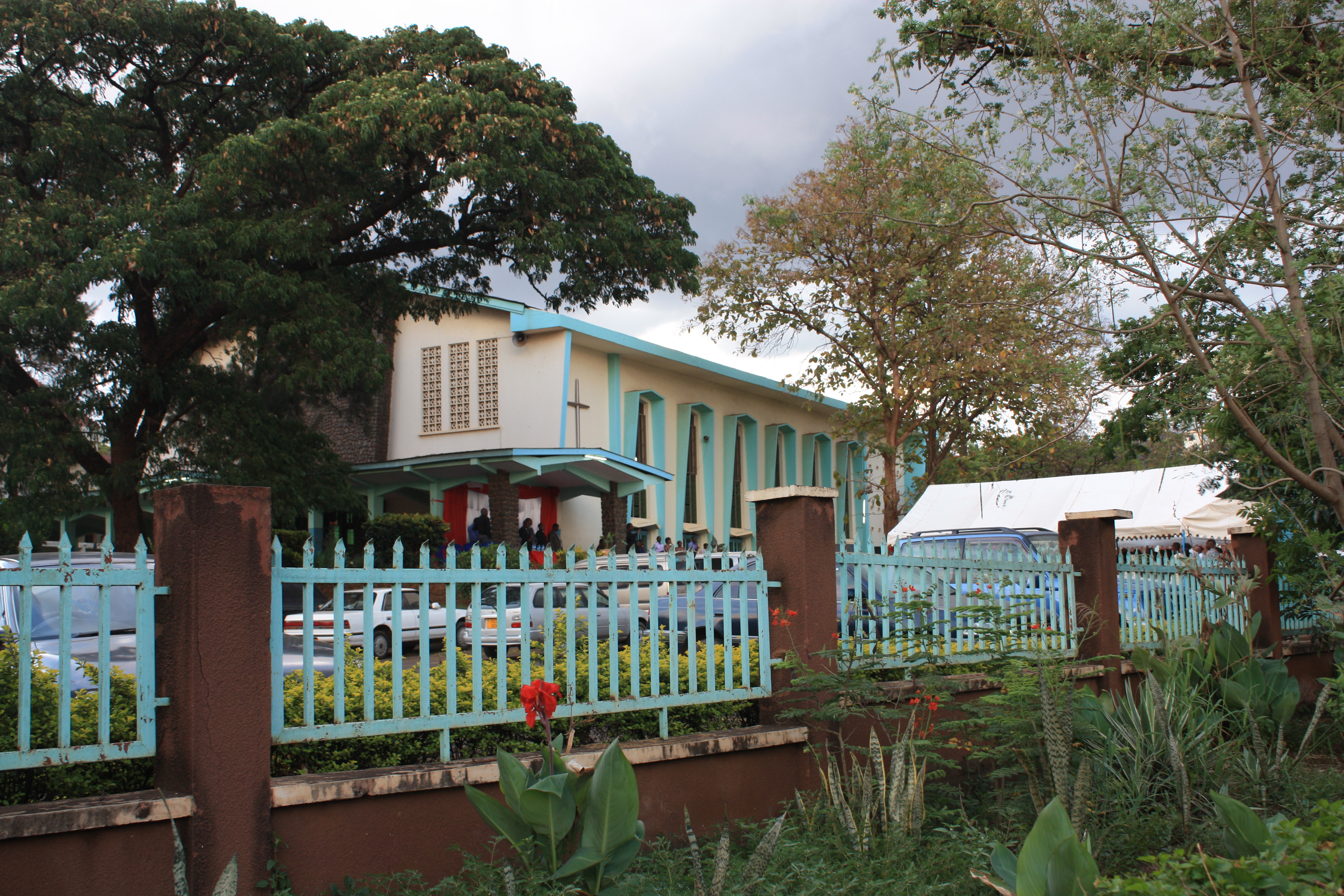
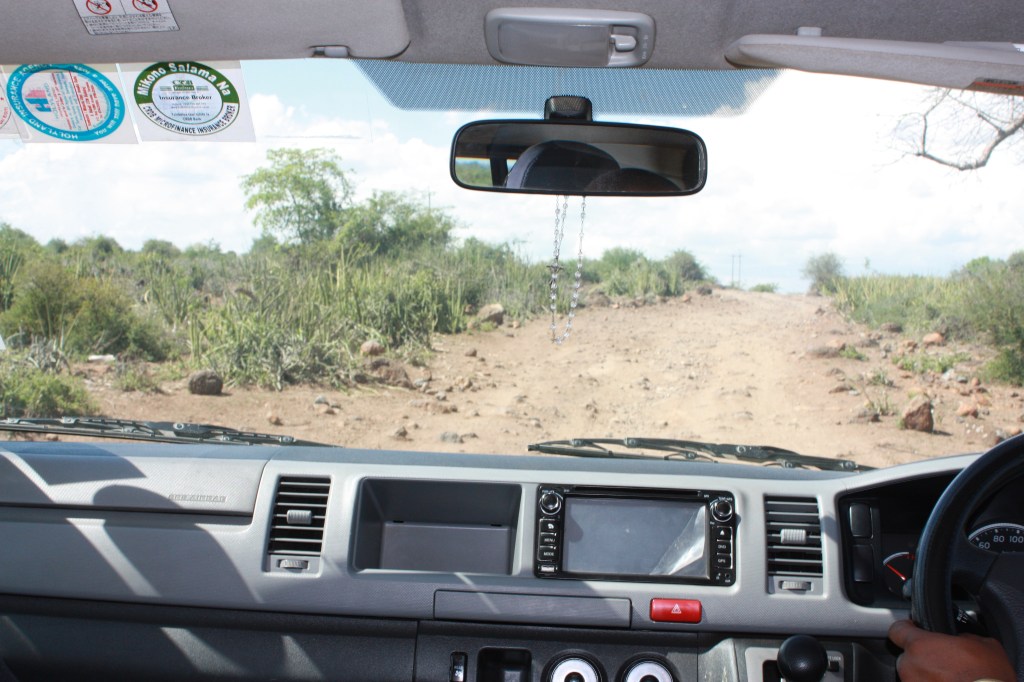
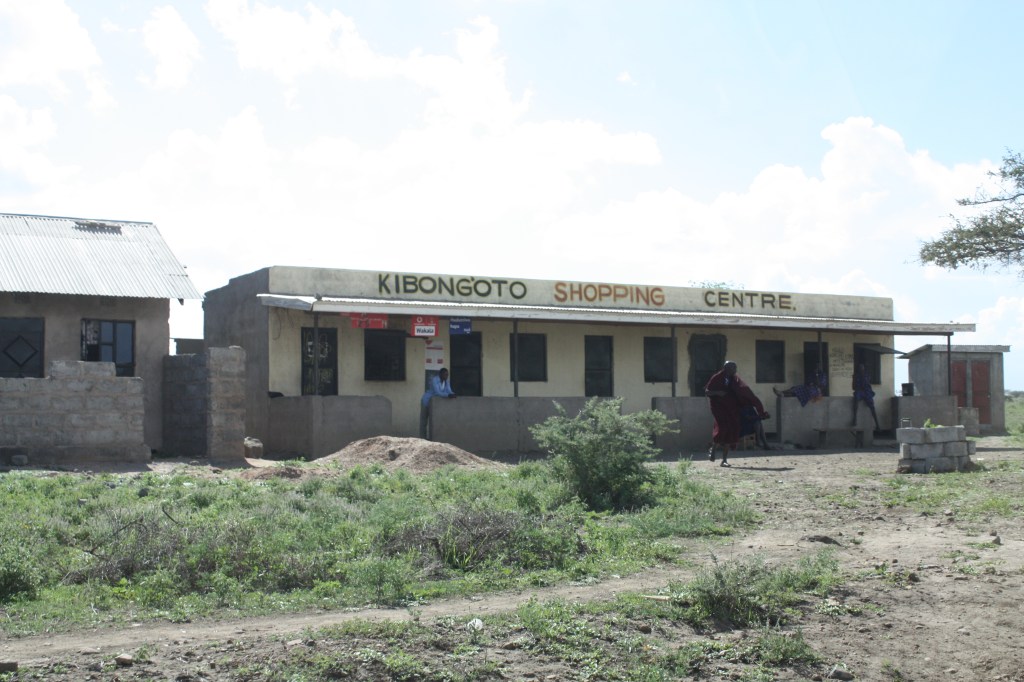

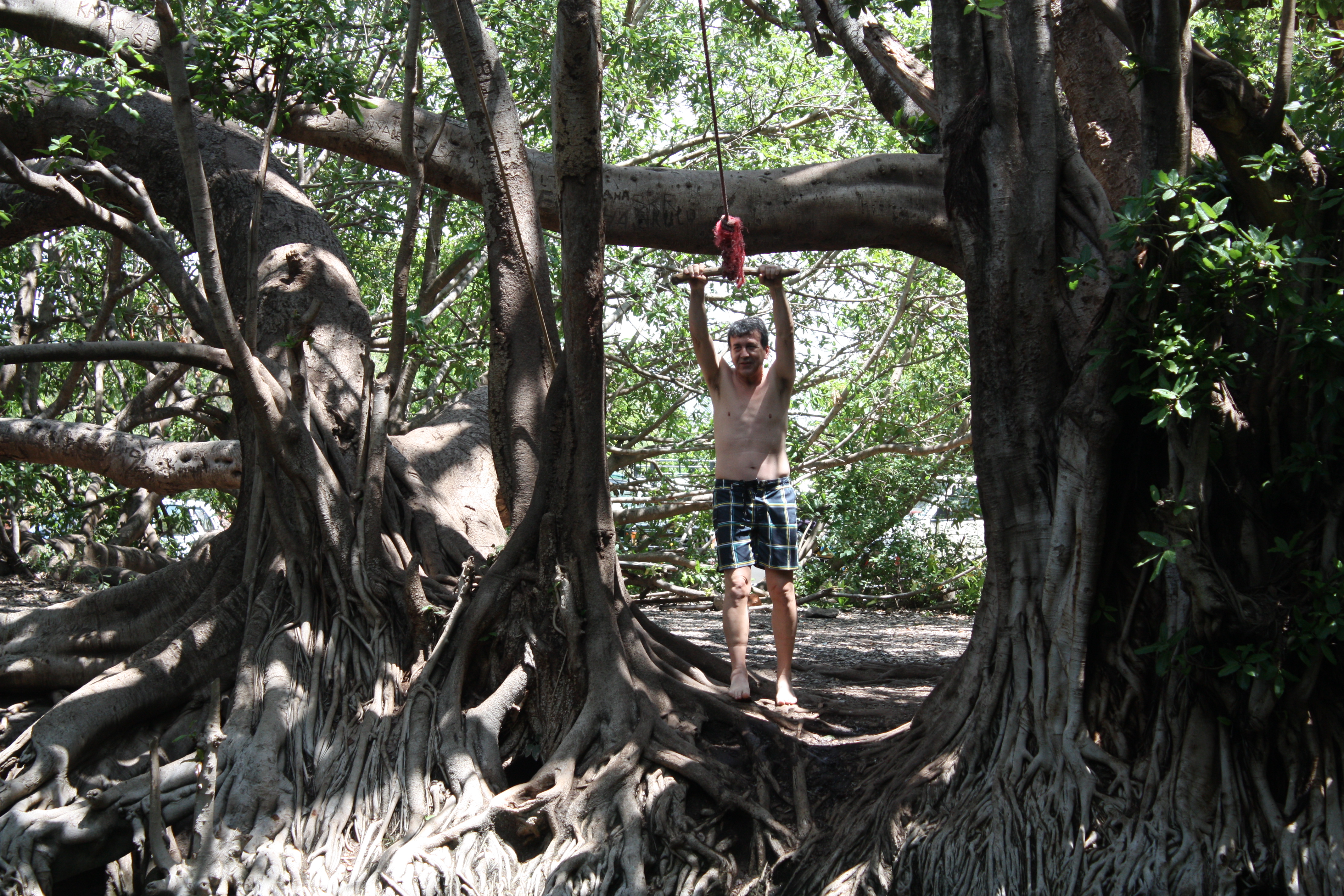
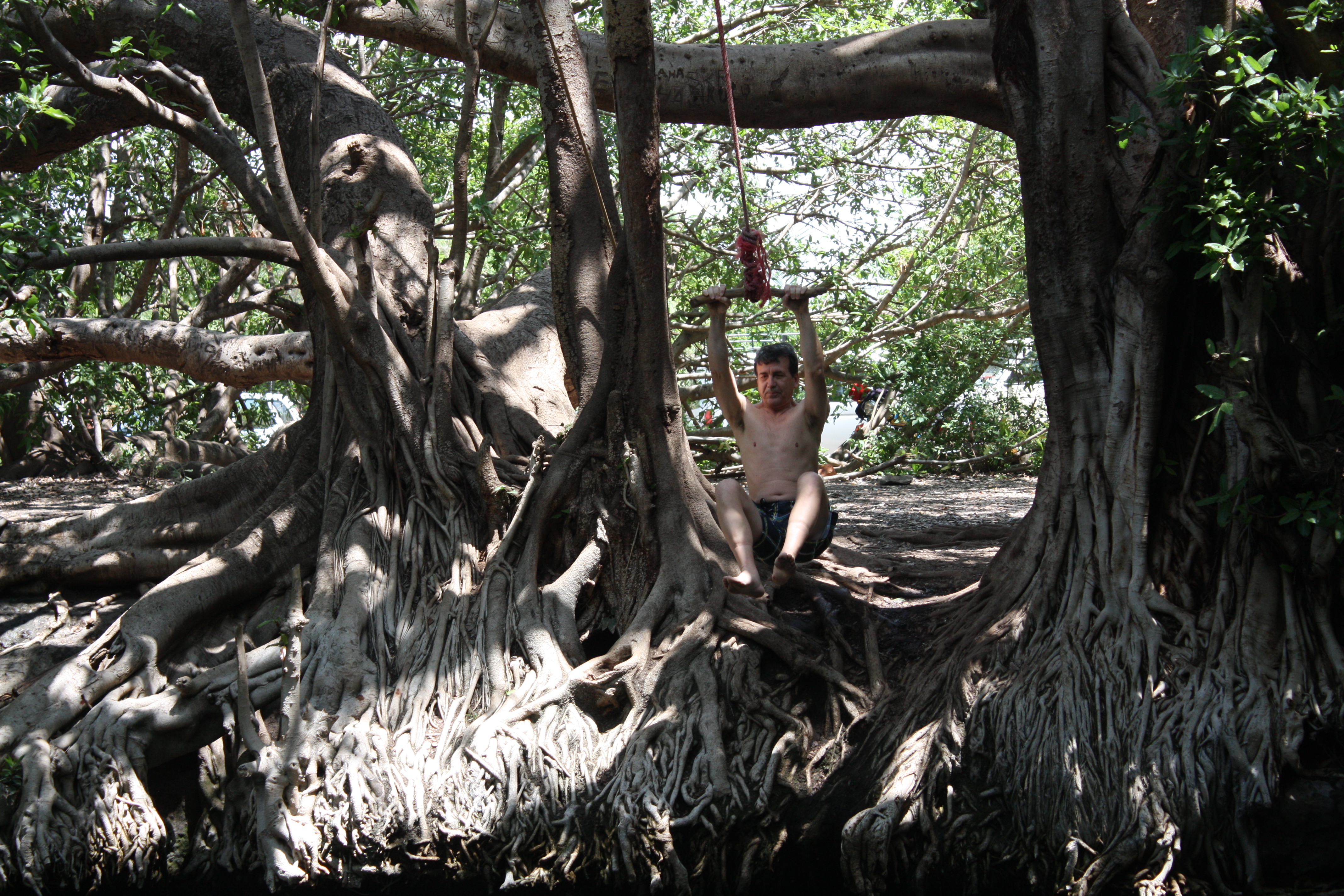
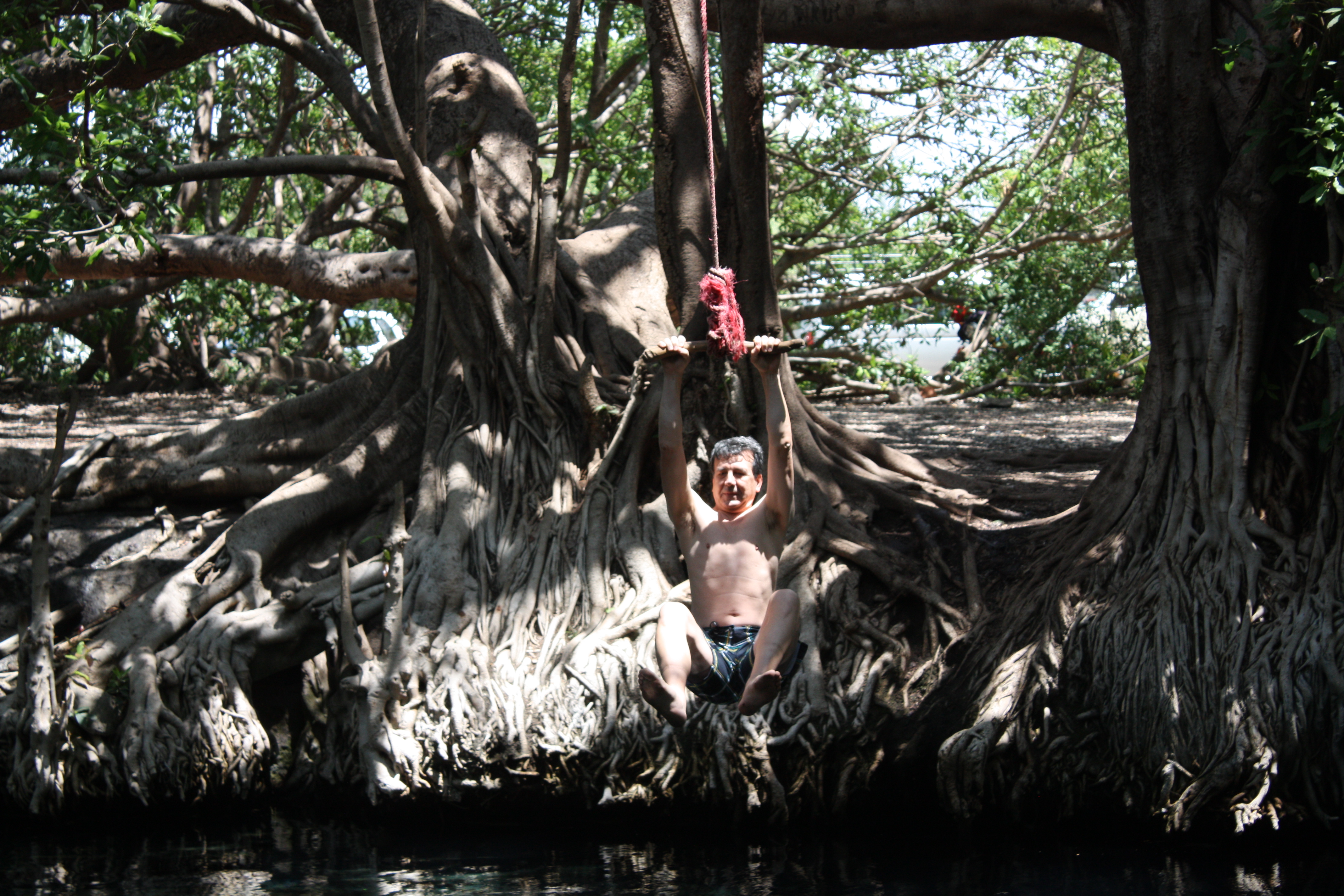
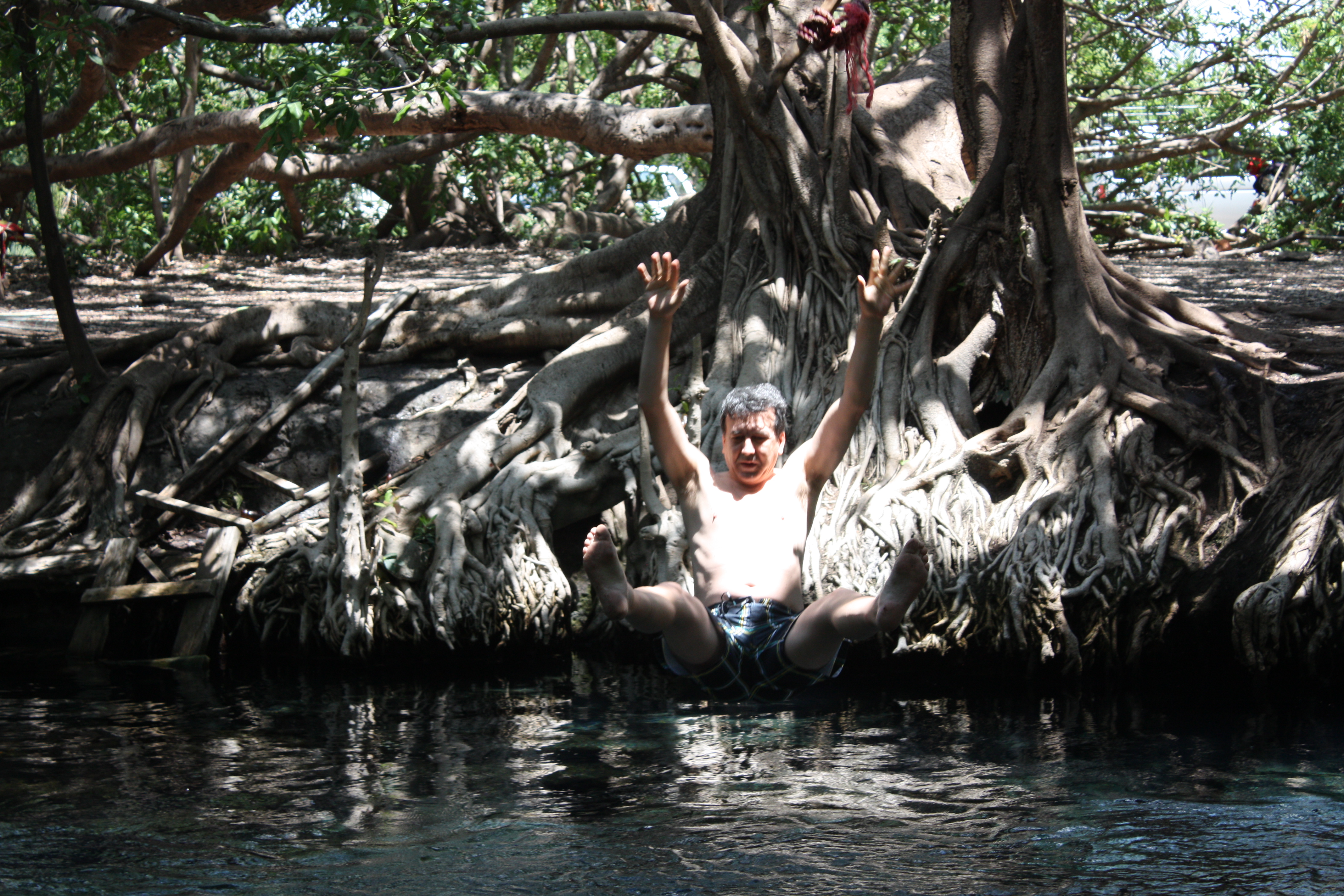
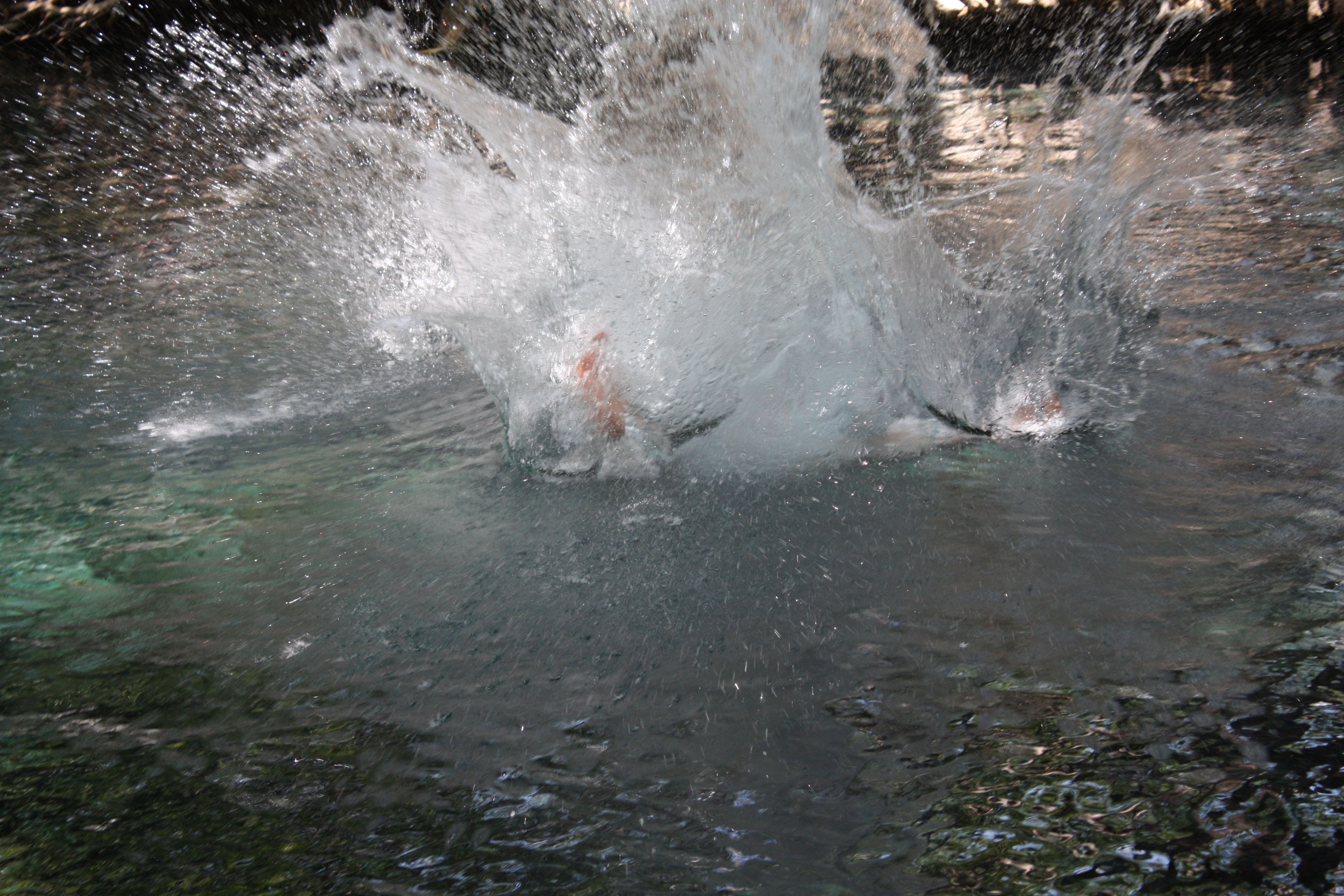

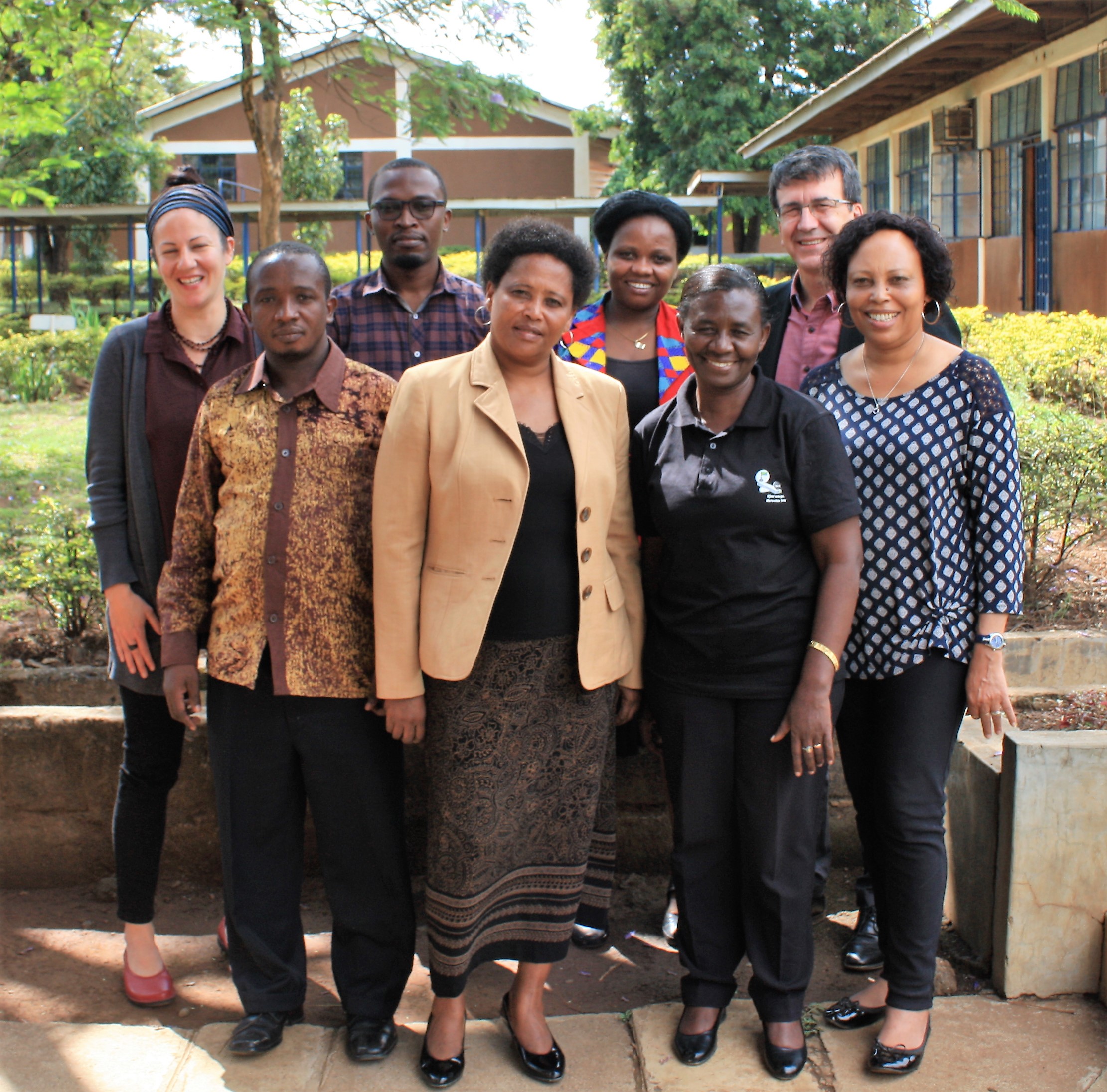
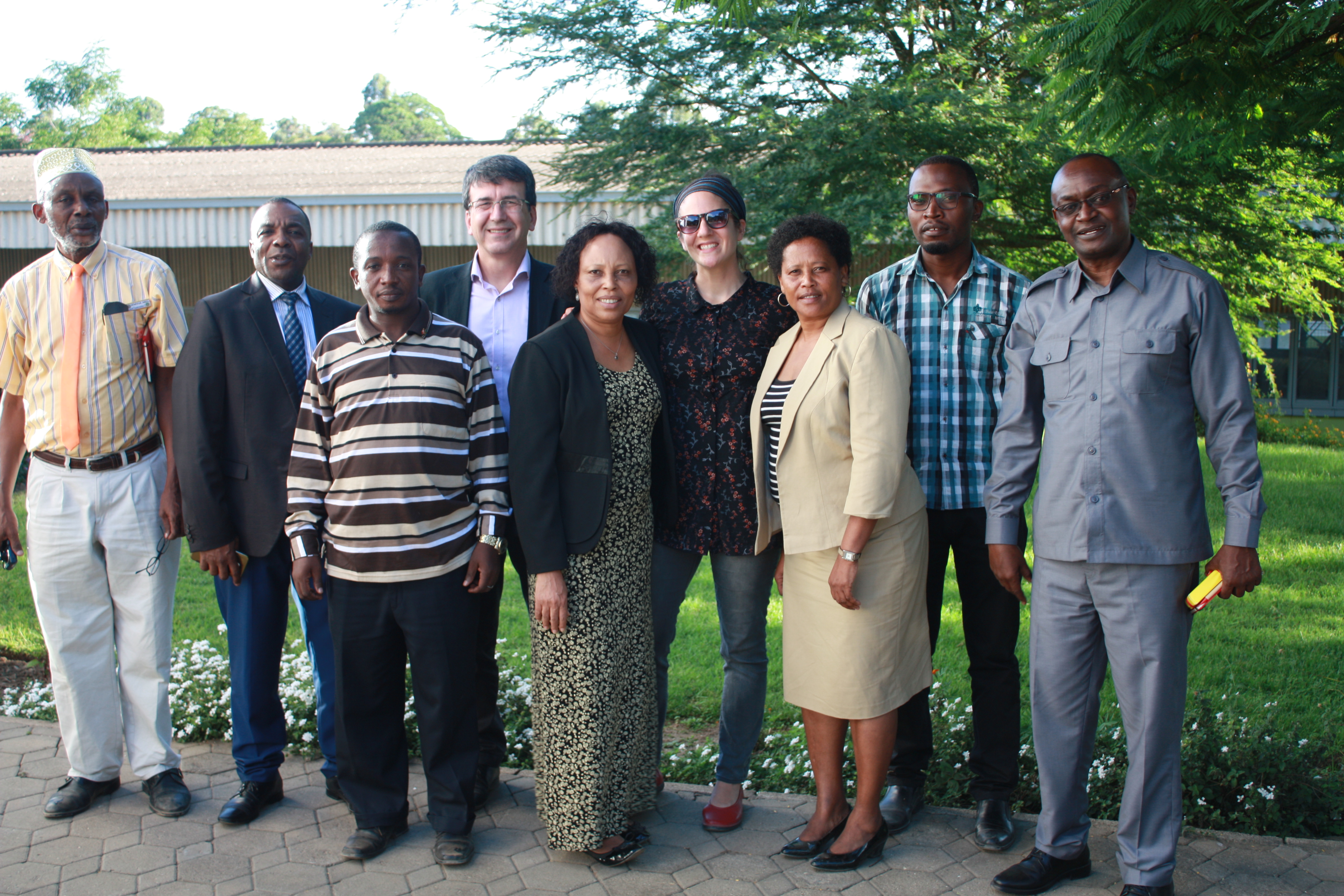
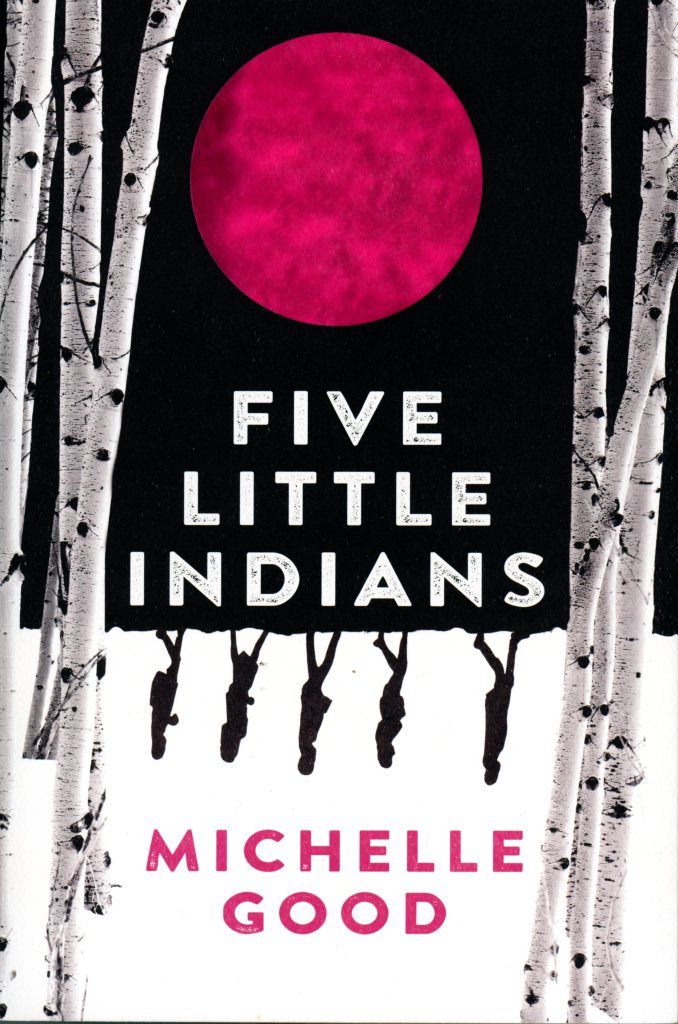
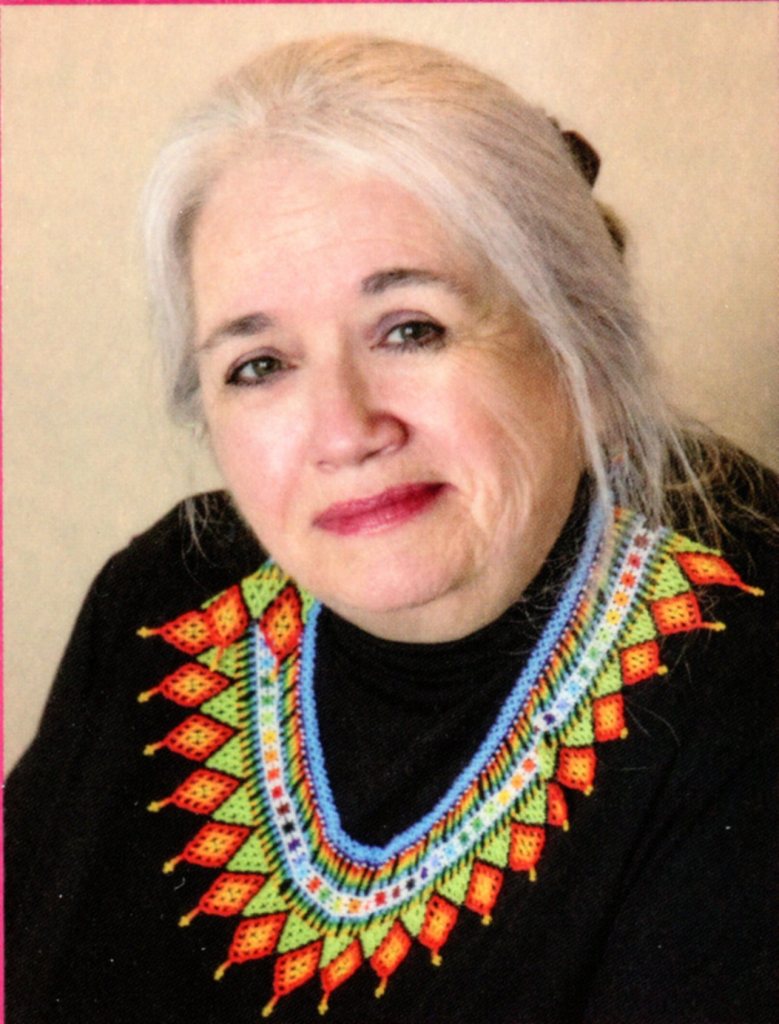
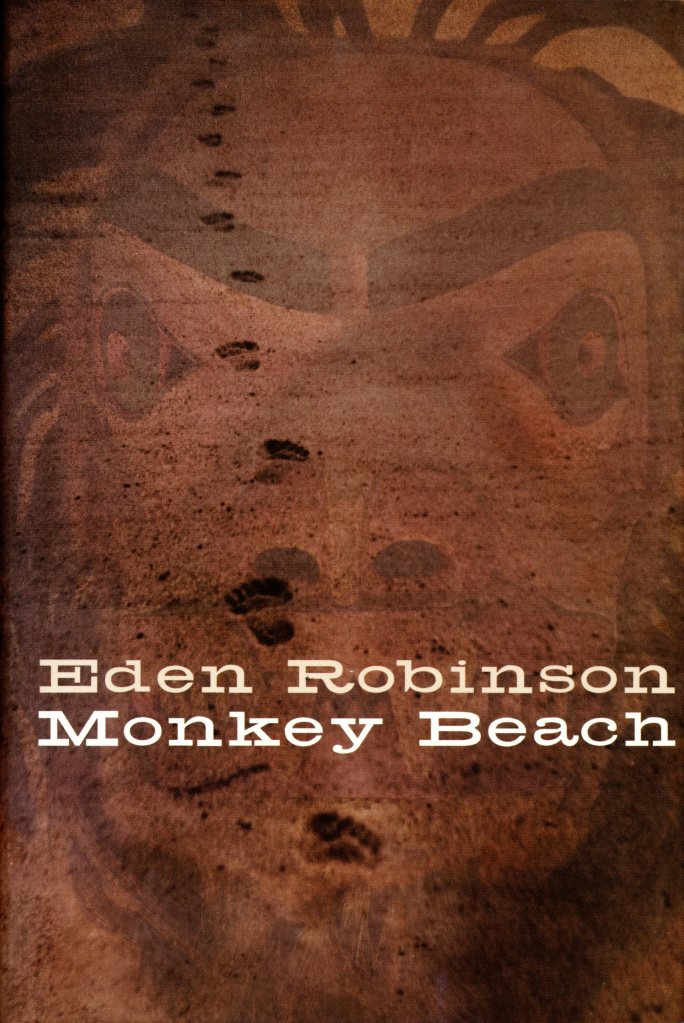

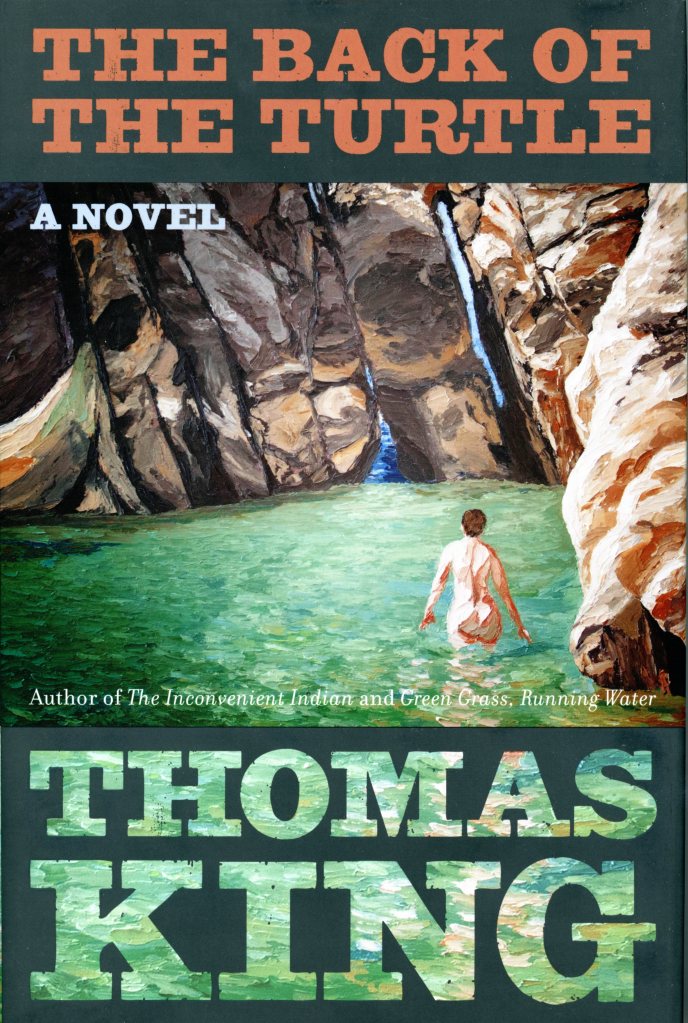
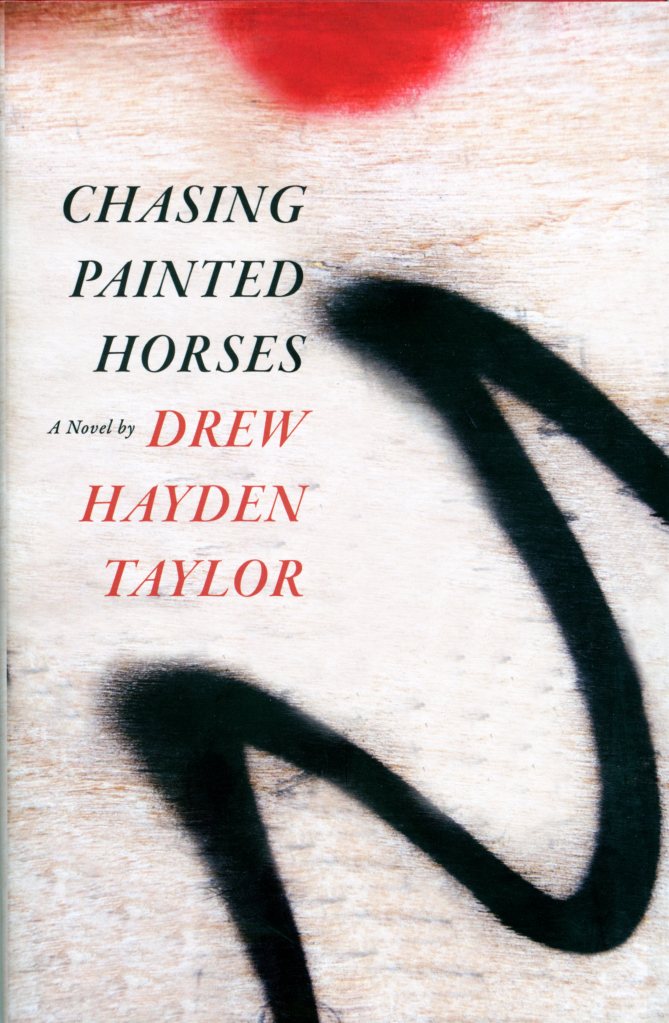





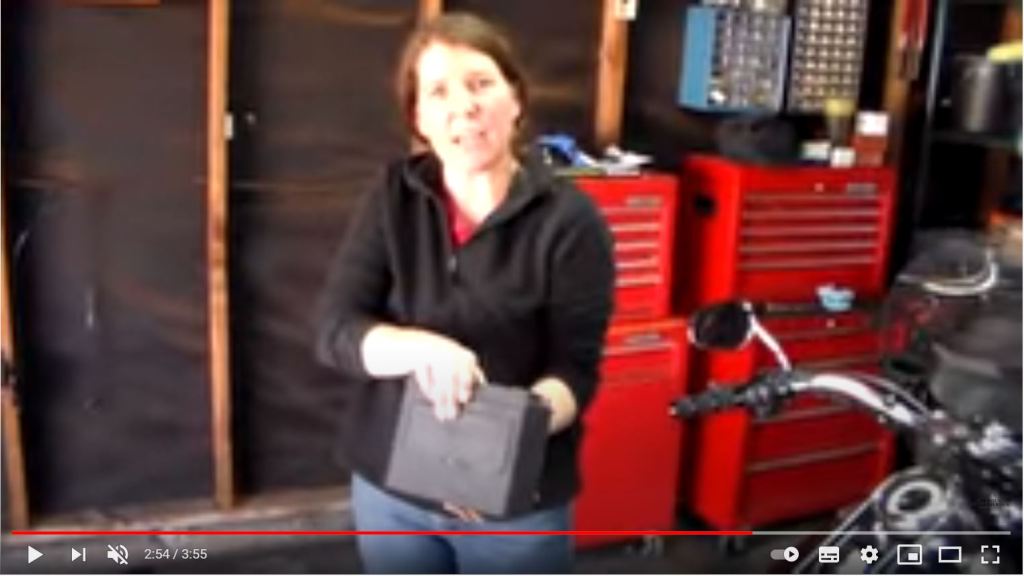

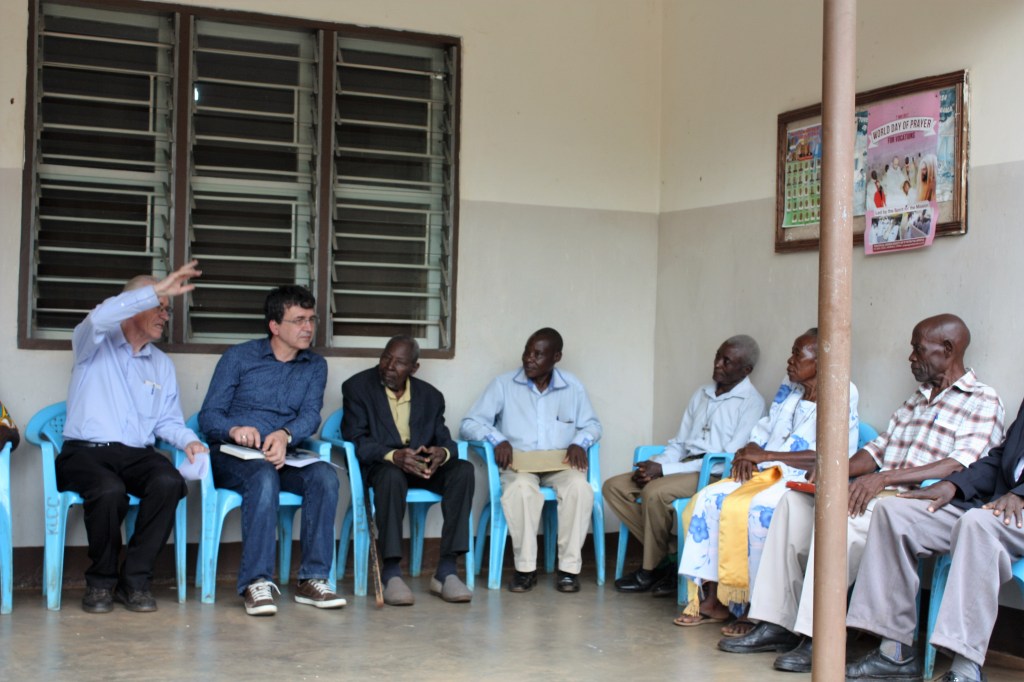
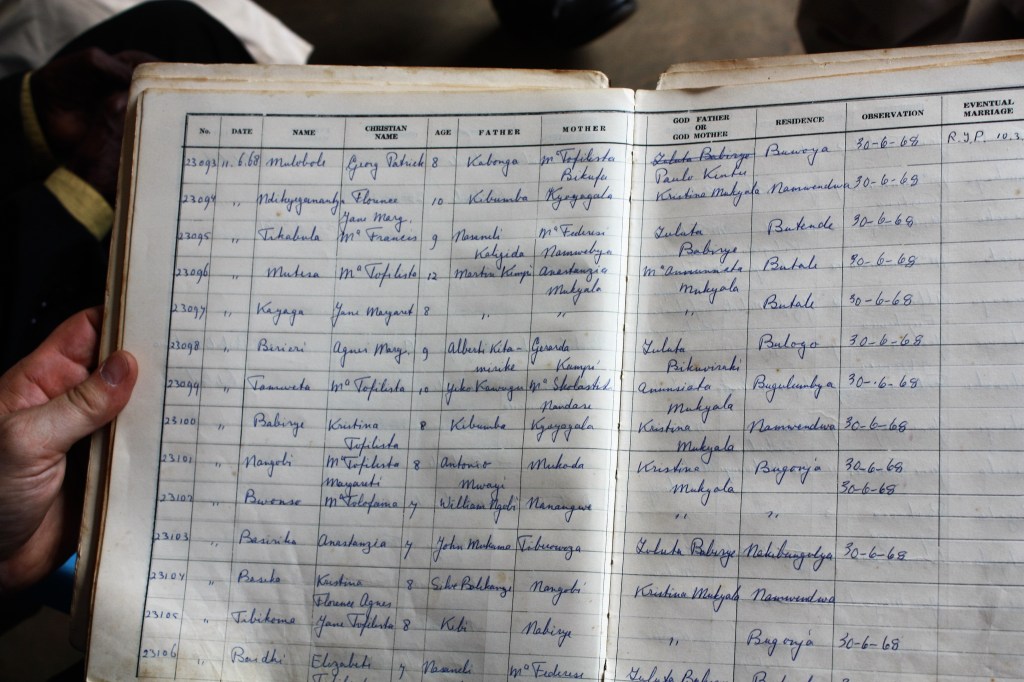
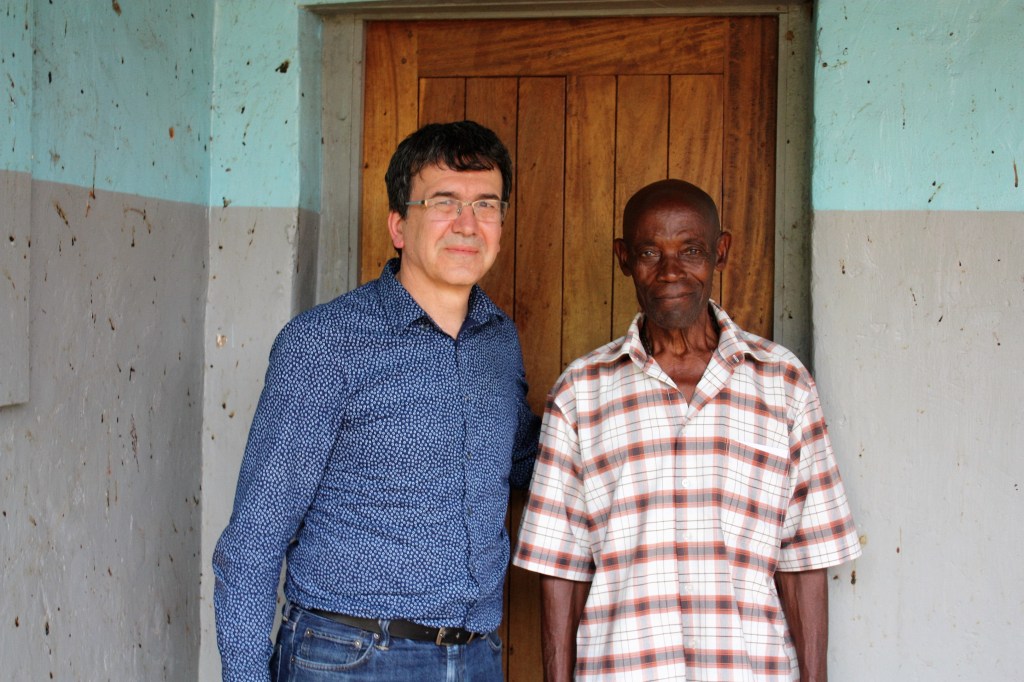
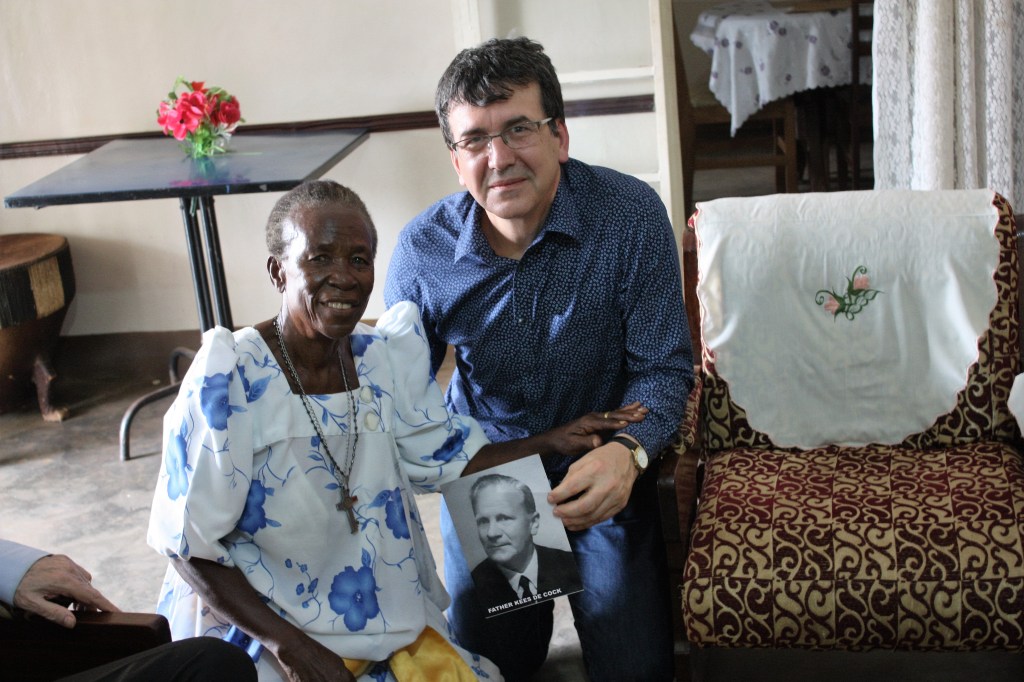
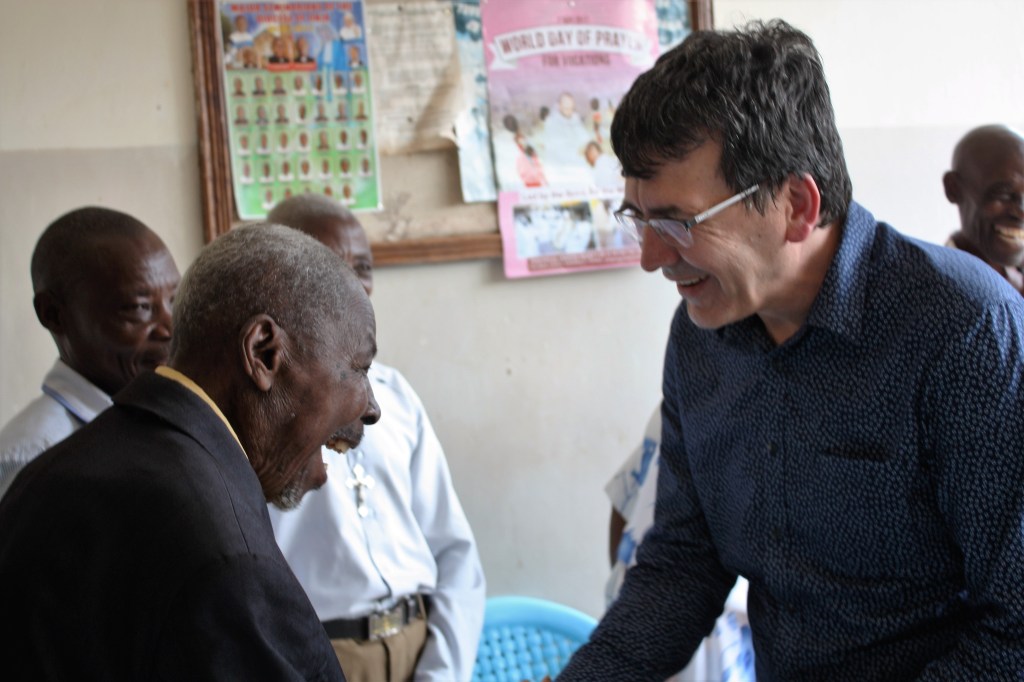
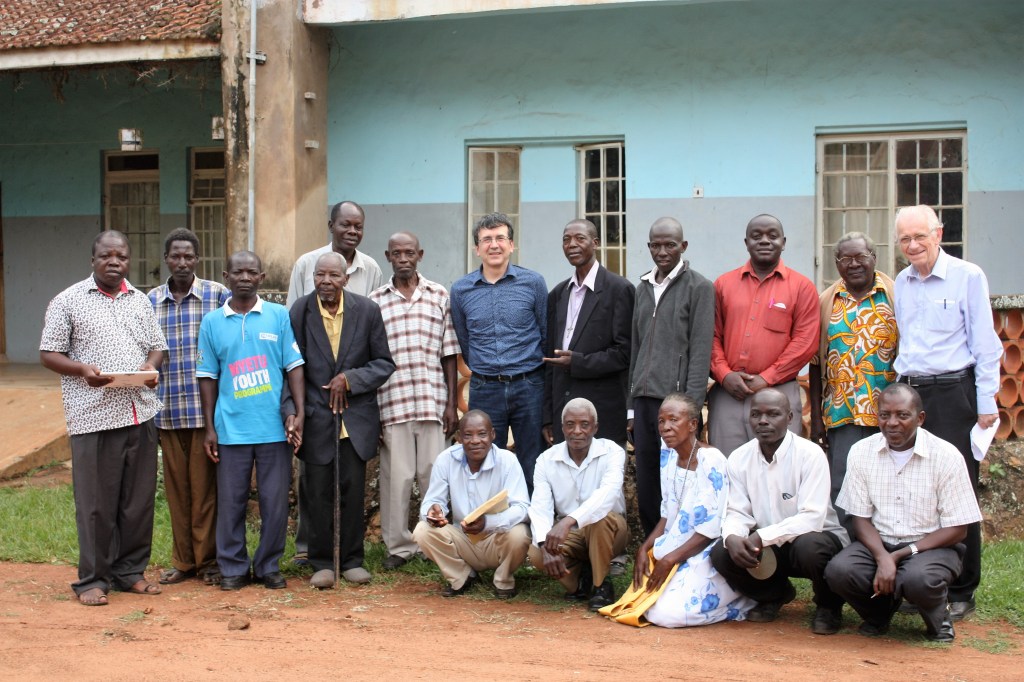
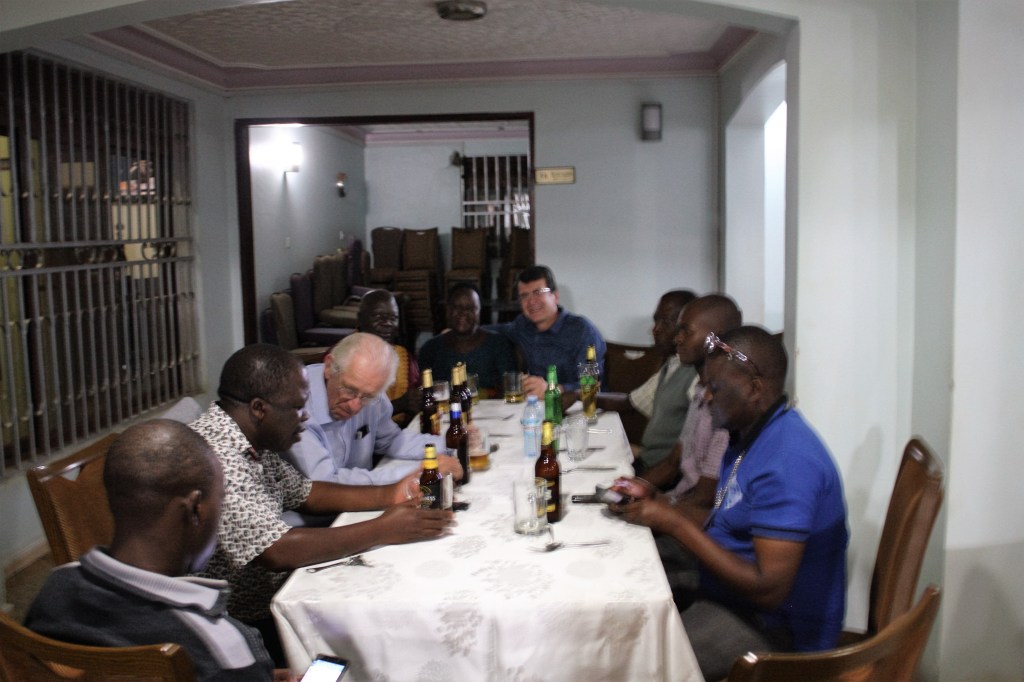
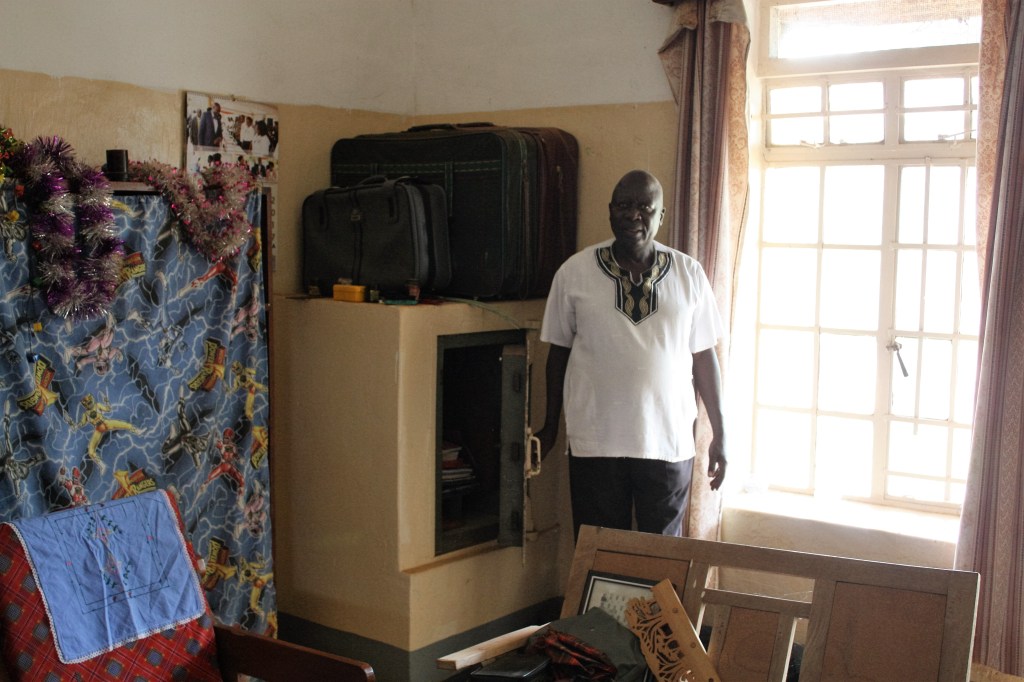
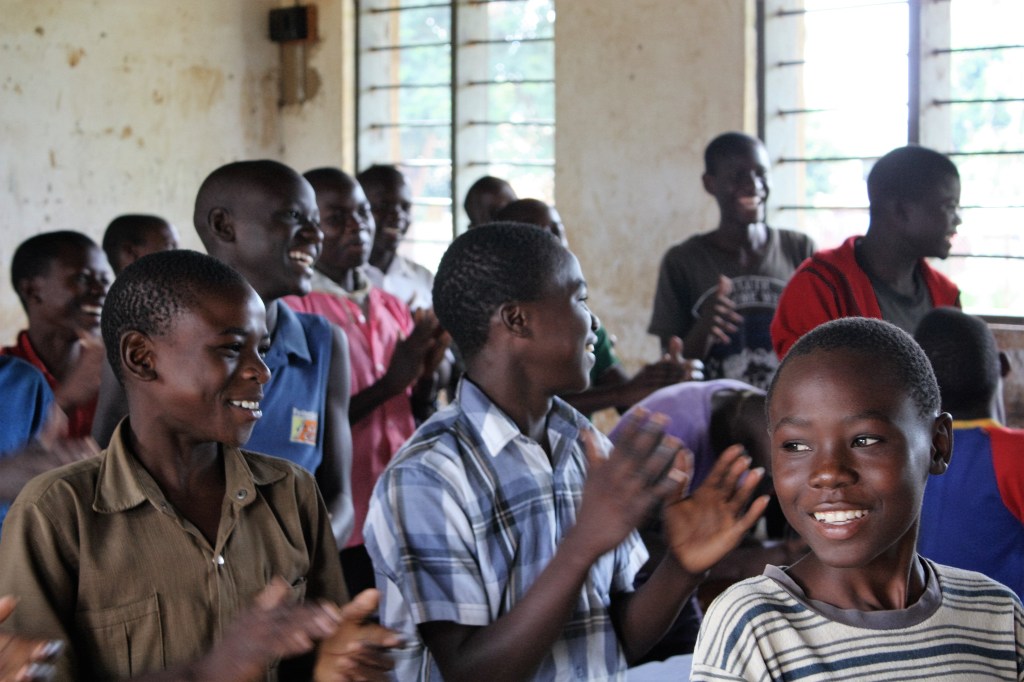
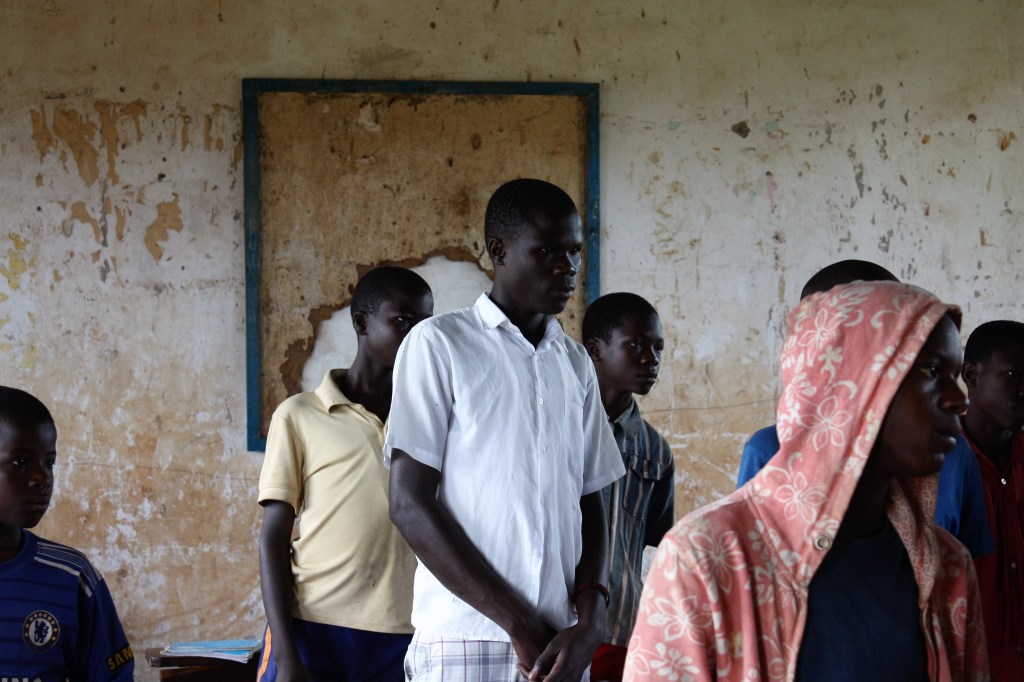
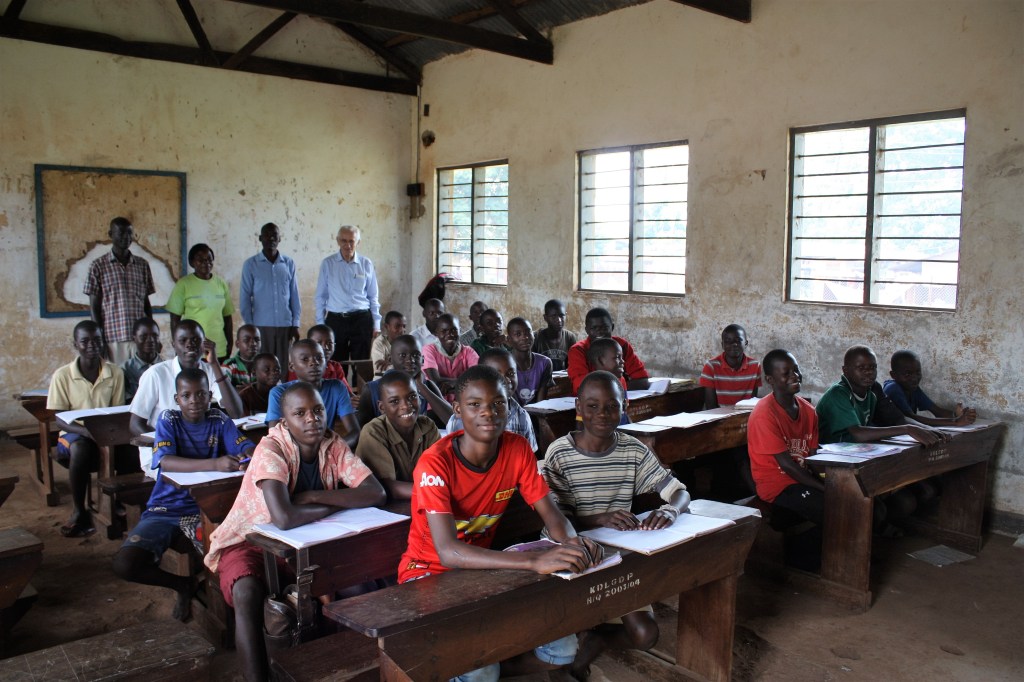
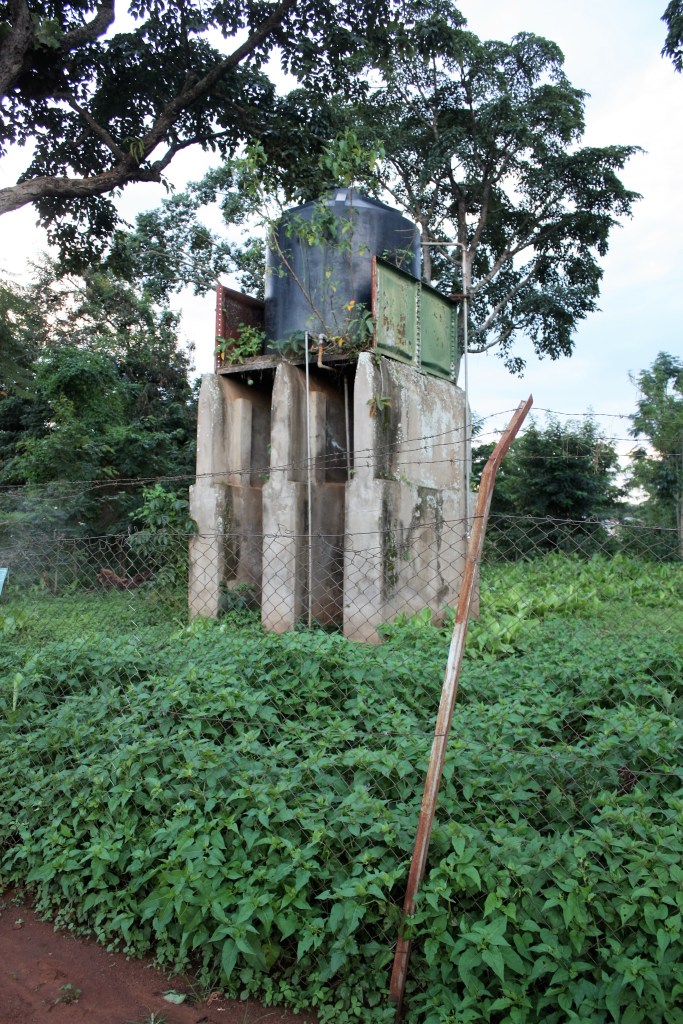
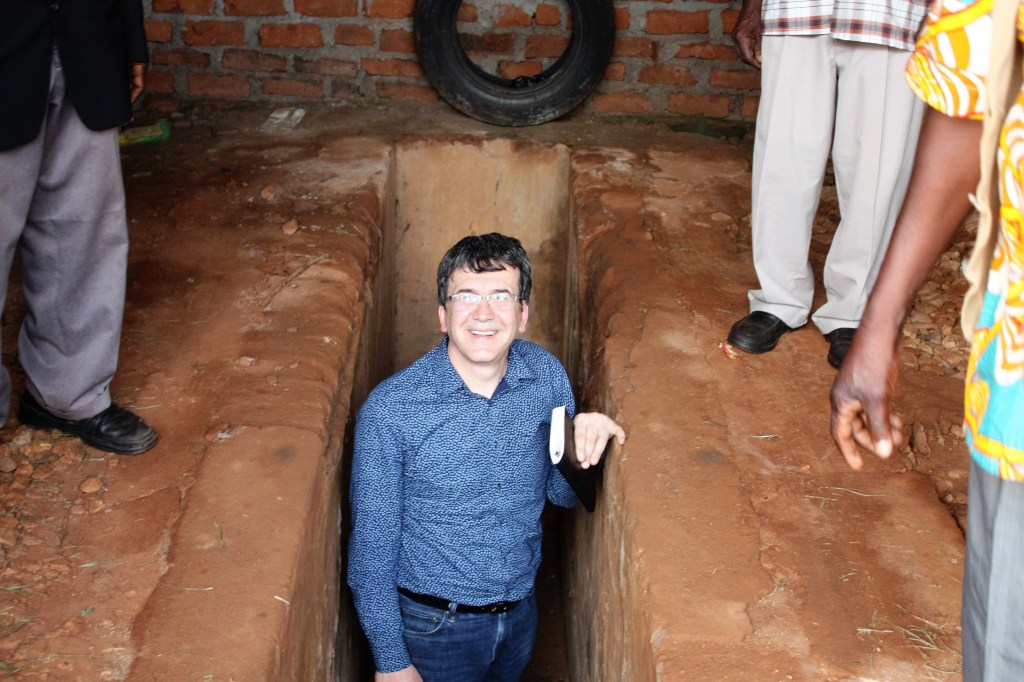

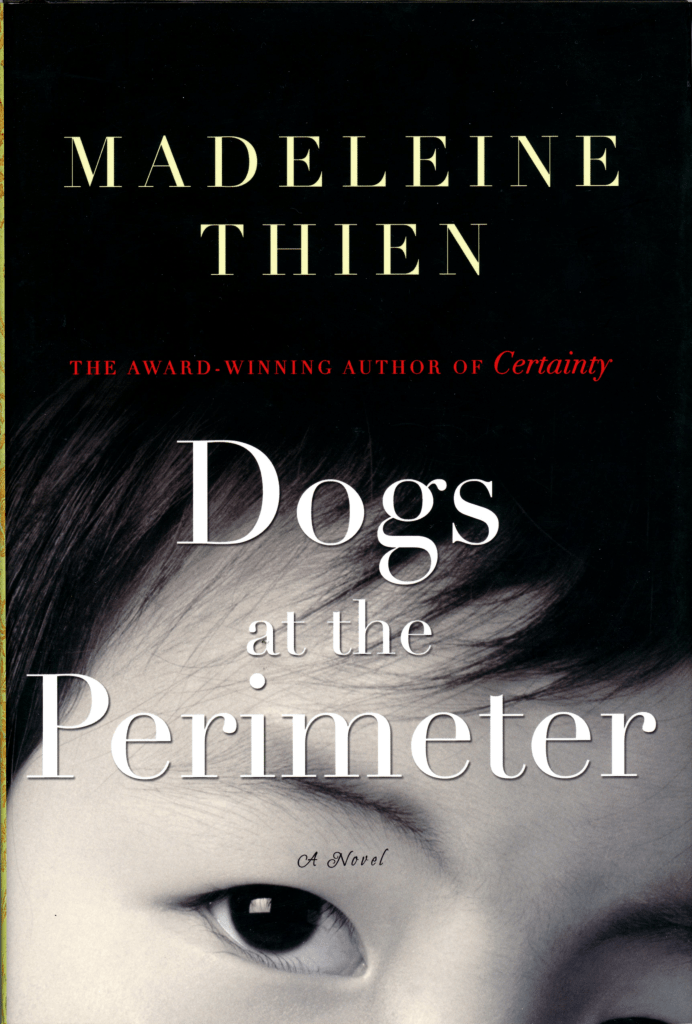

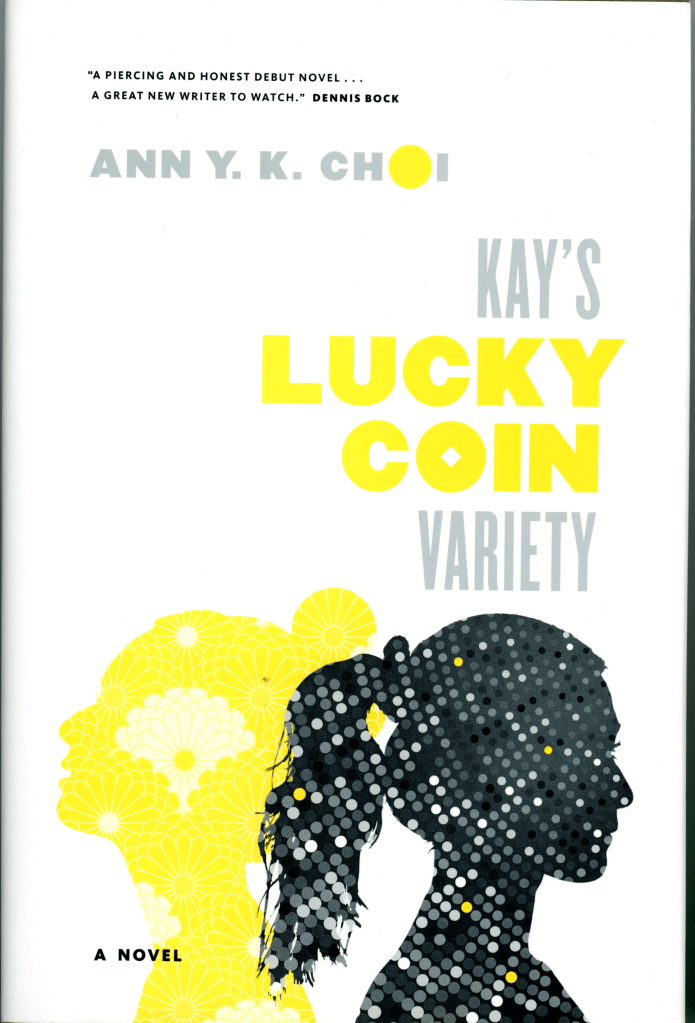

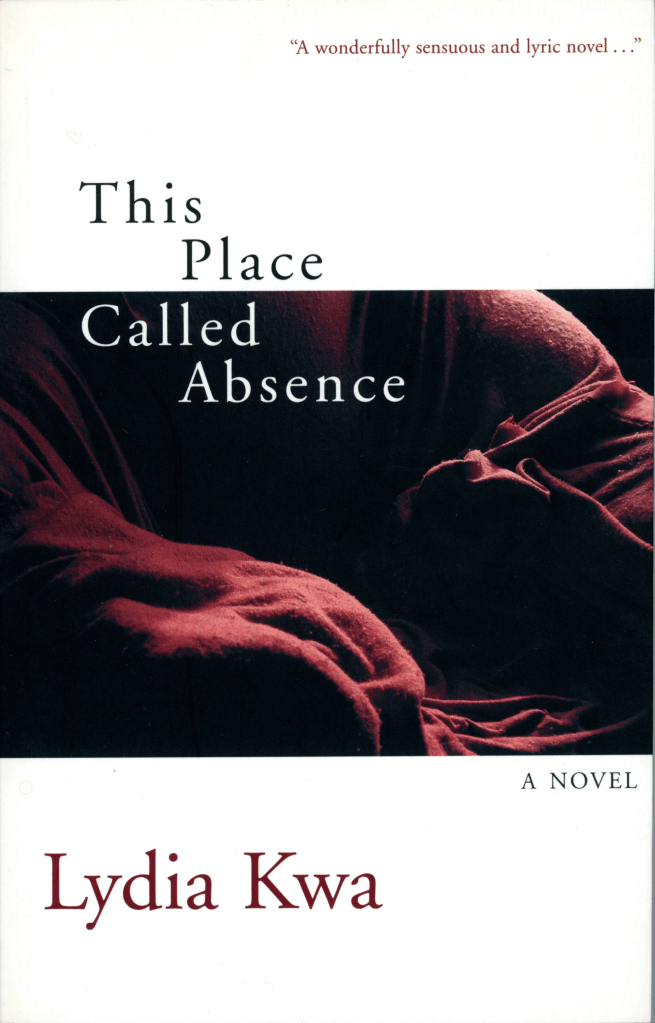
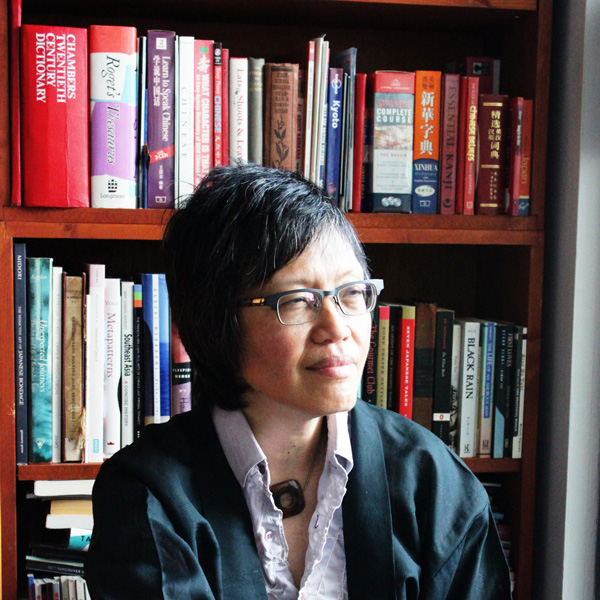
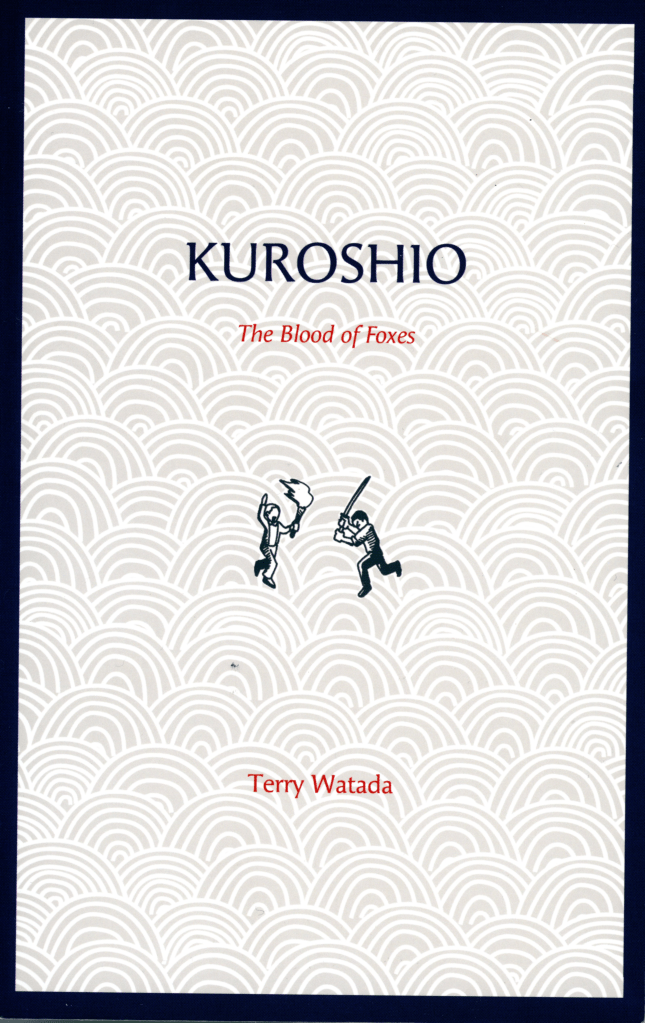

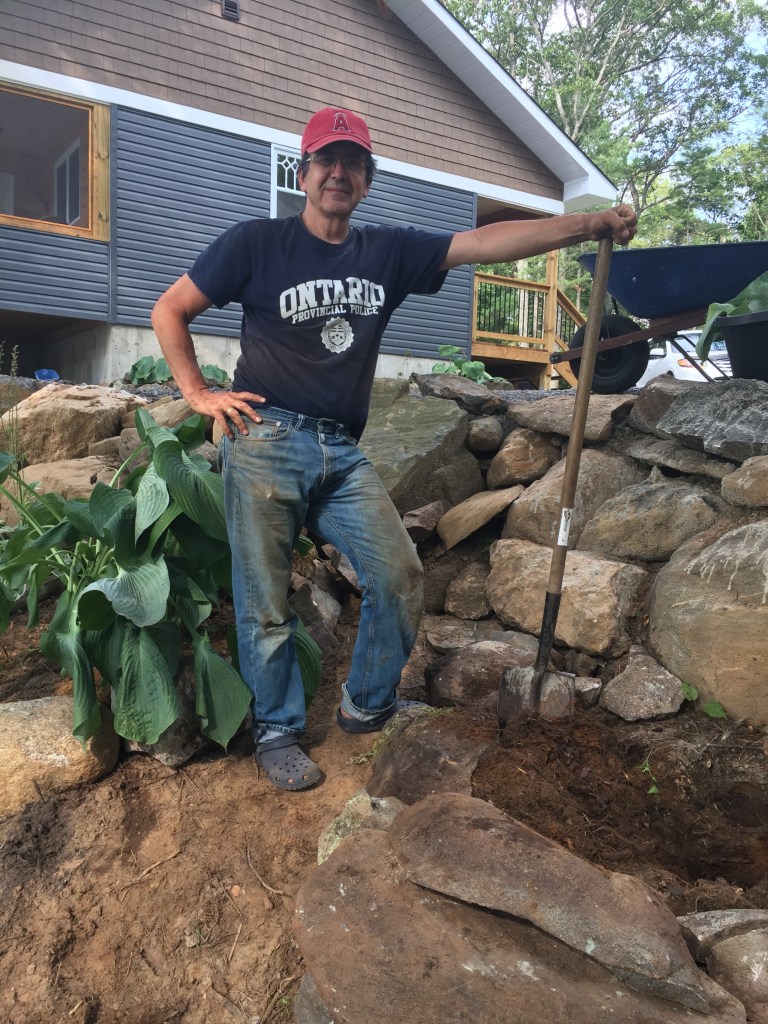
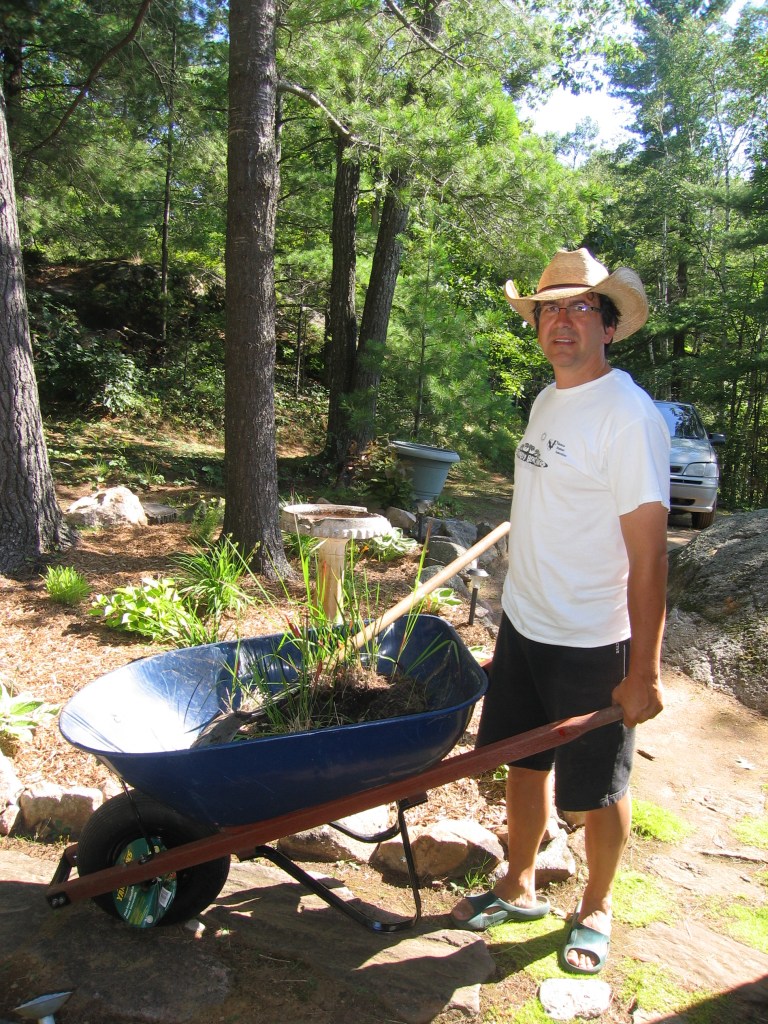
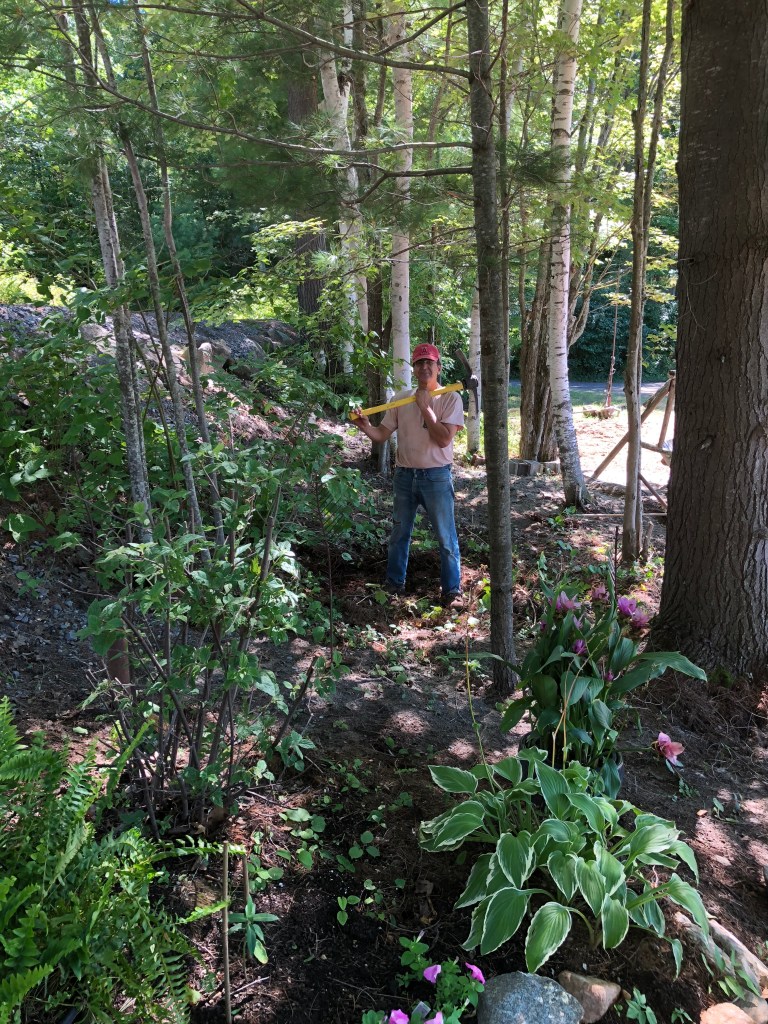
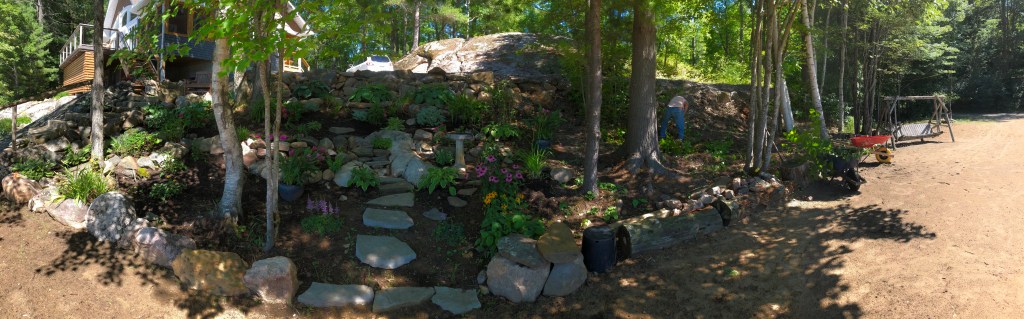
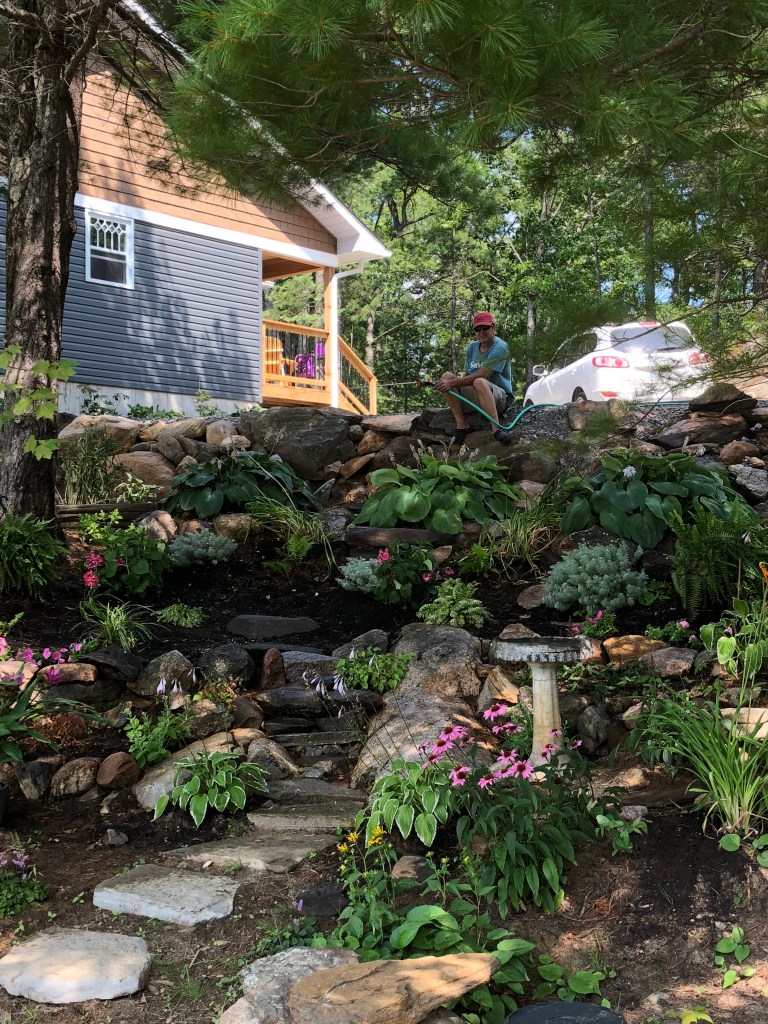
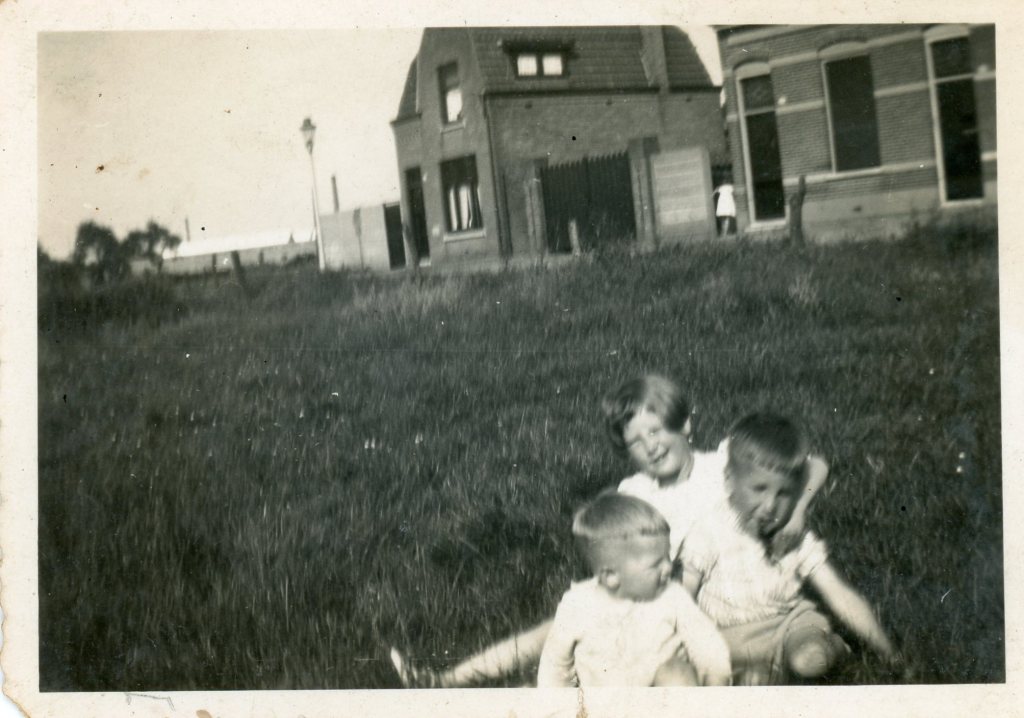
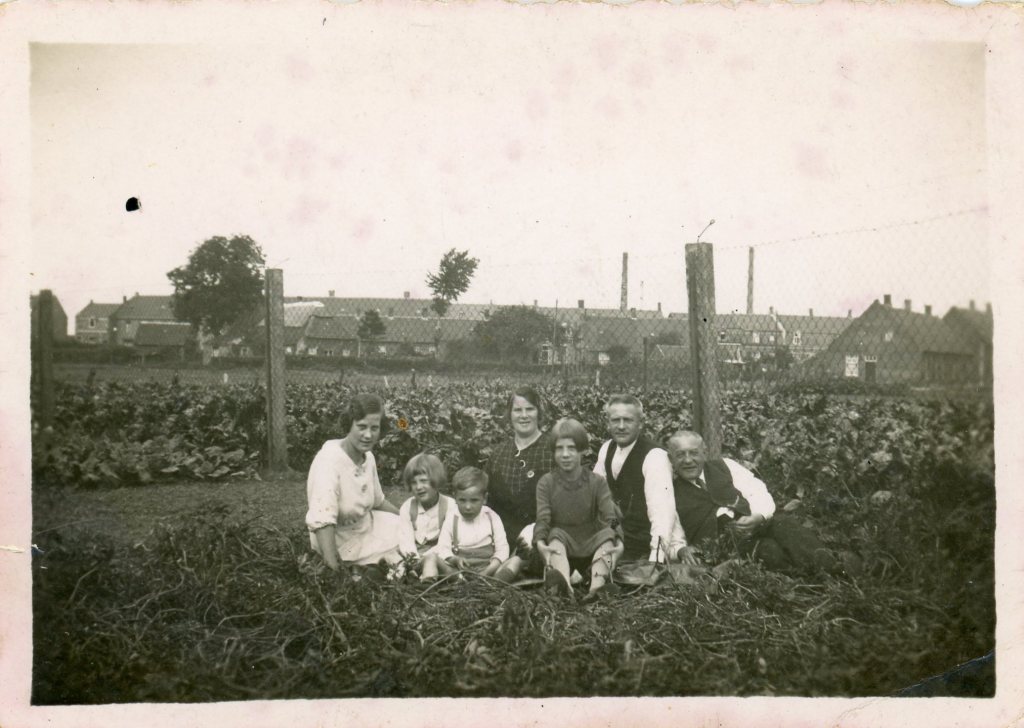
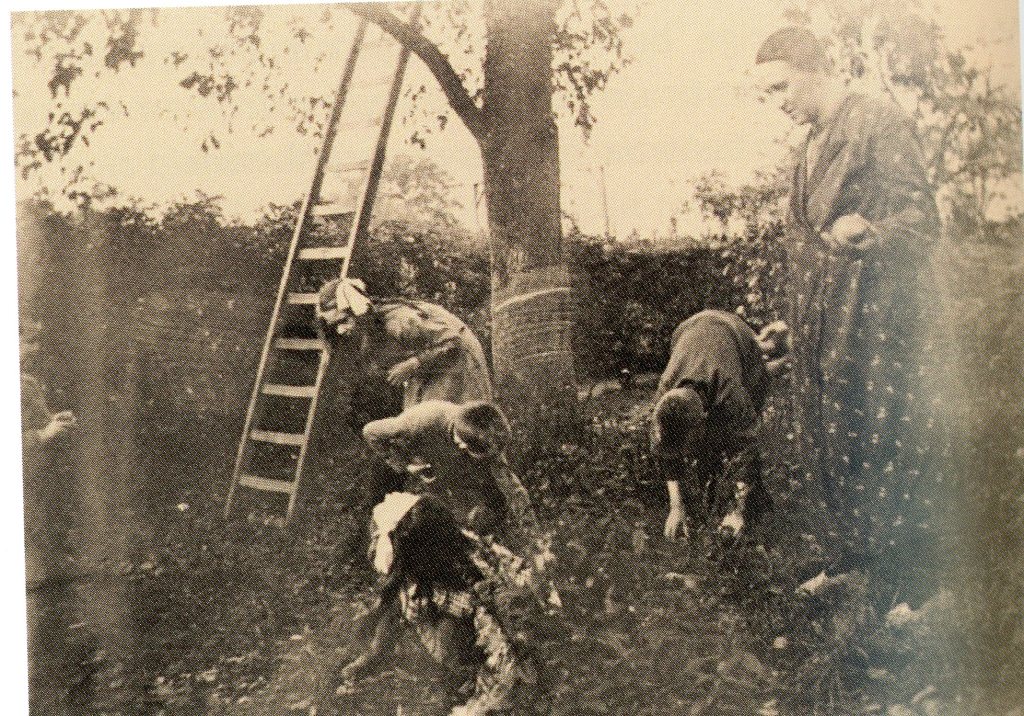
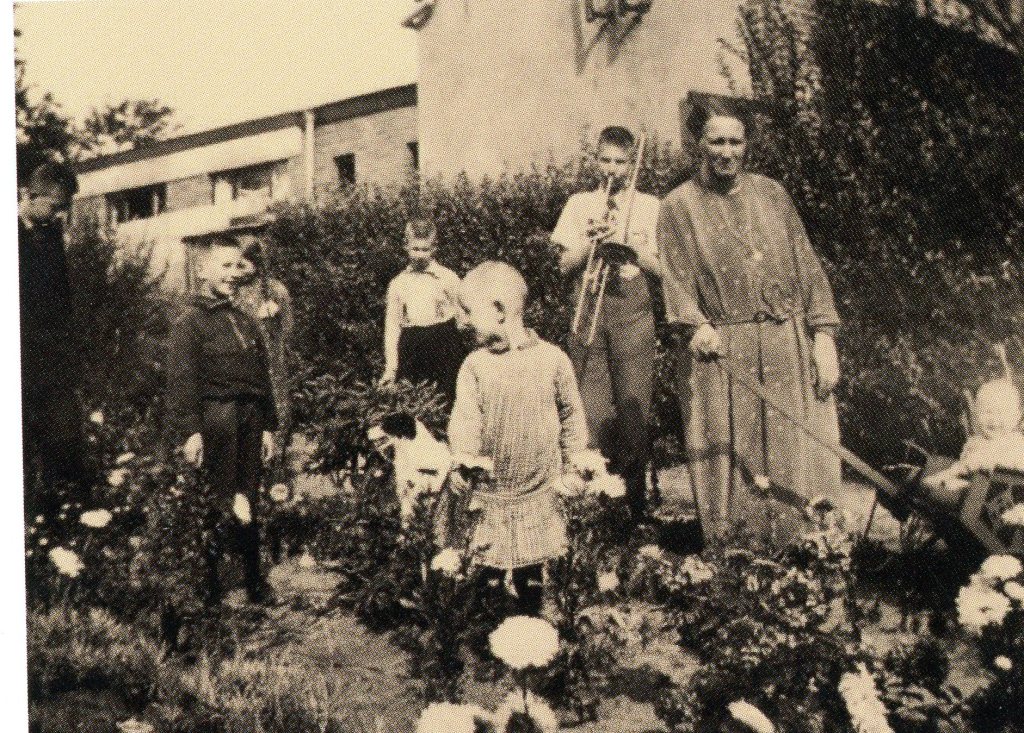
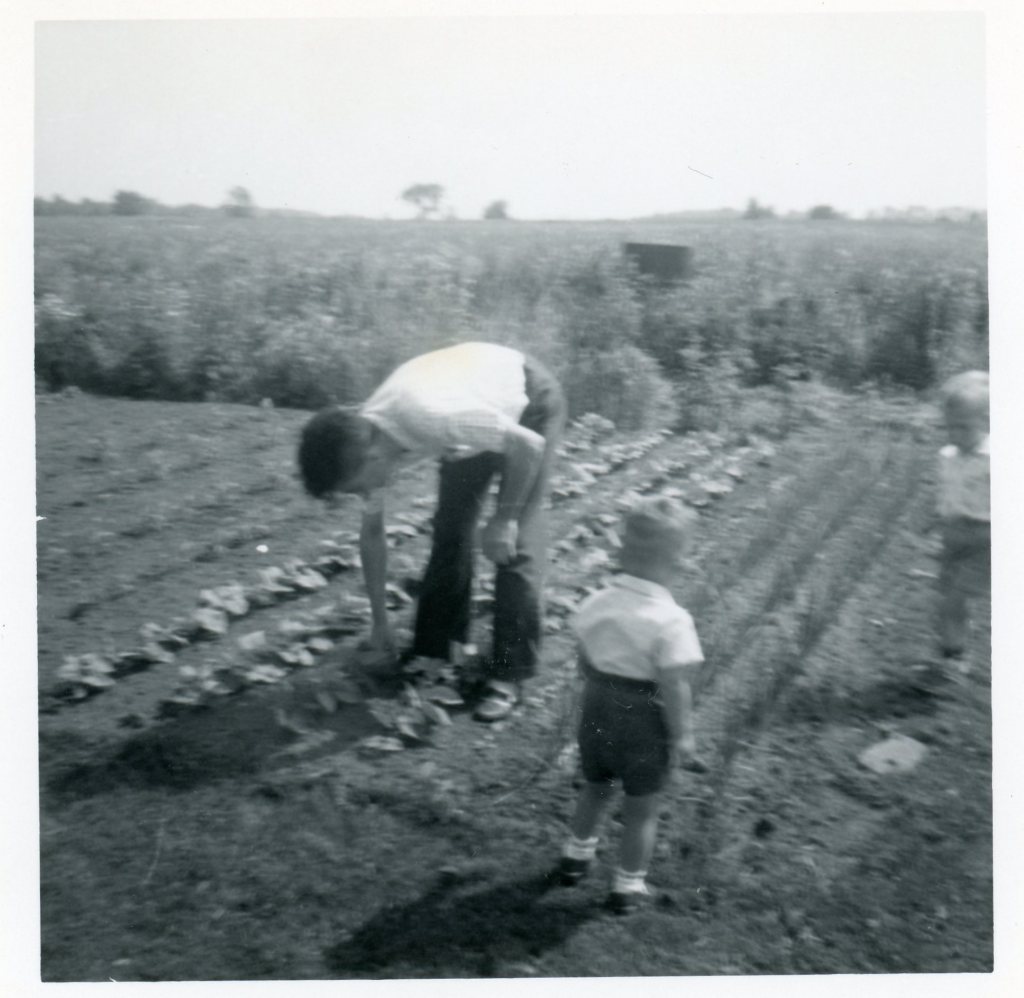

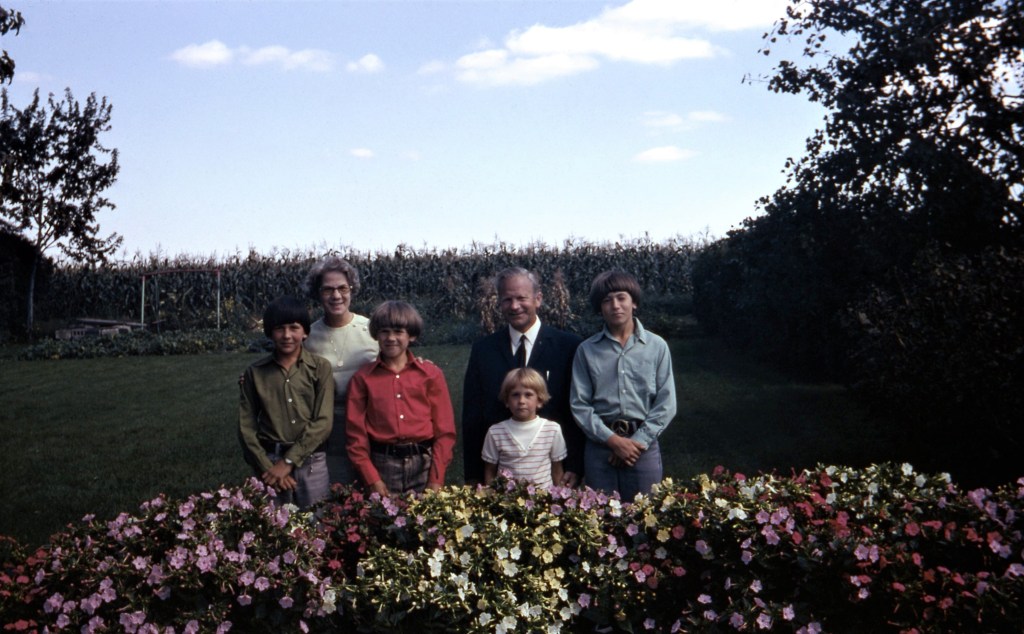
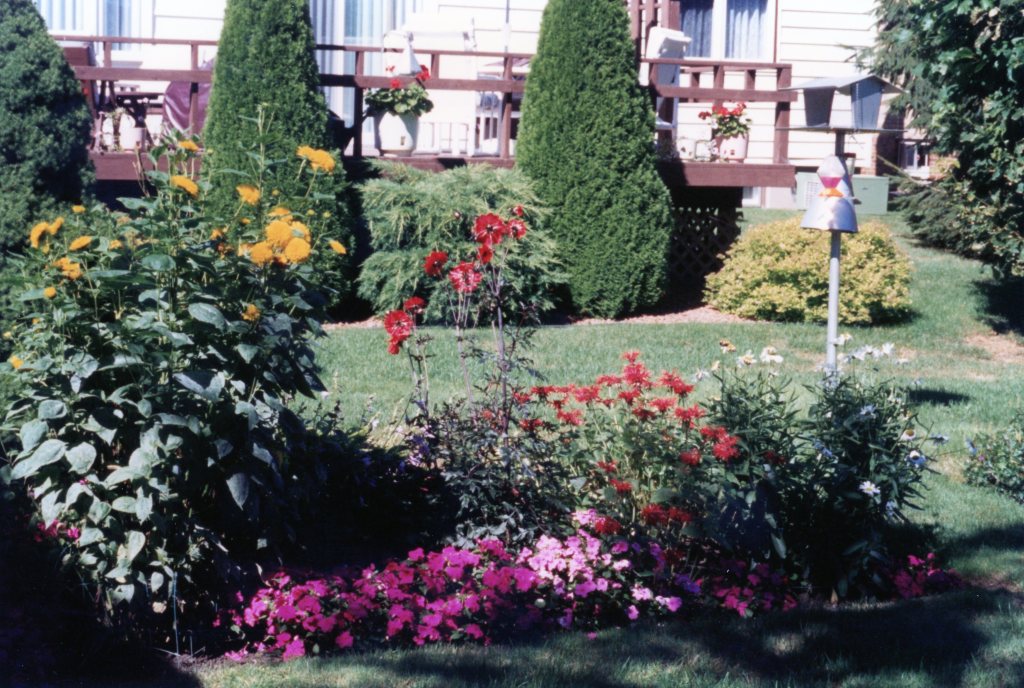
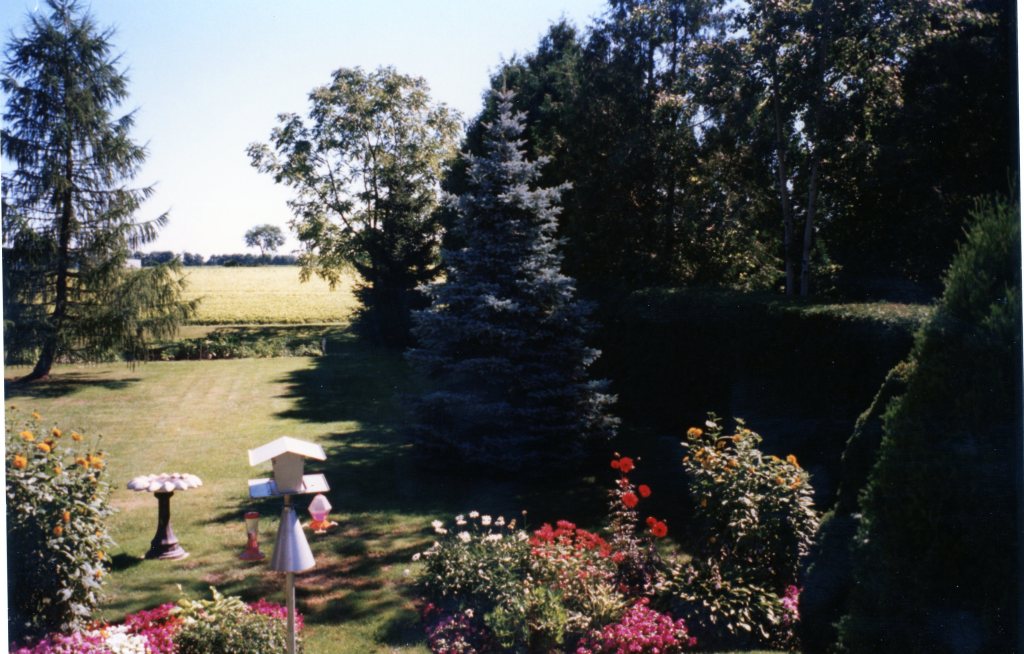
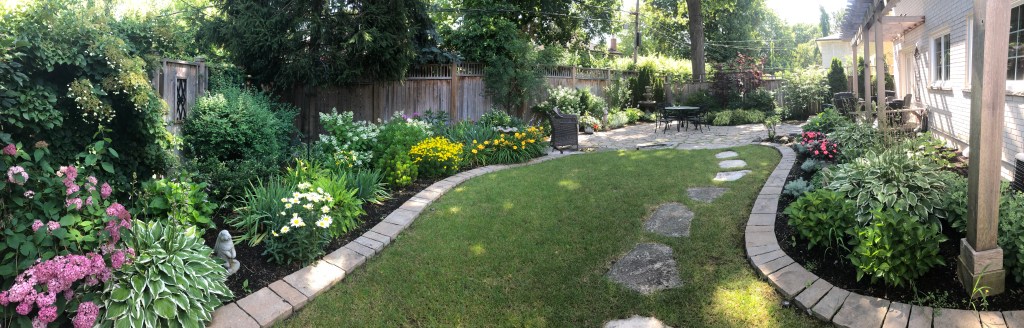
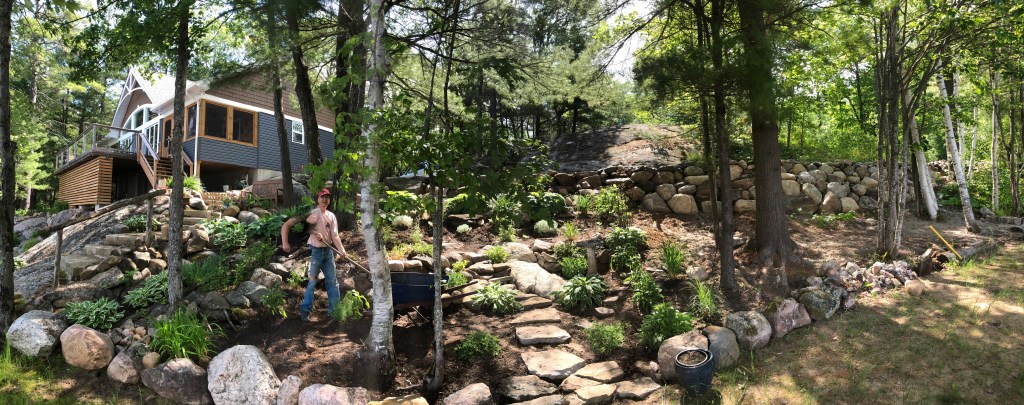
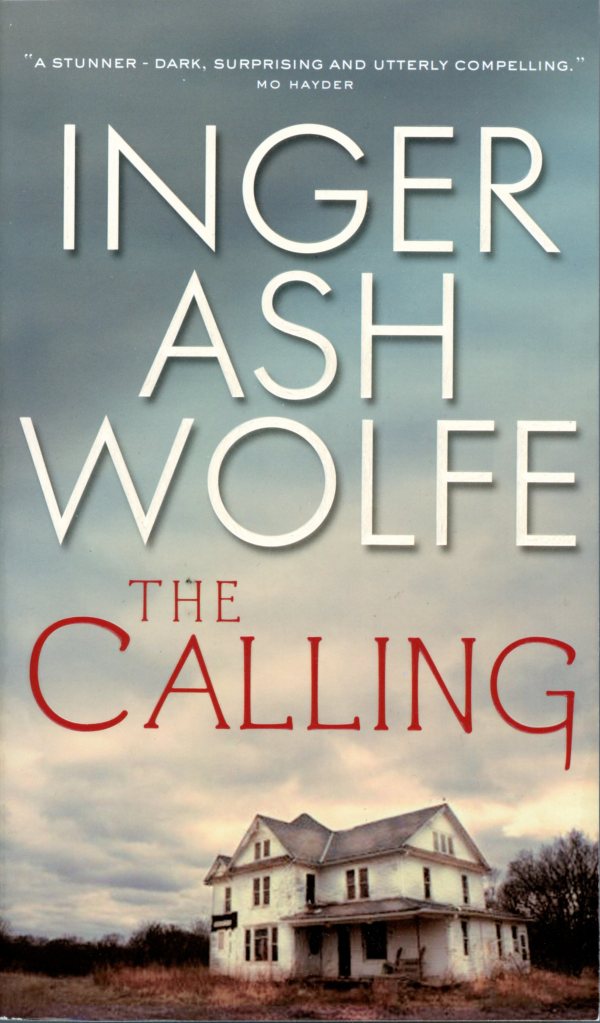

 Wonderings