I expect when Mom and Dad immigrated to Canada in 1958, their grasp of English would have been quite limited. Sure, they had learned some very elementary words years earlier in grade school, mandatory language lessons along with German and French. They may have even picked up a few classes in preparation for their flight across the Atlantic. In reality, however, their knowledge would have been scant. And like many immigrants, their early years were spent largely within the Dutch community, friends and employers.
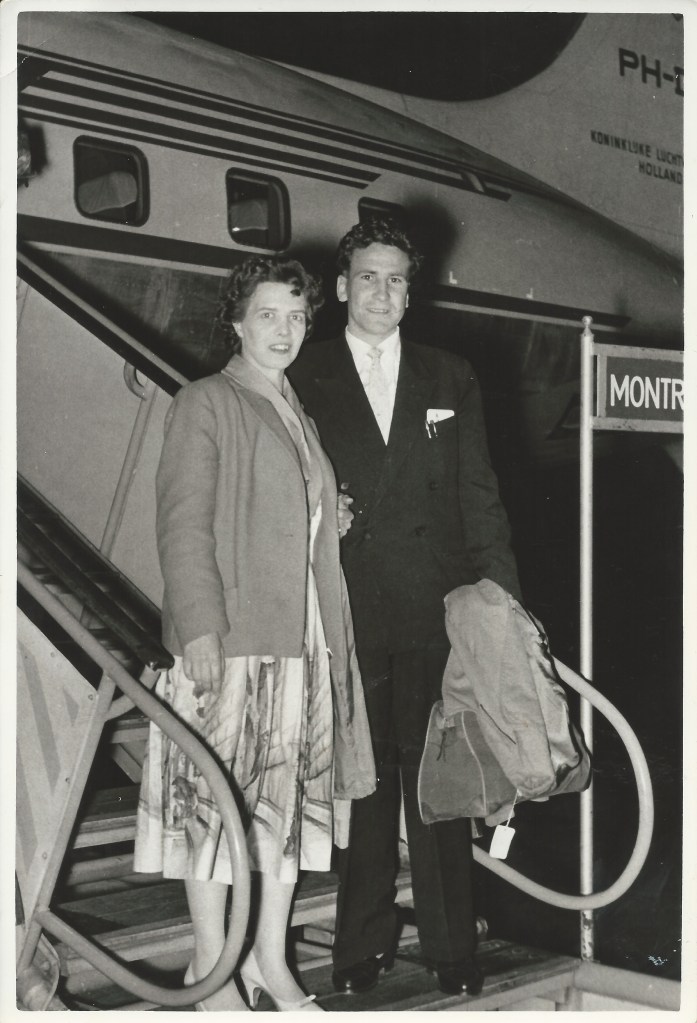
When Dad began working at Kelco and the family moved to Kostis Avenue, the need to speak English became more pronounced. There is evidence of both enrolling in ESL classes at Clarke Road Secondary school which helped. Dad working in an English speaking environment forced a growing vocabulary. Mom on the other hand was a stay-at-home spouse with three children under the age of four, the last child arriving several years later. Her world was smaller, the opportunity to hear and practice English were few. Mom would need to acquire the language through radio and TV and the newspaper. She subscribed to Readers Digest, purchased a dictionary, and would complete the crossword puzzle in the London Free Press every day. She was a determined woman, a proud woman, a woman not to be deterred by the circumstances. At some point, Mom purchased the game of Scrabble.
Second only to Rikken, a popular Dutch card past time, Scrabble was her board game of choice. She attempted to engage Dad, but he did not have the patience to mount a real challenge. Mom would be frustrated by his lack of strategy, putting down words without any thought to the board. She would often play herself, picking tiles for two people, akin to a chess champion moving pieces from both sides of the board. I became her most willing and competitive match. She actively sought to engage me in a game for the spirited contest and the opportunity to improve.
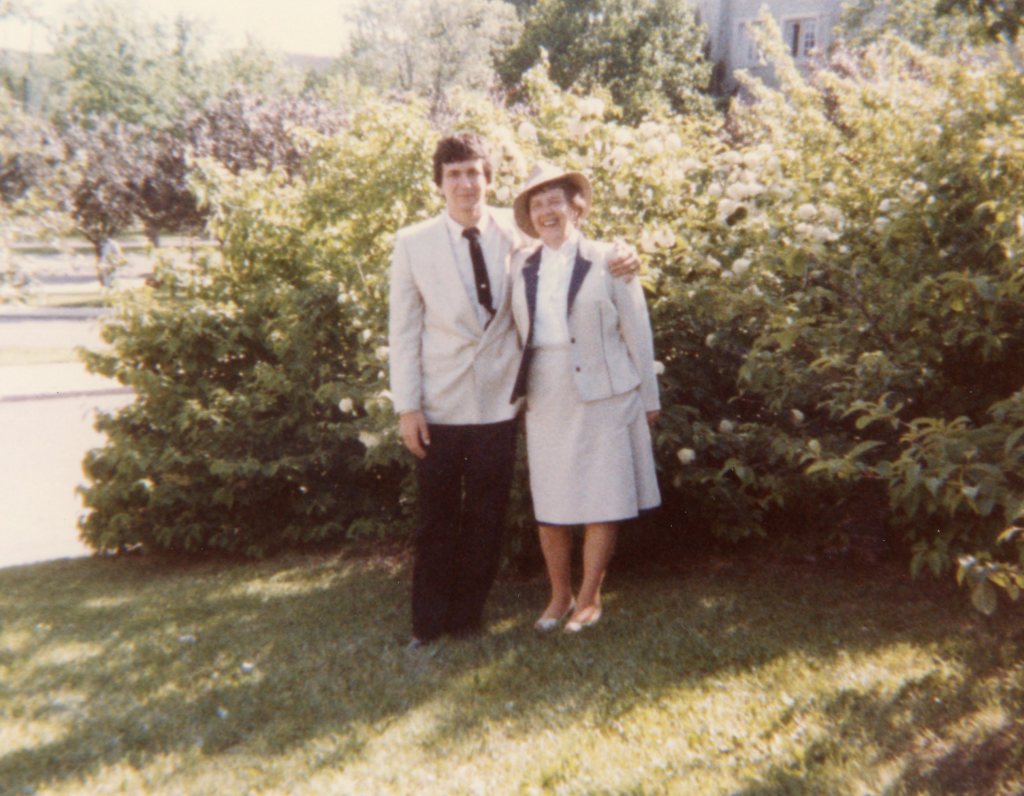
Under official Scrabble rules, each player places a word on the board from the seven tiles selected blindly, connecting with the existing configuration. If the new word is questioned for the spelling or its existence, the dictionary is consulted as the arbiter. If the challenge is upheld, the perpetrator loses the points and the turn. Mom never played by these rules. For her, the dictionary was a tool to be consulted in a player’s attempt to maximize their score or complete their turn. Every person was encouraged to utilize the dictionary for the benefit of moving the game along, cleverly filling sections or opening up new ones. The dictionary was a tool for the benefit of the game, not a judgement on vocabulary. Over the years, Mom became the champion of the two letter words, even discovering the word, “qi”, which is the only combination with a “Q” not requiring a “U”. Look it up.
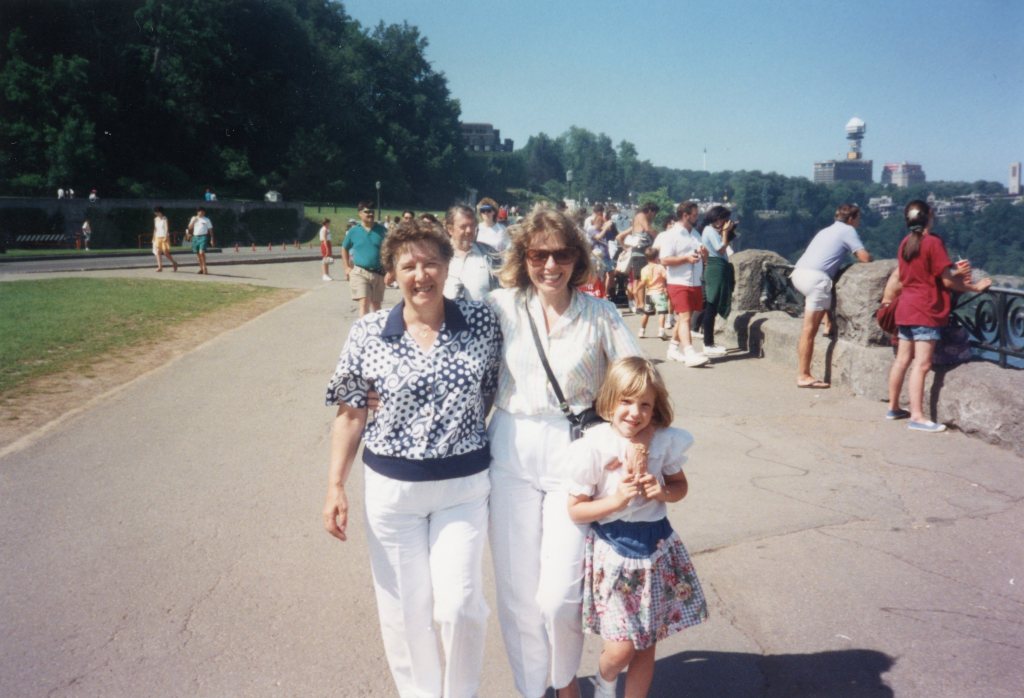
I would win the games in the beginning, my own competitive juices figuring out how to take advantage of the triple word or triple letter squares, less concerned with finding words within my tiles but finding spots on the board to accumulate points. Mom taught me that strategy. And I utilized the dictionary often, adding to my language advantage; nevertheless, she kept insisting on another game. Mom would win a game once in a while, a shot of encouragement. Eventually she would be successful more often, regularly emerging as victor. Yet Mom was a gracious player at the same time. modestly noting you need to have the letters regardless of how skilled, and explaining there is a bit of luck involved. When Olga began participating, Mom was generous in her support. Olga did not grow up with games in her house and consequently lacked the competitive zeal or strategy to score big points. Mom would often look at Olga’s tiles to suggest alternatives even to her own disadvantage. She wanted every participant to be within reach of a victory. Mom wanted a good game for everyone.
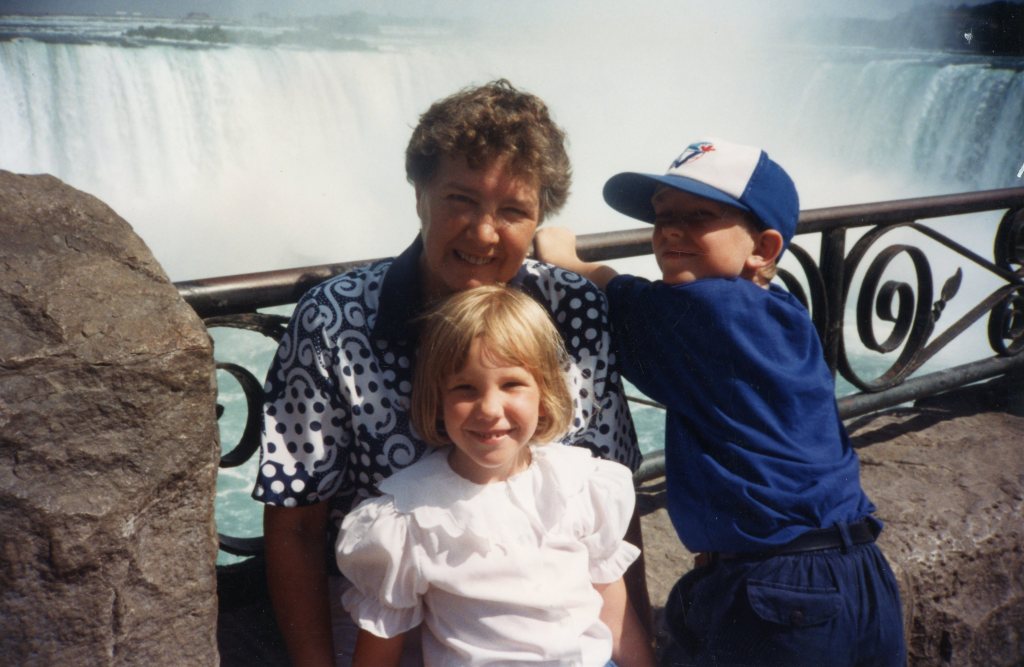
I think about Scrabble today and all that it represented in my Mom because it is the 20th anniversary of her untimely death. Scrabble has become the game of choice for Olga and myself. We remember Mom fondly for her quirks and generosity, her fierce thirst for learning, her love of family, and devotion to her children and to her children’s children. Her soul lives in both of us.

 Wonderings
Eternal memory.
LikeLike
Hats off to your mother! My son and his family moved to Norway a few years ago and now my eldest granddaughter is in her second year of university – studying in Norwegian! I love the game of Scrabble and occasionally play with a friend as my husband has neither the patience for, nor the inclination to, playing word games.
LikeLiked by 1 person
I loved playing Scrabble with Oma, and she of course inspired me to ask for dictionaries for Christmas one year which of course she bought for me.
LikeLike