My father passed on to me several small possessions of my Uncle, Fr. Kees de Cock who died in 1981. I received his reading glasses, his pipe, two prayer books and his crucifix, all showing loving wear. In a 2017 family pilgrimage, I visited the Kamuli church where Fr. de Cock, a Mill Hill missionary in Uganda since 1947, was the parish priest until his death, I decided to include the small, metal crucifix in my luggage for the trip. I was traveling light with one carry-on suitcase and one personal computer bag because there would be several airplane changes and I did not want to tempt fate with checked baggage. As my items rolled through the scanner at Pearson Airport in Toronto, my hand bag was pulled aside for additional scrutiny.
“Do you have anything sharp in your bag?”, to which I answered no as the border security rifled through it to pull out the cross.
“And what is this?”
I responded with the obvious. He observed it carefully, rubbed his fingers along the edges before departing to consult with his supervisor. He returned, satisfied it did not pose a threat and let it continue. Curiously, I passed through metal scanners in Kampala, Kigali and Dar es Salaam without any issues. I won’t risk having the crucifix confiscated on our Camino Primitivo trip. Instead, I will carry two wooden works of art from Italy.
During a meandering stroll of the streets of Assisi in May, Olga and I stumbled upon the Chiesa Santa Maria delle Rose advertising MARIA, a permanent art display. Inside was an altar like structure with 33 glass tubes, 10 feet in height, lighted, sitting in an Omega shaped planter of local soil, illuminating wooden shapes of a Maria sculpture, topped by an Alpha pergola, .

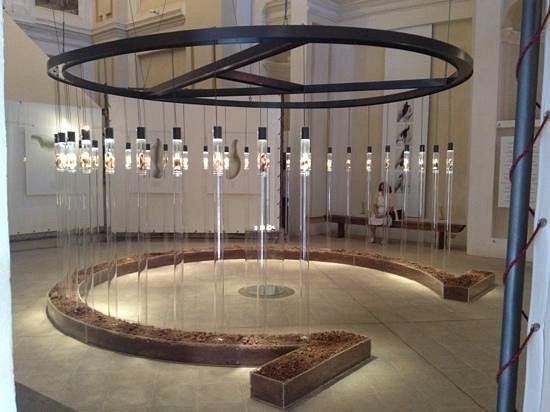
The artist, Guido Dettoni della Grazia, creates tactile sculptures inviting people to interact with his works. At the center of MARIA stood a plinth with several larger versions of the statue molded in white ceramic enabling visitors to touch and feel and hold. We were astounded by the beauty and solemnity of the installation.
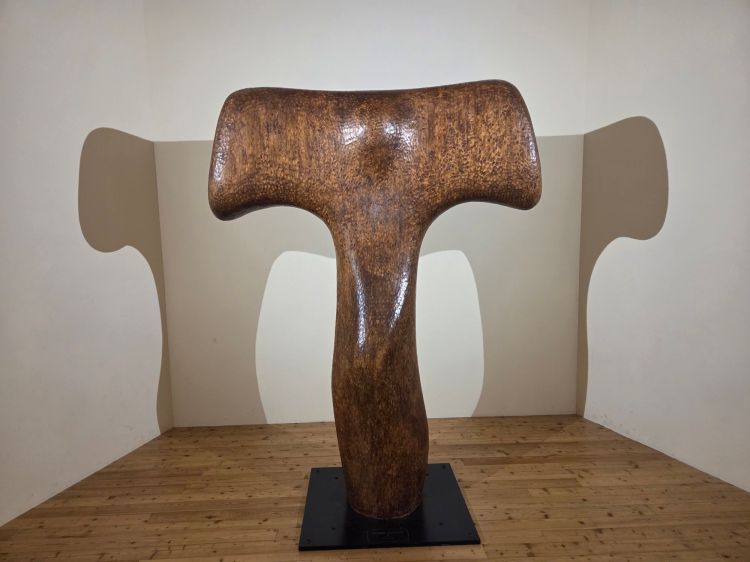
Behind the display was another large piece, a Tau, completely wooden, life size, with molded body features, intended to be hugged. The last letter of the Greek alphabet, it’s shape has been shown in early paintings as the cross on which Jesus was crucified. The Tau became the signature of St. Francis of Assisi and the symbol of the St. Francis Way. For the Franciscan order, the posture that forms the Tau shows openness to the needs of others, that all are loved and welcome. It was stunning. And yes, we did hug it.
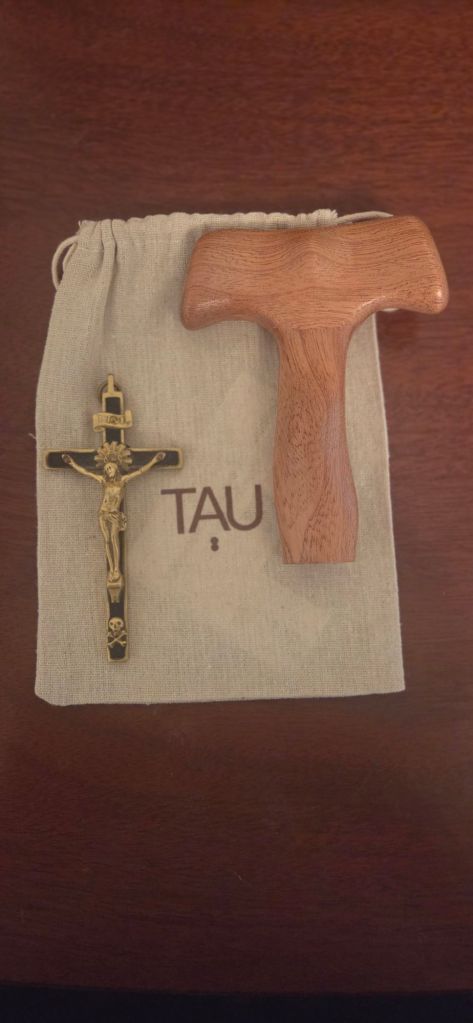
The young woman hosting the exhibit explained the significance and offered pieces for purchase. Maria was available in different sizes although it was intended to meld into your hand as a contemplative instrument. We were encouraged to fold our right hand around an array of Maria sculptures in the wood of our choice assessing the fit before selecting the one most comfortable. Olga picked a piece made from an olive tree; mine is shaped from African wood. Maria immediately found a home in my right hand pocket, replacing my knife. which was relocated to my left side. I reach in and hold the tiny sculpture in moments of stillness. We also purchased a Tau to accompany our journey. A chance discovery transformed into one of my more memorable moments of our Italian trip and produced two valuable artefacts for our impending walk of the Camino Primitivo.
King Alfonso II was the first to walk the Camino route in the early 9th Century traveling to Santiago to confirm the bones laid there were that of St. James. The construction of a Romanesque cathedral over the burial site, beginning in 1078, helped grow the Camino into one of the three important pilgrimages for Catholics. Now more than a religious road, 500,000 people in 2024 walked the four different versions of the Camino for varying reasons: a religious trek, a hiking challenge, a nature tourism walk, a cultural experience, a journey of self-discovery. In the Hollywood movie, The Way, and in a subsequent documentary, Walking the Camino, the question of individual purpose for walking is a dominant theme. My answer might be a somewhat flippant, “because Olga is going”. In truth, I feel a pull, an inner sense, an intuitive appeal of the religious and historical significance of the St. James Way.

I have been reading and listening these last several weeks to Father Richard Rohr, a Franciscan priest based in New Mexico. His interpretation of the Old and New Testament amounts to what I would describe as humanistic Catholicism, a faith emphasizing humility, inclusion and service, a perspective which resonates with my view of the world and of spirituality. Relevant here is Fr. Rohr’s discussion on contemplation and transformation in his book, The Universal Christ. He spoke of learning some acts of contemplation in the practice of a “meditation” or any “prayer of quiet”, a form of inner silence, to help transform our dualistic mind to one of unity. The practice does not necessarily or exclusively require stillness. It can also involve some aspect of walking, particularly with nature, or an element of action, two modes which suit my personal preferences. The Camino Primitivo is 320 kilometres and 15 days of mountains and valleys, towns and countryside, walking and reflection; a time for inner silence.
“Everyone has a reason to walk the Path, but everyone lives a unique journey. Enjoy.
Just go.” 1
The Tau in my backpack, Maria in my pocket, Olga at my side. Buen Camino.
So on, and on I go, the seconds tick the time out
So much left to know, and I’m on the road to find out
And I found my head one day
When I wasn’t even trying
And here I have to say
Cause there is no use in lying, lying
Yes the answer lies within
So why not take a look now
Kick out the devils sin
Pickup, pickup a good book now
Cat Stevens

1 Camino Primitivo Facebook site, August 12, Canevo Cavanah Filho

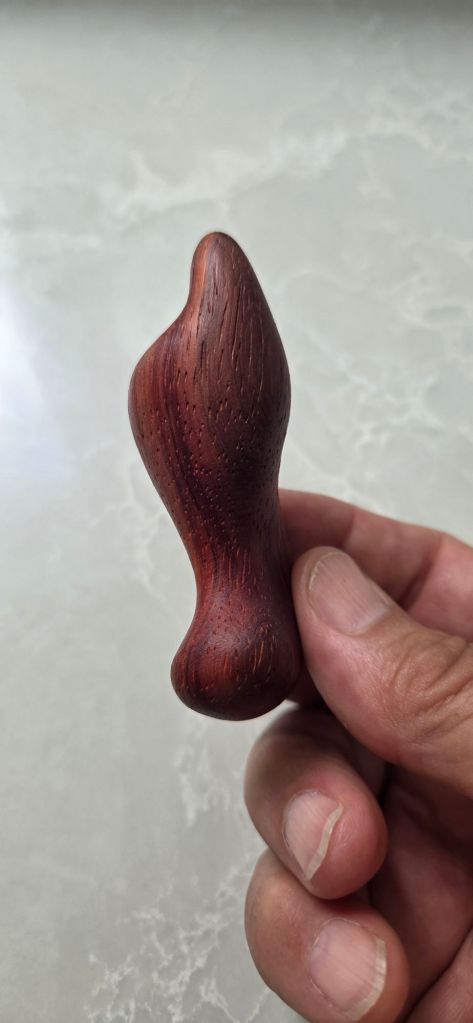
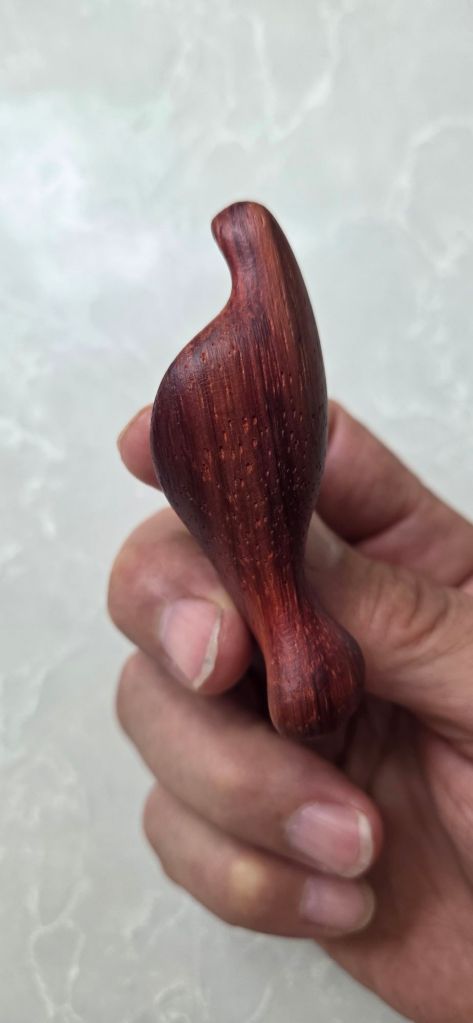
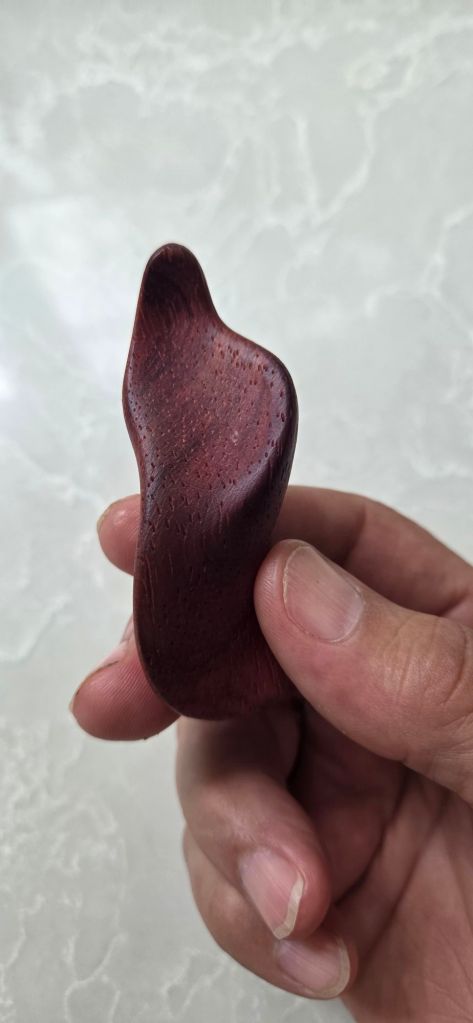
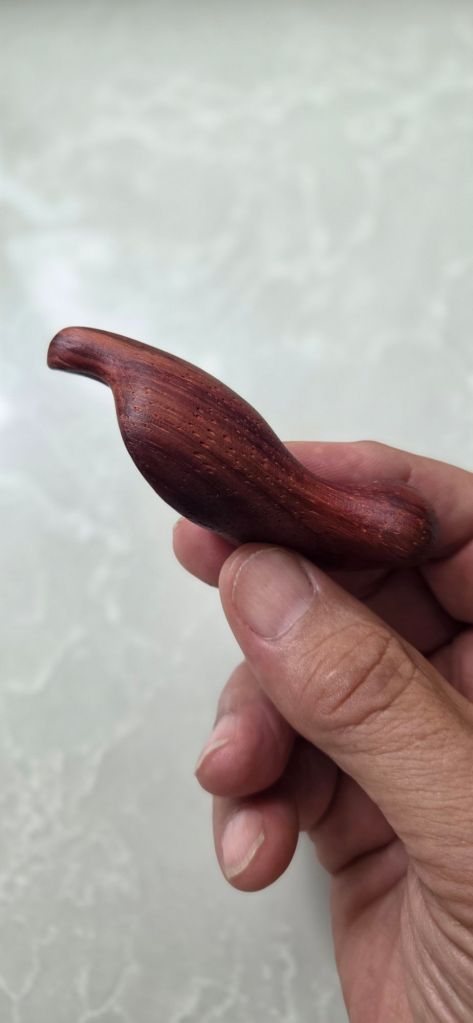
The picture of Maria changes with each perspective. From left to right: Mary praying; carrying a water jug as seen from behind; side view of a pregnant Mary; front view of Mary holding the child; dove of peace; Maria nestled in my hand.
 Wonderings
Love it. Love it. Love it.
Bring tea for the Tillermanhttps://genius.com/12359162/Cat-stevens-tea-for-the-tillerman/Tillerman
Steak for the Sunhttps://genius.com/13783324/Cat-stevens-tea-for-the-tillerman/Steak-for-the-sun
Wine for the woman who made the rain come
Seagulls sing your hearts away
’Cause while the sinners sin
The children playhttps://genius.com/28563606/Cat-stevens-tea-for-the-tillerman/The-children-play
Oh Lord, how they play and play
For that happy day
For that happy day
Bohdan Kordan, PhD
Professor Emeritus, Political Studies
St. Thomas More College l University of Saskatchewan
1437 College Drive l Saskatoon, SK l S7N 0W6
LikeLiked by 1 person